A quick shopping trip to Arlon or Messancy could soon become more expensive for Luxembourg residents. Belgium is planning to introduce a digital road toll for cars and light vehicles using its main road network, with an annual cost expected to fall between €90 and €125.
However, the proposal is not yet final: it still requires approval from the parliaments of Belgium's three regions, and questions remain about its compatibility with European Union law.
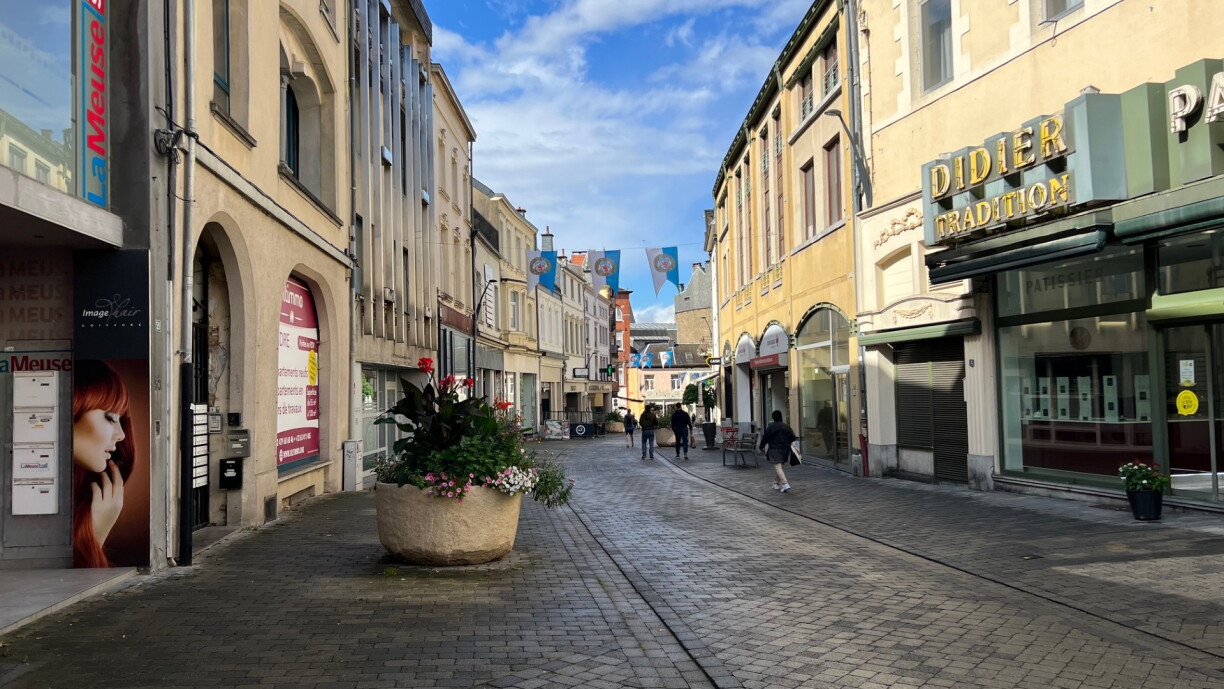
In Arlon's main shopping street, cars with Luxembourg number plates are a common sight, with cross-border customers playing a crucial role for many local businesses.
Olivier Meunier, a jeweller and vice president of Arlon's business association, is sceptical about the proposed vignette. He contends that a new tax is difficult to accept, because it is always a deterrent for people who might want to visit.
At the same time, Meunier points out that nothing has been decided yet, as various legislative hurdles remain. For him, it is also a matter of principle, as he explains that for years, the focus was on keeping borders open in Europe to facilitate freedom of movement. He compares the situation now to "putting a small border back between different countries".
Meunier hopes the project will ultimately be scrapped, much like the German motorway toll model, which was blocked by the European Court of Justice in 2019.


Some 10 kilometres down the road, at Designer Outlet Luxembourg in Messancy, the mood remains calm. For centre manager Amélie Resibois, it is too early to draw conclusions.
She emphasises that their real concern is that they are truly in a cross-border region. Given that the area relies heavily on customers from Luxembourg, France, and Belgium, many details still need clarification, Resibois said.
If the toll is introduced, the outlet would adapt its marketing strategy to remain attractive, she explained. For now, however, there is no reason to panic, she said.
Resibois explained further that at this stage, no one is really worried, since everyone is waiting for the actual implementation and the final conditions.
Some shop employees, however, are more concerned. They worry that the toll might discourage customers from making spontaneous cross-border shopping trips.
One sales assistant commented that the toll does have a cost, and people do not necessarily have the budget for it. Another staff member suggested that some shoppers might instead choose to shop in Luxembourg or France, rather than coming to Messancy.
An additional concern raised by another employee is that cross-border commuters familiar with the region might switch to smaller side roads to avoid the toll, potentially resulting in more traffic in local villages.
There is also a direct impact on some staff themselves, particularly those who live in France and commute daily across the border to work in Belgium. For them, the toll could represent an additional financial burden.





