With temperatures below average and regular rainfall, the weather in July 2021 was not what anyone had hoped for. The bad weather even broke records for rainfall and caused serious flooding in Luxembourg.
Even before the floods, Henri Hansen, an employee of the water management authority, analysed the climatic situation at the beginning of the summer as unusual, with low temperatures. Usually, summer rains are more often heavy, but brief and localised. This year they were widespread and lasted several days.
When contacted to talk about the environmental benefits of this situation, Hansen made several important points. After the events, he added another, less beneficial, but one that shows the link between man and his environment. With the torrents pouring in, nature takes a big hit. The great energies that rip out the trees also destroy the riverbeds and take away the fish.
When the elements are unleashed, every organism suffers the consequences through the disruption of its environment.
In nature, you have to find the right balance, explains the expert. A phrase that encourages us to look on the bright side of events; vegetation, animals, everyone finds it beneficial to the current weather by avoiding stress linked to the droughts that have become more common in recent years.
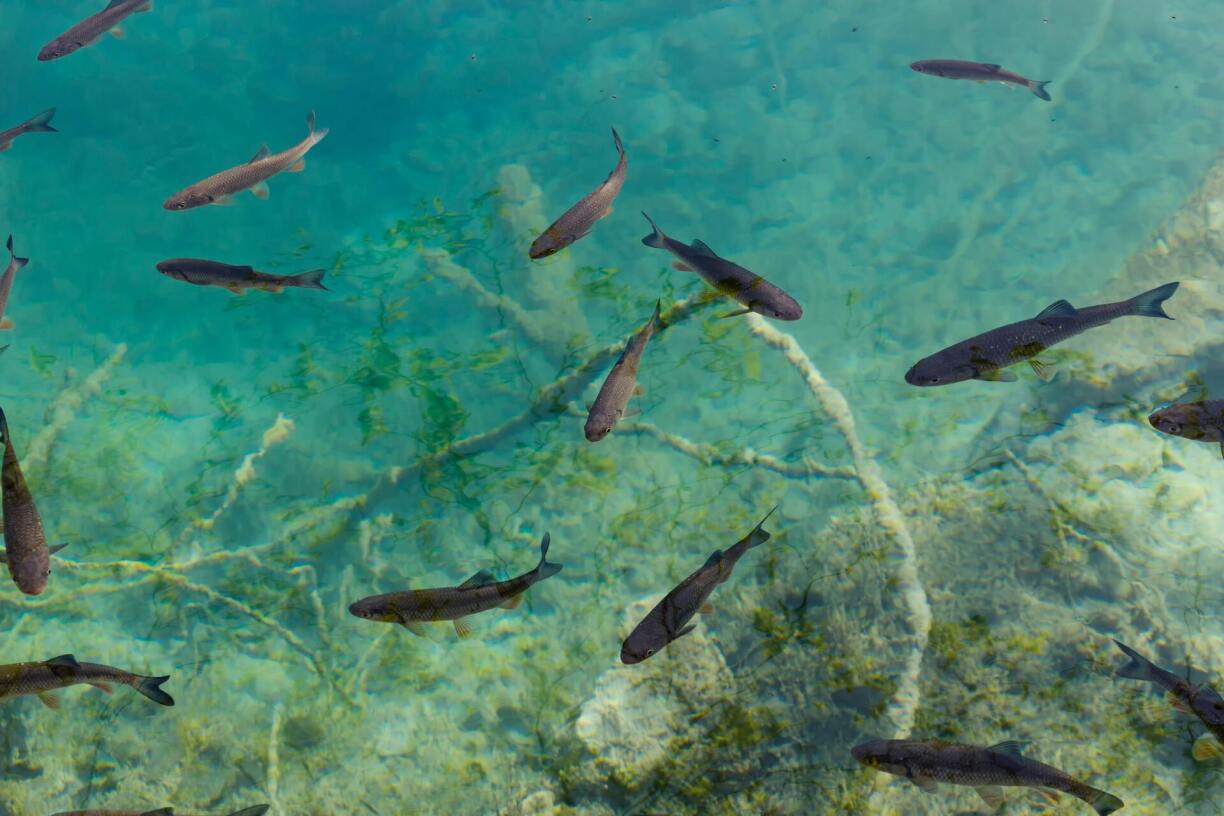
In summer, good rainfall and mild temperatures are beneficial for aquatic life. When rivers, lakes or ponds are too hot and too low, the animals lack air. More precisely, the oxygen level in the water decreases as the temperature rises.
Oxygen, which is necessary for organisms, is present in water in the form of oxygen molecules. They are either absorbed directly from the atmosphere, or they are the waste products of plant photosynthesis. The level of dissolved oxygen in water varies according to several criteria, including temperature.
When the water is warm, the dissolved oxygen decreases. The fish suffer, says Hansen. Even the slightest increase in temperature is important, as oxygen saturation decreases rapidly. In addition, when the sun is strong, the water levels in rivers and streams drop, which does not favour the flow of water and thus the direct absorption of molecules.
The increasingly hot and dry summers observed in recent years accentuate these phenomena. Low oxygen levels lead to stress for aquatic life, and some levels can even quickly lead to the death of large fish. This year, with this weather, the water levels are higher for the animals and the temperatures are low.
However, the benefit of the current rainfall for the water tables is not immediate. It is not today's rainfall that goes into the aquifers, explains Hansen. He then describes a process that, depending on the season, leads to a good 'recharge' of the groundwater.
To simplify, in normal times, spring rainfall, which arrives on soil that is already wet, is mainly consumed by vegetation until the beginning of summer. The hottest season is often the least rainy. When the summer is dry, the vegetation consumes all the water and often runs out. And even if there are thunderstorms, the showers run off the soil without penetrating it well. In autumn, the flora gradually goes dormant until winter, when the plants are dormant and the water tables are recharged.
This year, the water management expert believes that the July rains will help recharge the groundwater. Combined with low temperatures, they feed the plants and moisten the soil, which then becomes a reserve. At the moment, the vegetation has everything it needs.
Hansen adds that, if it rains in August and September as well, the autumn rains won't need to wet the soil, allowing for a good recharge of the water table this autumn. During the busiest months, as much of the precious liquid as possible can easily seep into the lower layers of the soil. Under the roots, out of reach of the thirsty trees, the water will be stored in the water table.
Another benefit of this summer's weather is that water consumption by Luxembourgers is down. With rain and temperatures that do not peak at over 30°, people are taking fewer showers, not filling up inflatable pools and watering their gardens less. And this is a real gain for water resources. Especially since 50% of drinking water is taken from groundwater.
The rest comes from springs, which are also the source of water courses. So less water taken for human consumption also means more water for the aquatic environment. This leads to a better sharing of the same resource. Maintaining this balance is one of the tasks of the Luxembourg Water Management Administration. It manages the drinking water supply, which can be a source of stress. The country's infrastructure and its population draw on underground reserves that are limited by nature.
For all these reasons, Hansen believes that this unusual weather, without a heatwave, can be beneficial. In any case, it is hoped that the inconvenience will be offset by an opportunity for the environment to recharge. Vegetation, animals and residents could ultimately benefit.





