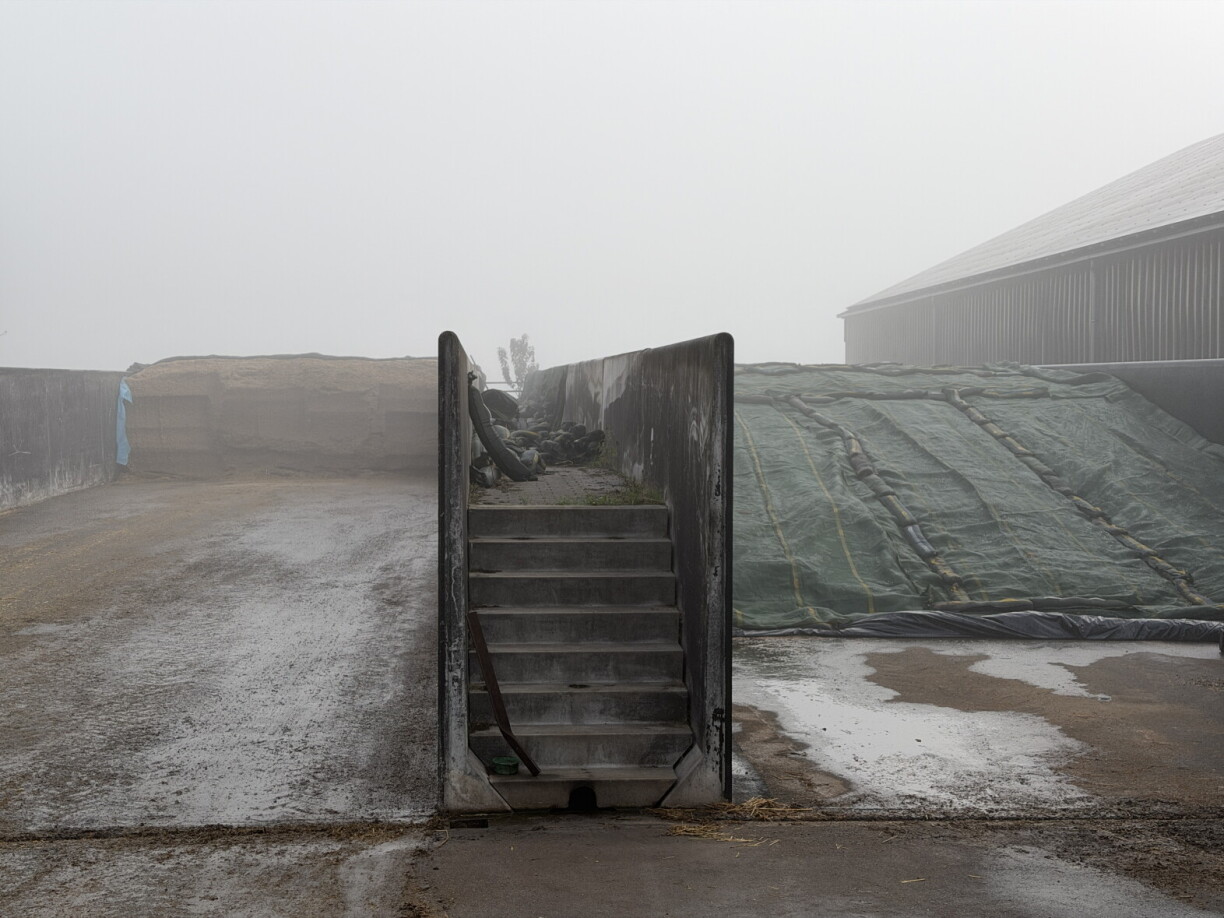
Fodder shortages are hitting Luxembourg's livestock sector hard this year, as drought conditions have severely reduced harvests. Christian Hahn, President of the Luxembourg Chamber of Agriculture, explains that many farmers have already used up a significant portion of their winter reserves to feed their animals.
At the same time, the cost of buying supplementary fodder has soared. Nonetheless, many farmers have no choice but to purchase additional fodder, especially if stocks from last year were already low, says Hahn. He notes that maize, for example, is approaching double last year’s price for those needing to buy feed.
The fodder shortage is having a direct impact on livestock numbers, with many farmers choosing to reduce their herds. While animals are usually sent to slaughter in autumn, as livestock are brought in from pasture and farmers need to manage space in the barns, this year, due to the fodder shortage, slaughter numbers rise by 20 to 25%, according to Hahn.
In the short term, some farmers are mixing more straw into the feed than usual to stretch out their dwindling reserves. Hahn says the priority in the coming weeks will be to make the basic forage last as long as possible.
With rainfall down by more than a third compared to long-term averages, the recurring idea of establishing large water reserves for agriculture has resurfaced. More than six years ago, pilot projects were discussed to create reservoirs across the country, especially to support the production of vegetables and fruit, but progress has stalled.
Hahn recognises the wider benefits of reserving water, such as during the major fires in the High Fens in Belgium and in Germany, where large water reserves could help to control the fires. Since rivers and streams are at record low levels this year, controlled releases from reservoirs could also help ease the situation. Hahn argues that from a global perspective, rethinking the approval process for these reservoirs could create a win-win situation for many sectors.
Hahn regrets that three or four applications for such reservoirs have been waiting six or seven years for ministerial approval, with no progress. He points to the Ministry of the Environment as the main obstacle in moving these projects forward.