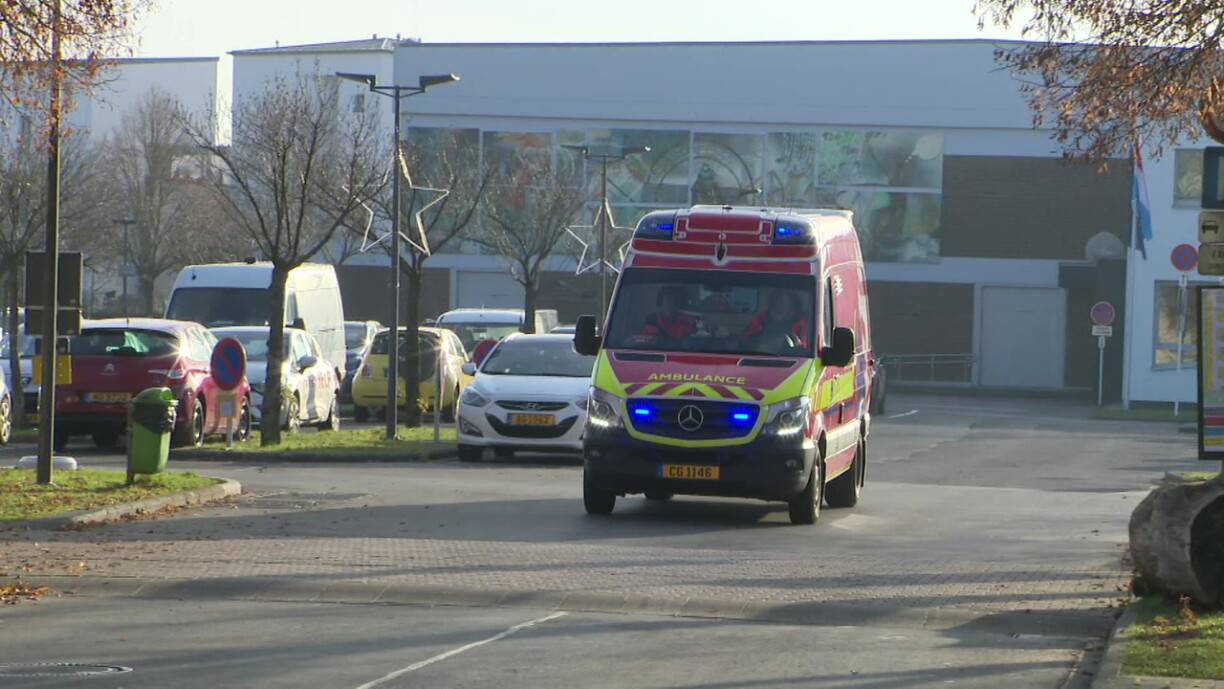
Even within the internal management, the belief is that CGDIS still has a lot of errors and inequalities.
The vice president of the firefighters federation, Carlo Birscheidt, wrote a foreword for the new year in the Lëtzebuerger Pompjee magazine. His message was rather critical, and CGDIS director Paul Schroeder conceded that much needs to be done before the corps becomes a well-oiled machine.
Both men, however, reacted differently to anonymous accusations of favouritism. Back to Birscheidt's criticism, he fundamentally believes the reform was implemented too quickly. According to the vice president, many aspects were not fully thought through or made to be comprehensive before being implemented.
Countering the accusation, Schroeder pointed out that there had never been a promise of the comprehensive reform at the time, adding instead that the reform focused on centralising the various corps. He did admit that the 'CGDIS Portail', the informatics system to manage permanent and on-duty corps, is not yet complete.
Another aspect of Birscheidt's criticism surrounds management's treatment of volunteers, pointing to an ever-widening gulf between volunteers and professional firefighters. In his eyes, it is a question of respect. Here, Schroeder admitted that a unitary compensation system has not yet been found, and that the new system organising grades has led to discontentment. He described it as a 'difficult compromise'.
RTL regularly receives critical messages sent in by people purporting to work in rescue services or be familiar with the system. One message reports that CGDIS is managed from Dudelange and that central management focuses only on the south and centre. The same person described northern and eastern services as being akin to 'stepchildren.'
Birscheidt said he does not want to comment on the matter, as that could cause more issues in the long run. Schroeder, on the other hand, dismissed all such accusations as 'factually and proven to be incorrect'. He has maintained that the service examines where needs are and supply new tools or vehicles to the areas most in need.





