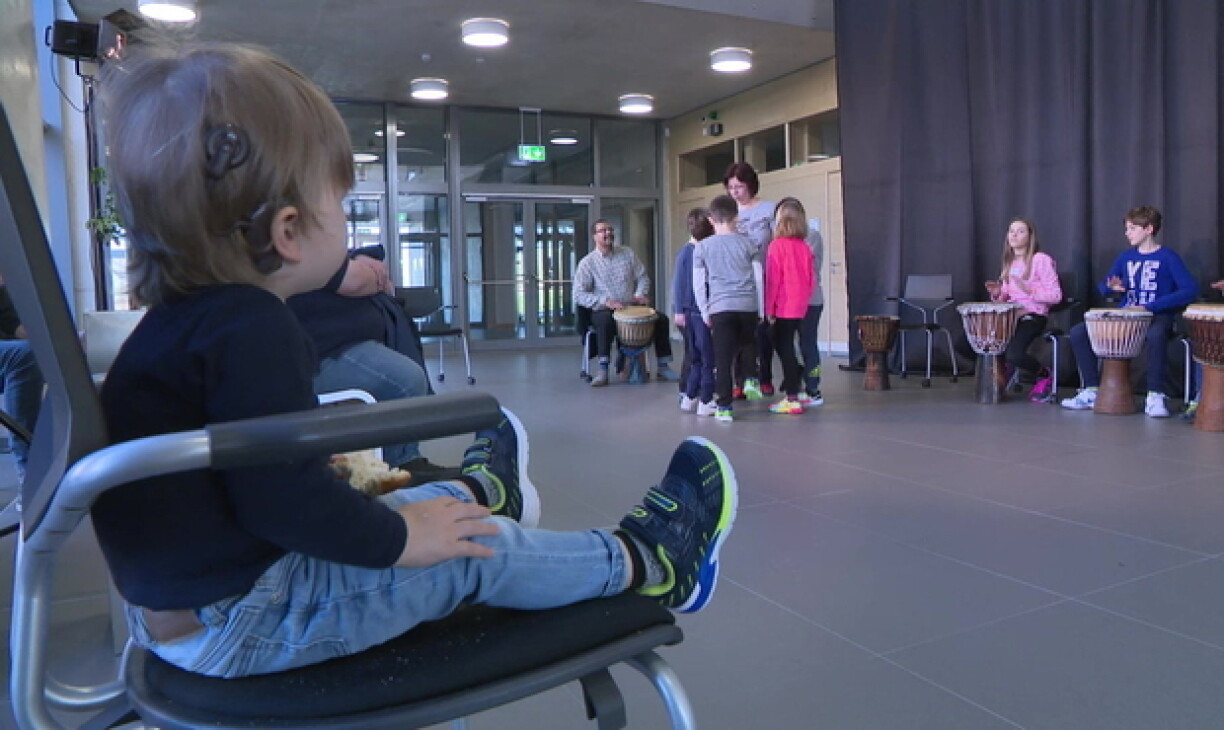
Of the 6,000 babies born in Luxembourg each year, an estimated 6 suffer from deafness.
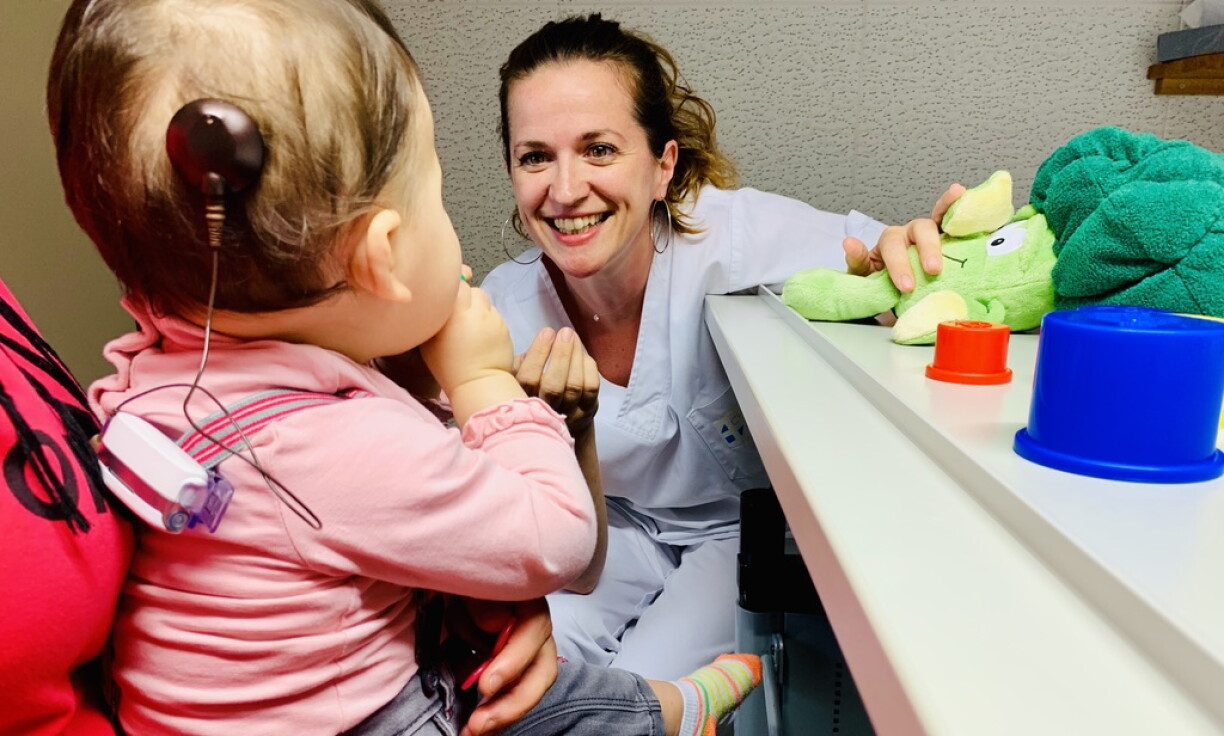
Among them, this child was able to recently profit from a medical first in the CHL: the activation of a cochlear implant.
For this infant, who is profoundly deaf, this became a chance to regain one of their senses and to better communicate with their family. One can only imagine the joy of the parents, who noticed an immediate reaction from their child as soon as the implant was activated.


The cochlear implant is an electrode that is implanted in the cochlea, with a sound processor placed behind the ear. The implant transforms sounds into electrical stimulations sent to the auditory nerve.
The sooner it is implanted in the child, the greater the probability that the child's brain can interpret the stimulations of the auditory nerve. However, some parents are reluctant to agree to the implantation of the device.
To date, patients in Luxembourg requiring a cochlear implant must have surgery abroad, either in Germany, Belgium or France. They must then return to the hospital which performed the implant on a regular basis for monitoring, or if there are issues with the implant.
In the meantime, the ENT team at CHL is planning to implement comprehensive care for these patients in Luxembourg, from diagnosis, to implant surgery, to post-operative care.
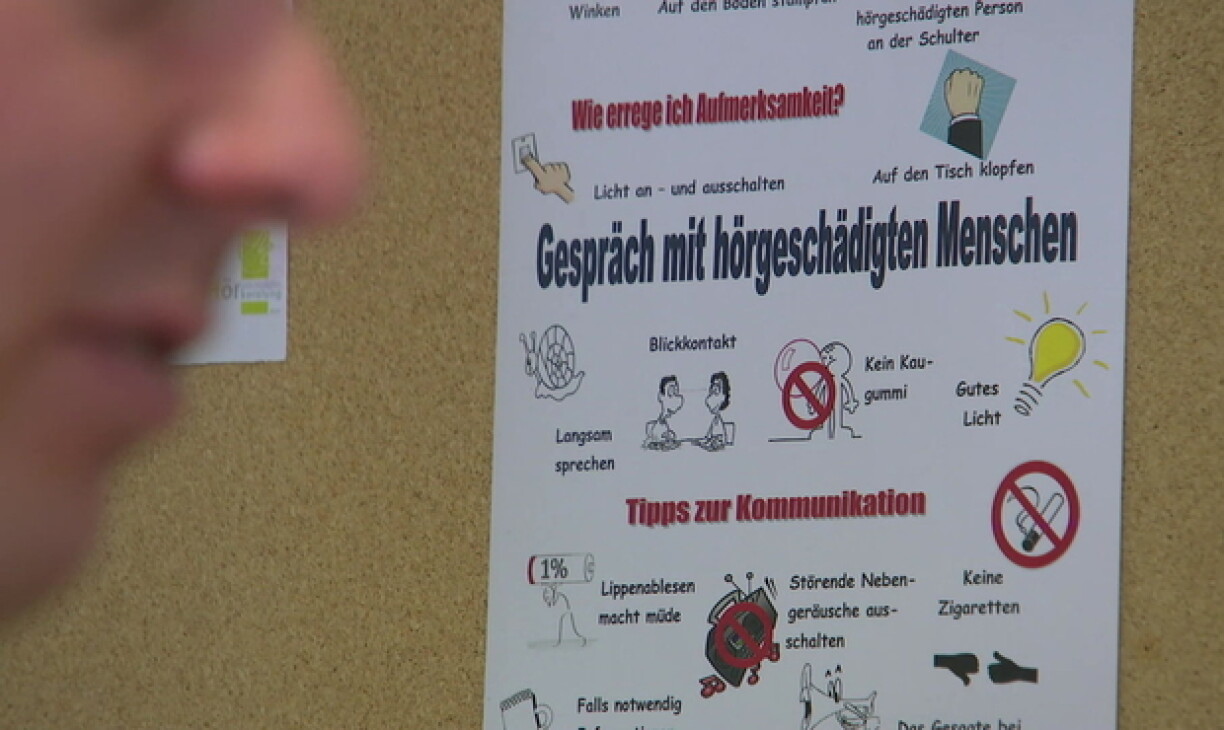
Dr Pierre Sagnet, ENT specialist at CHL,explained that he operated on the child in question in a specialist centre in France. However, the activation of the processor was completed for the first time in Luxembourg at the CHL, and the post-implantation cochlear set up will also be carried out in Luxembourg.
He added that, following the introduction in Luxembourg of neonatal screening for deafness, courtesy of his colleague Dr Eugène Panosetti, this marked an important first step towards treatment of patients with profound or severe deafness with cochlear implants in the Grand Duchy.