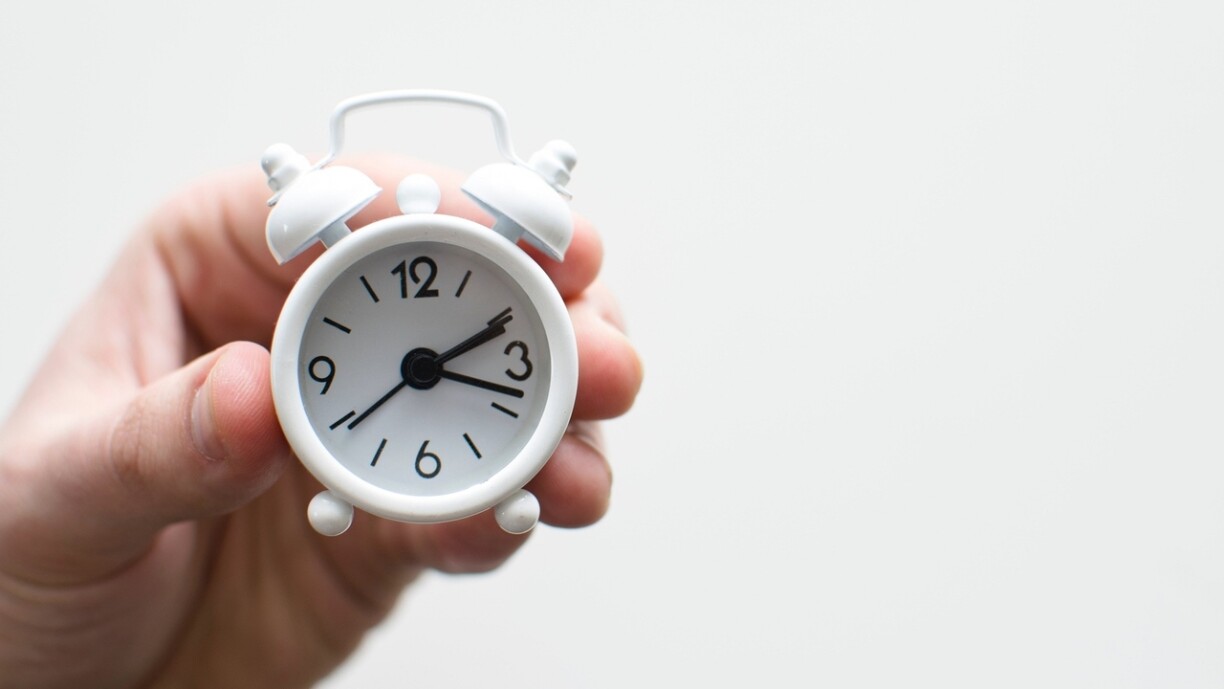
During the night from 29 to 30 October, clocks went back by an hour ('spring forward, fall back' as they say). At 3am on 30 October, we entered winter time as daylight savings ended. The good news is that the clocks went back, so we all* got an additional hour of sleep: 3am became 2am. This also means that early risers will get an additional hour of daylight, but equally evening will come sooner.
*As it turns out, small children don't respect changes to the clock, so perhaps "all" is an exaggeration.Opinion - Stephen Lowe: Getting out of the right side of the bed
You may recall that the European Parliament voted to end daylight savings in 2018, a decision which was supposed to come into effect in 2021. More locally, TNS Ilres polled Luxembourgers on the issue and found that three quarters were in favour of scrapping the mechanism. While the decision was taken, the implementation never quite came to pass, however, something which Swedish MEP Jakop Dalune put down to "bandwidth issues" in speaking to Euronews. Between Brexit, Covid, and more recently Russia's invasion of Ukraine, to name but some more pressing issued, it appears ending daylight savings has had to take a backseat.
Worldwide several countries, such as Argentina, Tunisia, Egypt, Turkey, Russia and Armenia have already decided to abandon seasonal time changes.
.





