The minister responded to a parliamentary question submitted by MPs Françoise Hetto, Octavie Modert, and Leon Gloden. The question sought clarity on cross-border public transport and how exactly fares will be regulated in terms of being free of charge in Luxembourg, but costing a fee abroad.
The minister confirmed that all transport going across borders will continue to cost, but prices and subscriptions will be adapted to become cheaper. He detailed that talks are currently underway with rail operators in the neighbouring countries. So far, those involved in talks have decided that passes will be formed of two parts, and the Luxembourgish component will be calculated as much lower than a full national fare.
As for cross-border bus transport, Bausch told MPs that negotiations are not necessary as fares would be orientated along train fare lines. The exact details are yet to be ironed out, but will be clarified by the autumn.
In the same response, the minister outlined a number of planned measures to improve public transport in Luxembourg. The main critique concerning fully subsidised public transport is that the infrastructure currently requires improvement.
In that vein, Bausch highlighted a number of redevelopment works due to take place at stations throughout the country, including improvement along the Igel rail line. The Grand Duchy is sharing the costs for this improvement, contributing €8 million.
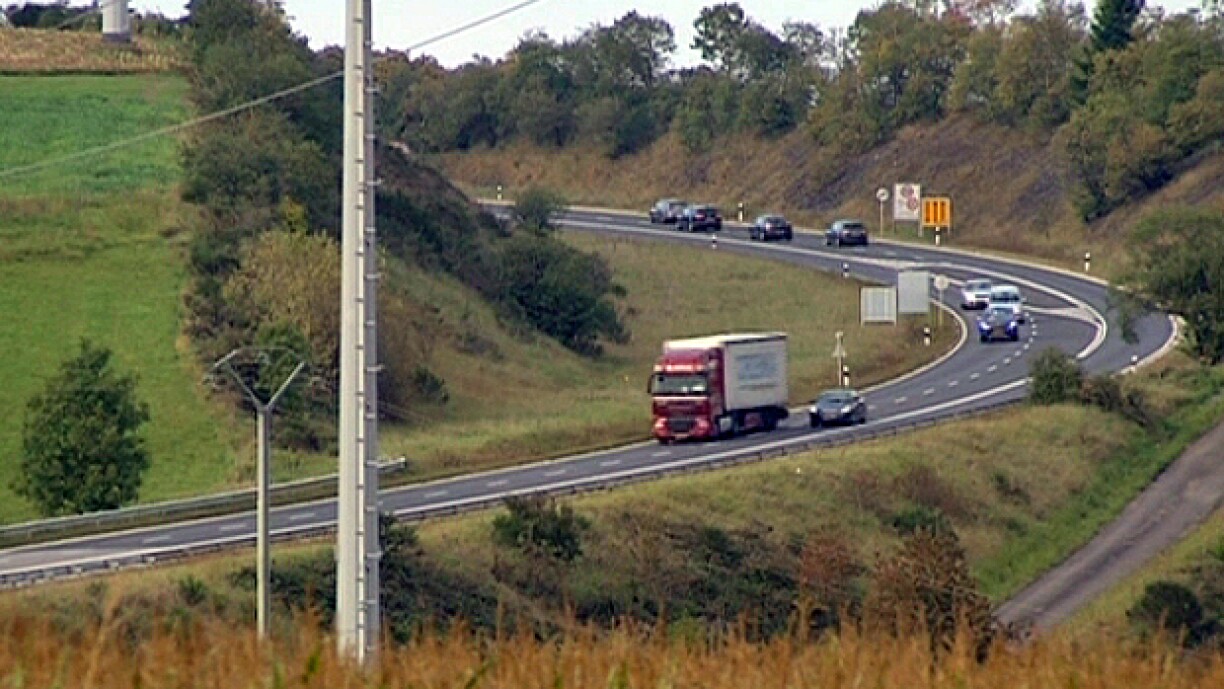
The Saar-Lux bus lines will also be restructured under the Ministry of Mobility's funding and as of 2020, the RGTR bus network will be completely reorganised. The minister also referred to buses and car-sharers making use of hard shoulders, notably concerning the A6 motorway, but also the A1 between Wasserbillig and Luxembourg City. At the current stage, the ministry is examining implementing the measure. The hard shoulder will be able to be used by cars with at least three people inside them.
Finally, the government also plans to build a number of new Park and Ride car parks, much like the Héienhaff one located next to the airport, which has 4,000 parking spaces.