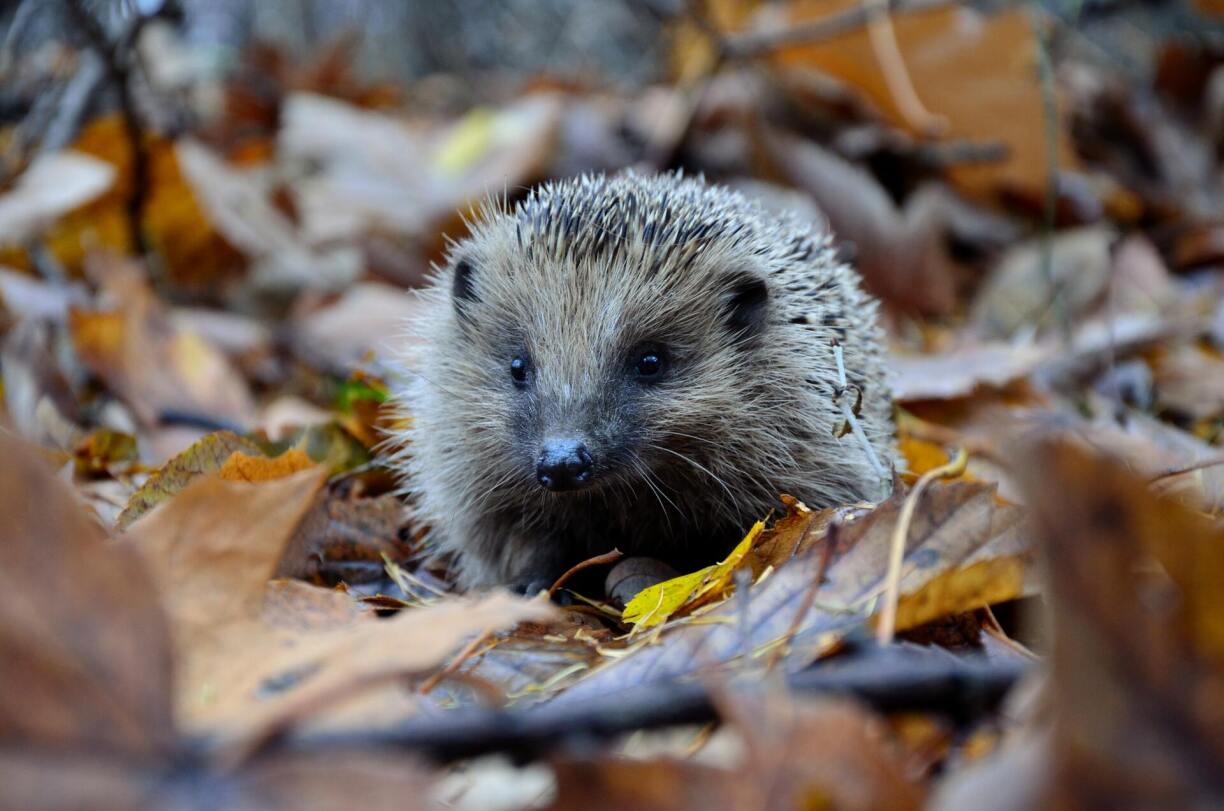
Some of the hedgehogs, garden dormice, and fat dormice are still too young and weak to be out on their own over the cold winter months. The animal sanctuary in Dudelange has therefore created an enclosed hibernation habitat.
People can easily provide hiding spots for animals in their gardens. Hedgehogs like to hibernate in small and enclosed spaces, the Dudelange sanctuary thus advises people to keep leaves and branches lying around if possible.
If you come across a wild animal that is either sick or injured, it is best to contact one of the numbers on the natur & ëmwelt website.
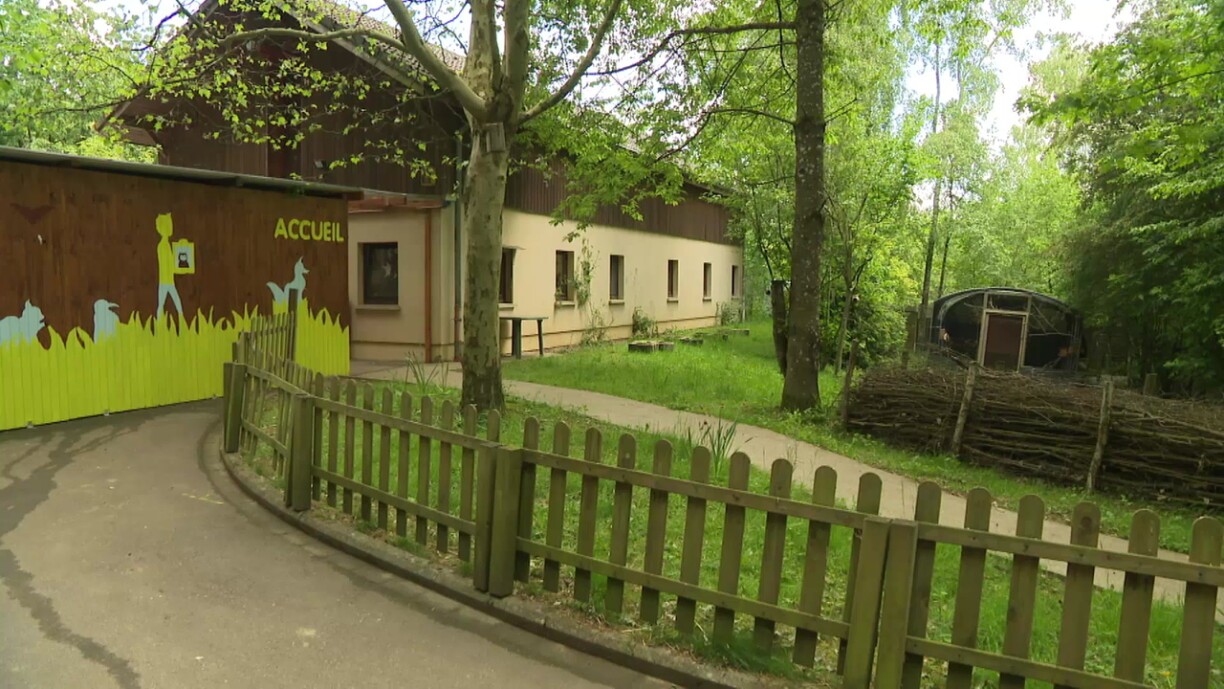
The Dudelange centre is open every day until March and can be reached from 8am to 5pm. From April to September, they are open until 8pm. There are also several drop-off sites throughout the country, from where the animals are later brought to the best-suited care station. These stations are located in Clervaux, Junglinster, and in Niederfeulen. In case of an emergency, a volunteer can also be contacted to come and pick up an animal.
The wildlife sanctuary aims at preparing the animals for an eventual return into the wilderness. In 2019, 70% of animals cared for at the Dudelange centre were birds, ranging from sparrows to owls and even eagles. 25% of animals were mammals, including root voles, foxes, and deer. The remaining 5% consisted of reptiles, amphibians, and other exotic pets.
When the sanctuary first opened in 1988, 83 animals were treated in the year. This has now grown to 3,650. At the moment there are several pigeons living in the facility, as well as a number of hedgehogs, an owl, a swan, and even a kodkod, which is a tiny wild cat.
To be released back into the wild, the centre needs to see that the animals are able to provide for themselves, be healthy, in good shape, and in control of their senses. If those conditions cannot be guaranteed, the animals are eventually put down.
Exotic animals can stay in Dudelange until an adequate wildlife park is found for them, or an expert in the field decides to adopt them.