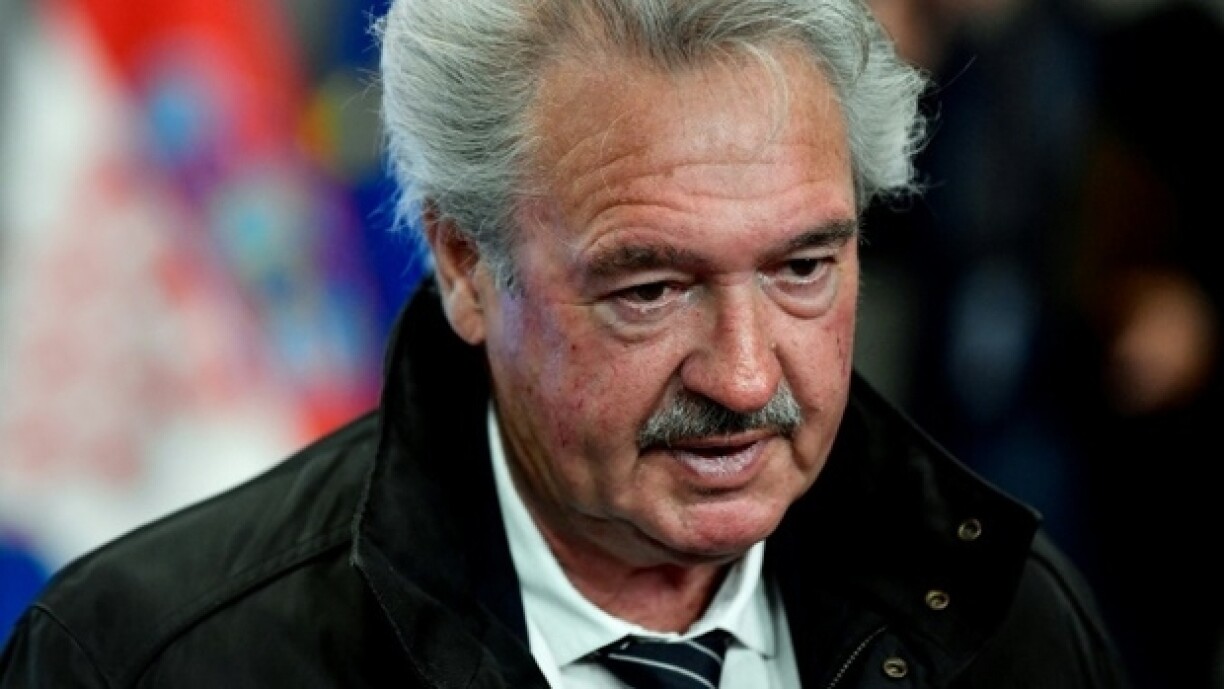
Minister of Foreign Affairs Jean Asselborn briefed the MPs for over one and a half hours. The parliamentary commission agreed that especially in the case of the alleged poisoning of the Russian liberal politician Alexei Navalny, a resolution should be found quickly.
On the topic, Asselborn stated that the situation was "not ideal". This, the minister explained, resulted in increased tensions between Russia and the European Union. Asselborn made it clear that he had no intentions of accusing the Kremlin, stating that he did not know whether the attack had been orchestrated by the Russian government. However, one cannot deny the fact that it happened, and that there is an urgent need to resolve the case.
Asselborn said he hoped the EU would show a united front in discussions with Russia. He fears that projects, such as the construction of the NordStream2 pipeline, would otherwise be halted, a delay that could cost Germany as well as other European economies billions.
On the topic of crisis management, Asselborn stated that the world had changed since Brexit and the US elections in 2016. Especially during the pandemic it had become obvious that the personal contact between politicians was missing.
The current conflicts are all taking place in a time where it is no longer normal to have regular diplomatic relations, the minister went on to say. The number of physical meetings is very limited, and Asselborn expects this to continue during autumn. Nevertheless, Asselborn expressed hope that his EU counterparts could meet in person on 21 September.
The EU would now eagerly await the results of the US elections in November. The results of this election will greatly influence European foreign policy, Asselborn concluded.





