
Here are five things you should know at the end of this week:

Luxembourg Out – Eva Marija represented Luxembourg in Thursday's Eurovision semi-final in Vienna, hoping to secure a spot in Saturday's grand final. Despite captivating local fans with her stage presence and heartfelt performance, she did not receive enough votes to progress. The result brought disappointment for Luxembourg's Eurovision enthusiasts, who had rallied behind her entry.
Gutted, but gracious – Shortly after the results, Eva Marija appeared emotional, but reflected positively on her efforts and the experience. She stated that she gave her all on stage, sang with her heart, and remains proud of her efforts. She thanked her supporters and looked forward to future opportunities, with her mother, Nataša Kavaš Puc, calling her a winner and praising "young people who dare to say what they feel and how they see the world".
On Saturday – The second semi-final also saw other countries like Bulgaria, Ukraine and Norway qualify for the final, while Austria advanced as host country. The final line-up for Saturday's final will be as follows: Albania, Australia, Austria, Belgium, Bulgaria, Croatia, Cyprus, Czech Republic, Denmark, Finland, France, Germany, Greece, Israel, Italy, Lithuania, Malta, Moldova, Norway, Poland, Romania, Serbia, Sweden, Ukraine and the United Kingdom. Notably missing from the line-up is Spain, one of the Big Five donors, alongside Ireland, Slovenia, the Netherlands and Iceland, in what has been called "the biggest ever boycott of Eurovision" over Israel's war in Gaza and the ongoing humanitarian crisis.

Alarming figures – The Education and Science syndicate of the Independent Luxembourg Trade Union Confederation (SEW/OGBL) survey gathered responses from 1,115 teachers, with 820 reporting violence directed at them in the past year. Notably, 314 teachers said they experienced violence between one and five times a week. Both verbal and physical violence were reported, with 450 teachers physically attacked, 233 injured, and 64 requiring medical attention.
Culture of silence – Many teachers choose not to report violent incidents, citing excessive bureaucracy, the effort involved, and fear of negative consequences. According to the union, there is a prevailing culture of silence, with some teachers feeling unsupported by school leadership. Incidents are often trivialised, and in some cases, perpetrators are protected over victims, further discouraging reporting.
Union demand urgent action – The SEW/OGBL is demanding an overhaul of measures in place, including better teacher training, a standardised reporting system, regular statistics, and annual monitoring. The union also wants psychological and legal support for victims, clear guidelines, awareness campaigns, and anonymous reporting options. Frustrated by a lack of progress, the union accuses the Ministry of Education of sweeping the issue under the rug.

Sharp surge – The National Employment Agency (ADEM) reported that more than 42,000 people were registered as jobseekers in Luxembourg in 2025, marking a 25% rise compared to 2022. The increase was even more pronounced among non-residents, including refugees and expats, where the number jumped by 70%.
Sectoral trends and challenges – While employment continues to grow in finance, insurance, healthcare, and retail, sectors that together represent 30% of the labour market,other areas such as construction, industry, and IT have seen declines. ADEM’s leadership noted that the varied backgrounds and languages of jobseekers make it difficult to provide tailored support, especially as the agency prepares to implement new European social security directives.
Digitalisation and future outlook – ADEM is pushing for more digital processes, with 85% of unemployment benefit applications now submitted online. However, technical issues since November have left 200 cases unresolved, resulting in hundreds not receiving benefits. ADEM’s director apologised for the delays. Meanwhile, projections suggest unemployment could reach 6.5% in 2026, with external factors such as the Strait of Hormuz blockade due to the war in Iran weighing on the outlook.
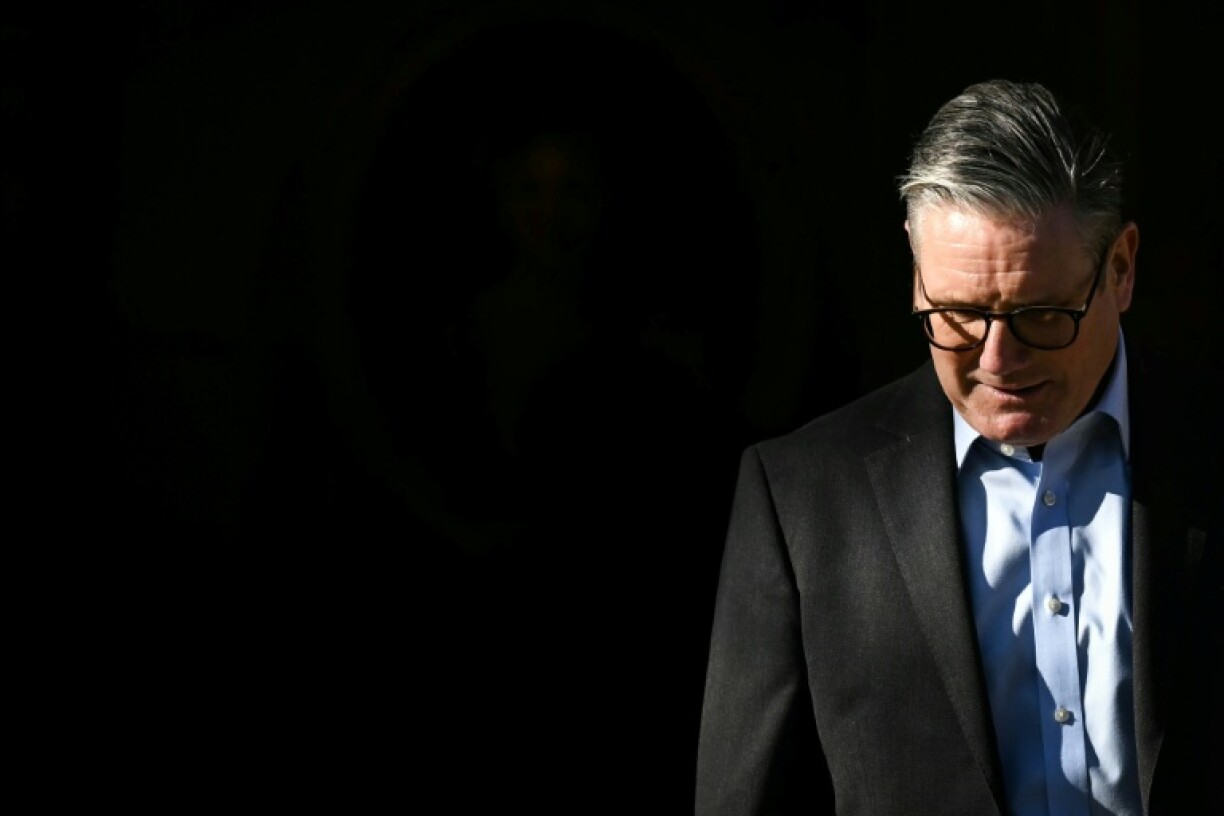
Party commotion continues – Walking out 20 minutes after the start of a meeting with UK PM Keir Starmer, Health Minister Wes Streeting, a prominent figure on the right of the Labour party, became the first senior minister to resign, openly challenging Keir Starmer’s leadership. His departure follows the resignation of four junior ministers and calls from over 80 Labour MPs for Starmer to step down. Streeting stopped short of launching a leadership bid but urged for a broad field of candidates.
Election setbacks and party divisions – Labour’s recent local and regional election losses, including losing control of the Welsh parliament and failing to gain ground in Scotland, have fuelled discontent. The rise of Reform UK and the Greens, along with controversy over appointments, has further weakened Starmer’s position. While some senior cabinet members back Starmer, trade unions and many MPs are now openly questioning his ability to lead the party into the next general election. Starmer is coming hot on the heels of the Mandelson-Epstein revelations, which forced Starmer to dismiss his ambassador to Washington and fuelled wider doubts over the prime minister's judgement.
Leadership contest imminent? – Potential challengers, including Angela Rayner and Andy Burnham, are manoeuvring as speculation grows over Starmer's future. Rayner has cleared obstacles to her candidacy after resolving a tax dispute with UK tax authorities which had led to her resignation as deputy prime minister and housing secretary in September 2025, while Burnham's eligibility depends on returning to parliament. However, a path has been opened for Burnham after Labour MP Josh Simons said he would resign his seat to allow Burnham to stand. Streeting's resignation now increases the likelihood of a leadership contest, though Starmer has vowed to fight any challenge and continue in office.
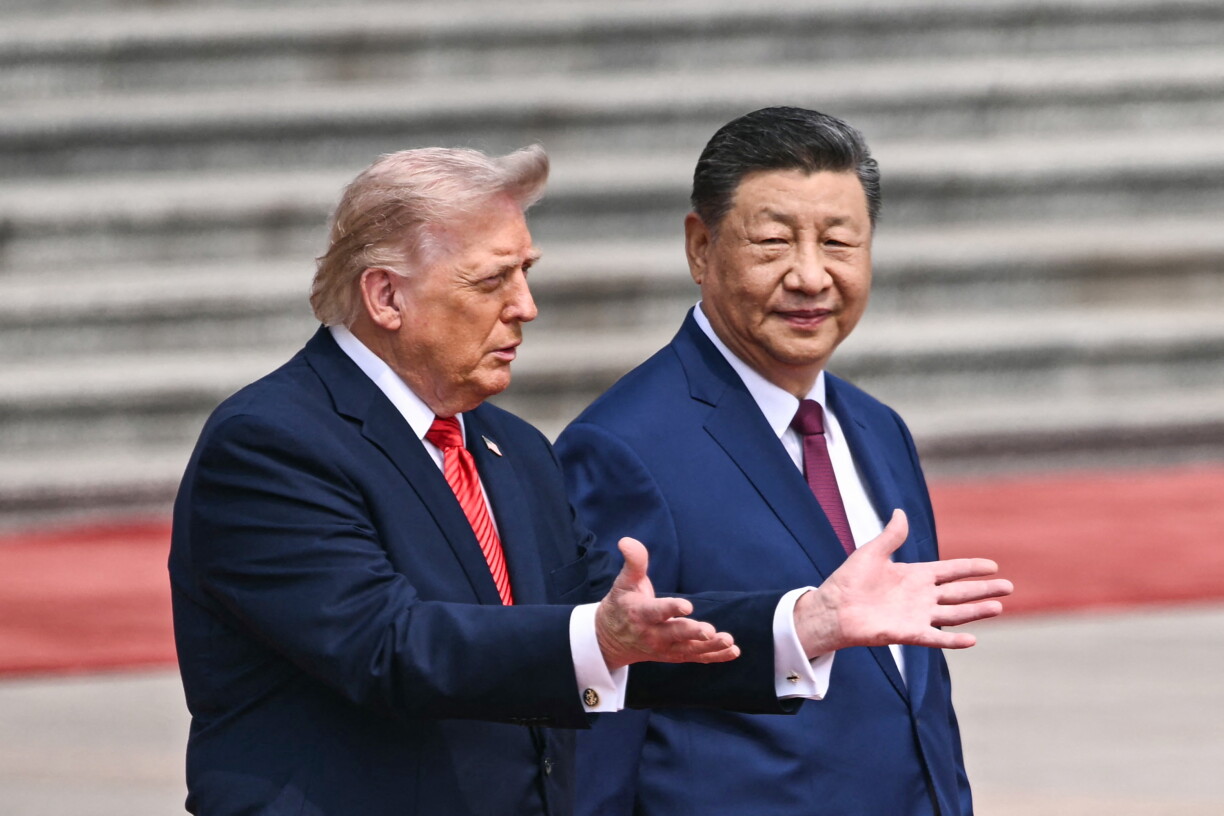
Red carpet welcome – US President Donald Trump landed in Beijing on Wednesday for a high-stakes summit with Chinese leader Xi Jinping aimed at easing deep tensions between the rival superpowers. Xi Jinping told Donald Trump that the Taiwan issue is the most important matter in US-China relations, warning that mishandling it could push the two nations into conflict. Analysts described Xi’s language as unusually direct, underlining the potential for serious fallout if the status quo is disturbed. The US has not indicated any change in its policy, and Trump avoided public comment on Taiwan during the visit.
Markets rally – Despite geopolitical tensions, Trump announced "fantastic trade deals" with China spanning agriculture, aviation and artificial intelligence. He said Xi Jinping had agreed to purchase 200 Boeing jets and expressed interest in US oil and soybeans, while the two sides also discussed setting up so-called guardrails for AI cooperation, though no details were provided on advanced technology exports. Markets responded positively, with European and US stocks climbing on Thursday in the latest sign of bullishness towards artificial intelligence.
Taiwan question – The summit also addressed the war in Iran, with Trump claiming Chinese support for reopening the Strait of Hormuz and assurances that China would not provide military equipment to Iran. While Xi described the visit as a milestone, the unresolved Taiwan question and broader rivalry continue to cast a shadow over bilateral ties. Both leaders signalled a desire to stabilise relations, but challenges seem to remain in the way.
Your Weekly Recap is published every Friday at noon.
Read earlier versions here.





