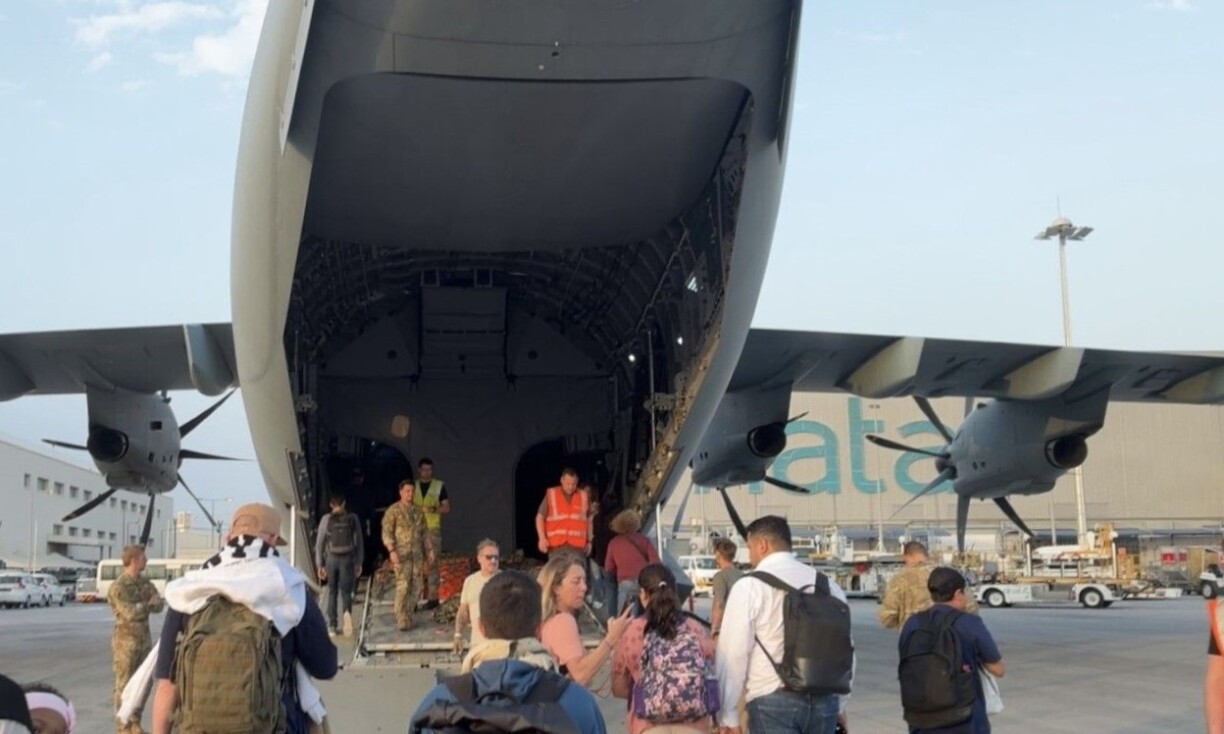
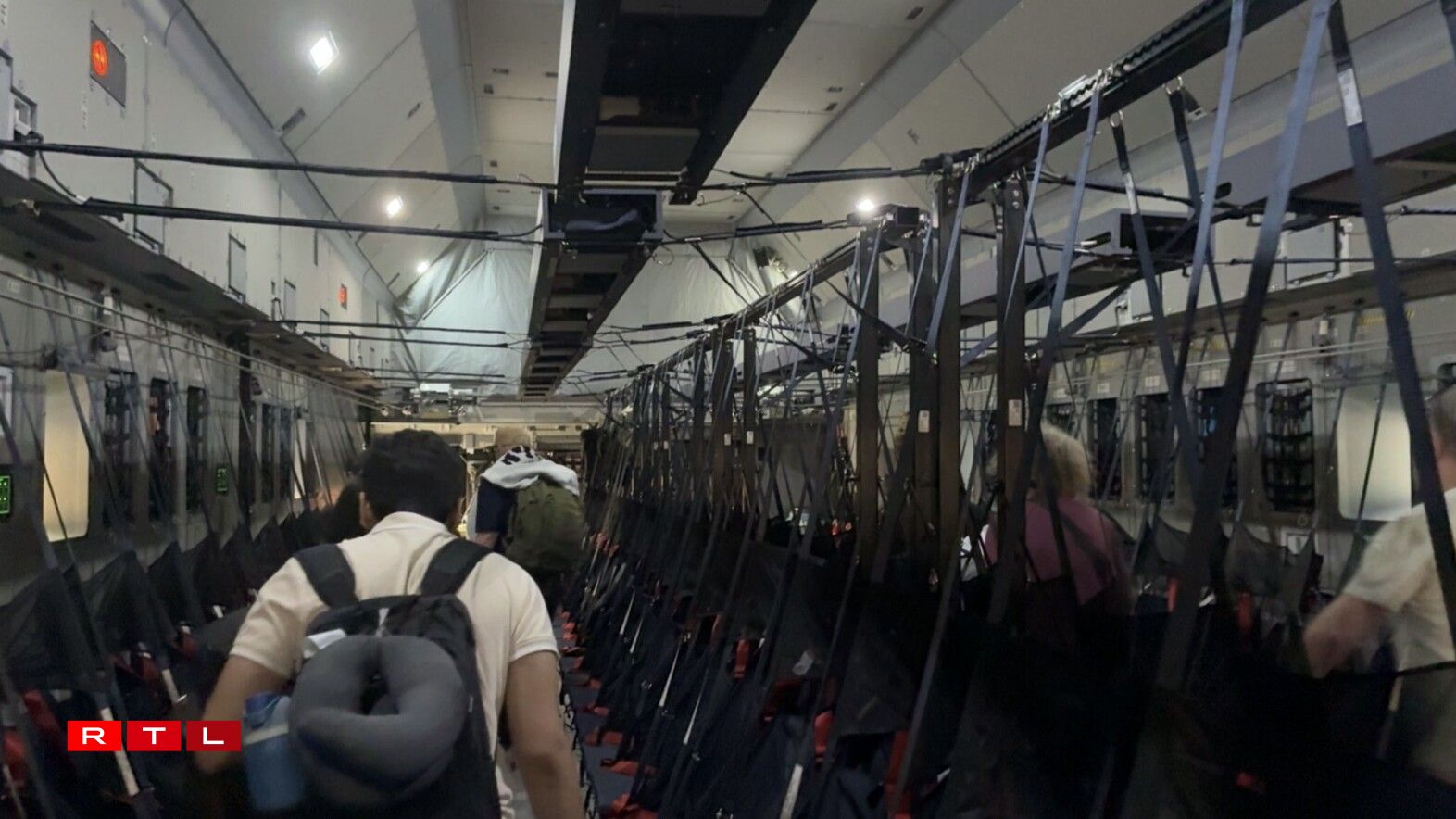
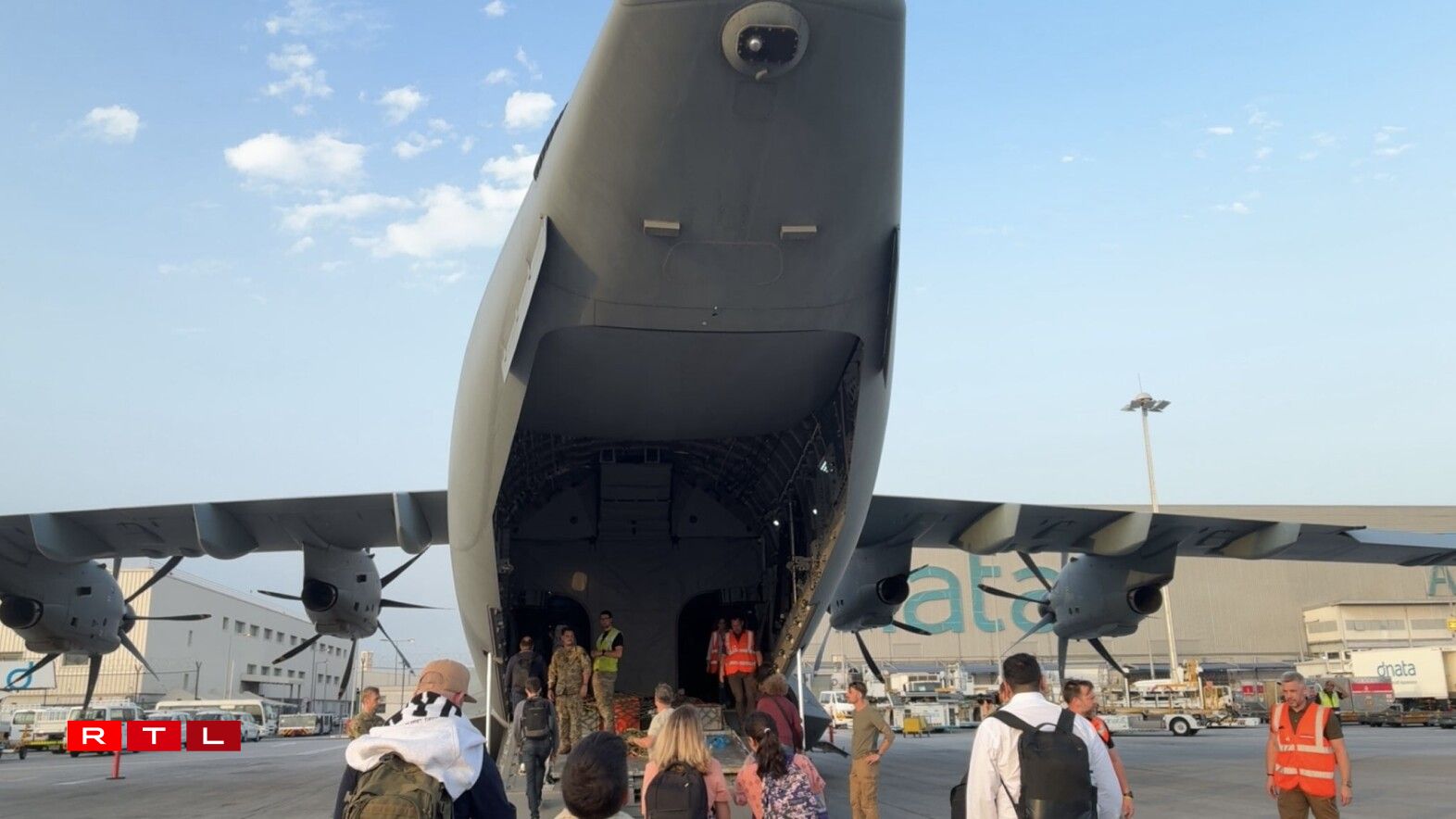
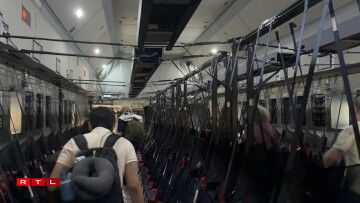
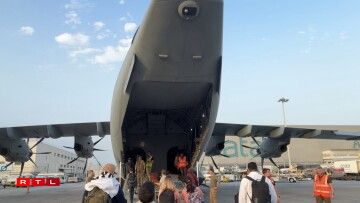
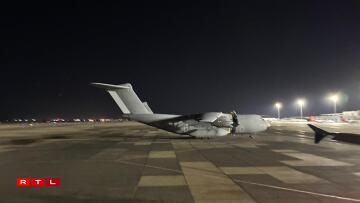
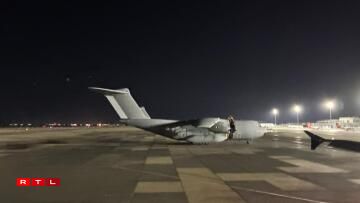
RTL Today spoke with evacuees arriving on the fifth repatriation flight from the Middle East, which landed at Brussels Airport at 9am on Monday. Passengers travelled aboard a military A400M aircraft before being transported to Findel by the Luxembourg Army.
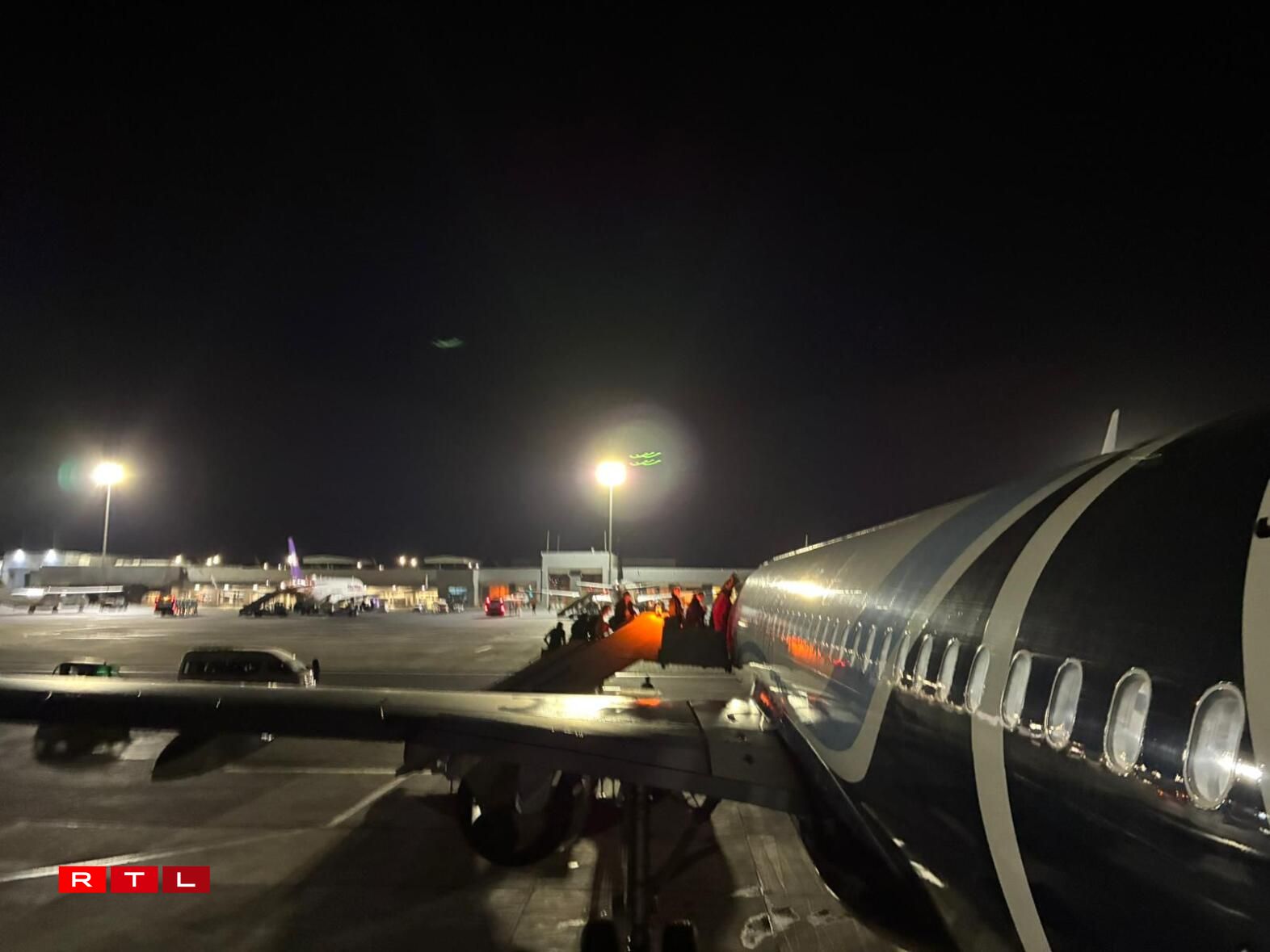
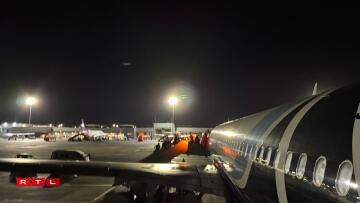
The journey was far from being straightforward: evacuees had first been flown from Dubai to Hurghada, Egypt, on Sunday morning, where they faced a five-hour delay before being flown on to Brussels and finally making their way to Luxembourg by coach on Monday afternoon.
With the war in Iran showing no signs of slowing down, Foreign Minister Xavier Bettel confirmed last week that the Luxembourg government will carry out repatriation flights to bring Luxembourg nationals back home. Five repatriation flights have been completed thus far, with more expected in a joint effort with Belgian authorities.
The United Arab Emirates (UAE), a US ally home to American military installations, was among the first countries caught in the crossfire of Iran's campaign. Explosions were reported on Dubai's Palm Jumeirah island, and drone debris sparked a fire at the iconic Burj Al Arab hotel. Dubai International Airport was also among the targets, forcing several countries to initiate repatriation efforts amid fears that the conflict would continue to worsen.
Those interviewed by RTL Today were unanimous in their praise for the Luxembourg government's handling of the evacuation, saying they had felt safe and well looked after throughout the journey home. However, the situation on the ground in Dubai during the first days of the war was a different matter entirely.
Evacuee Sofia Chubchenko described the atmosphere as scary, recalling how during the first night of attacks she heard air defences and missiles overhead, and had sought shelter in a bathtub. She was, however, grateful to Luxembourg officials for the support they received.
"They provided blankets, food, even during the delay in Hurghada, we felt absolutely safe", she said.

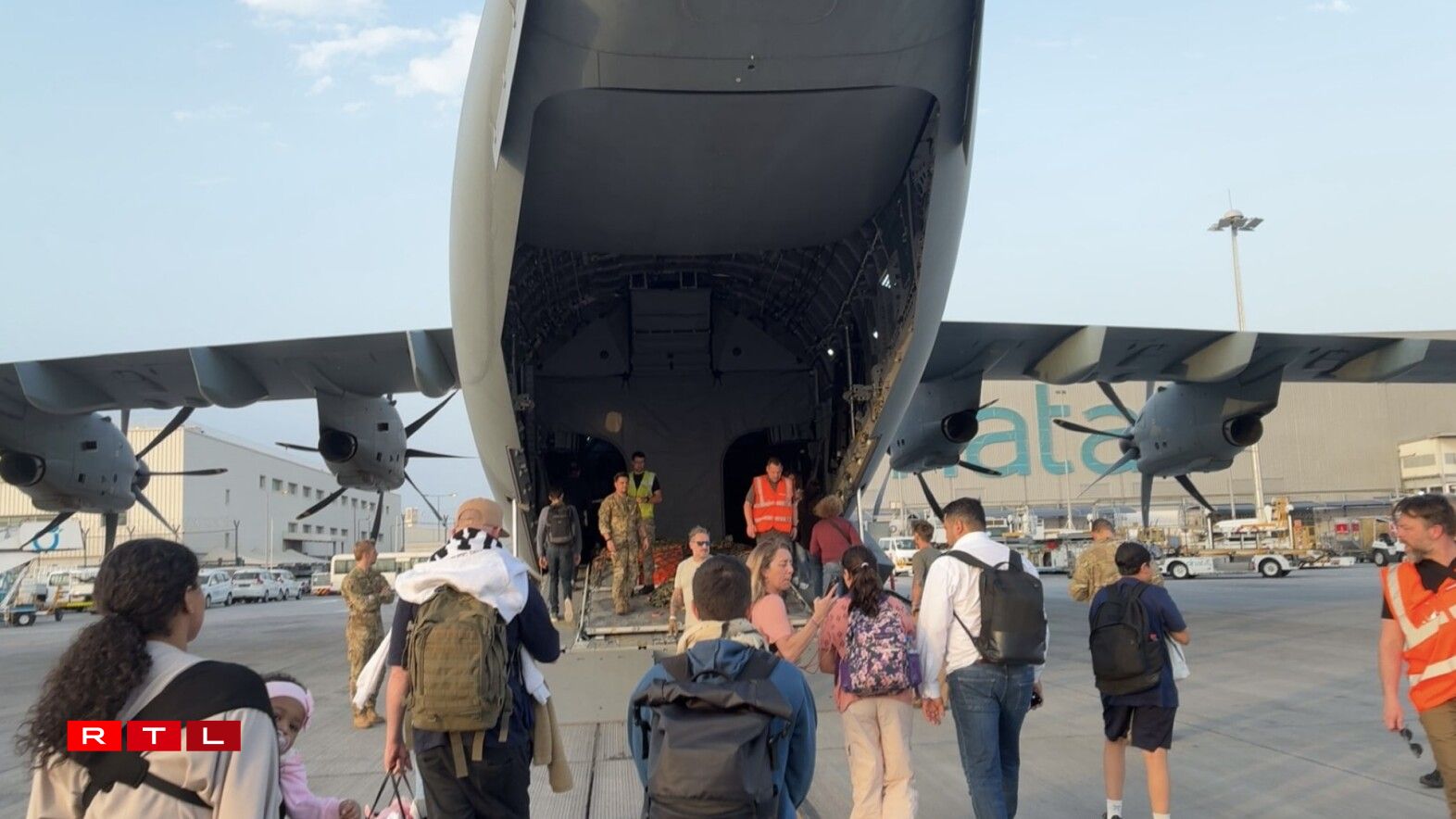
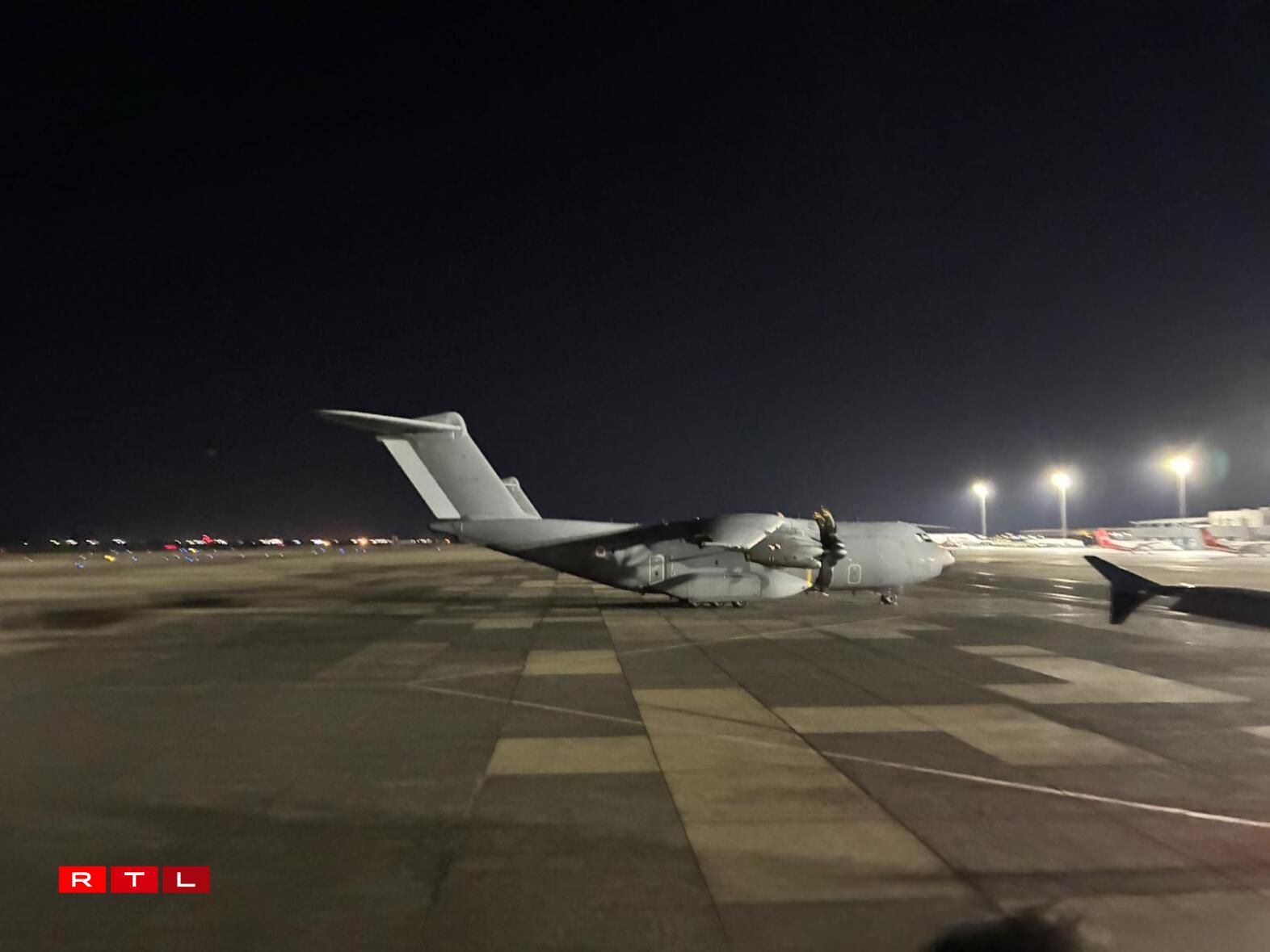
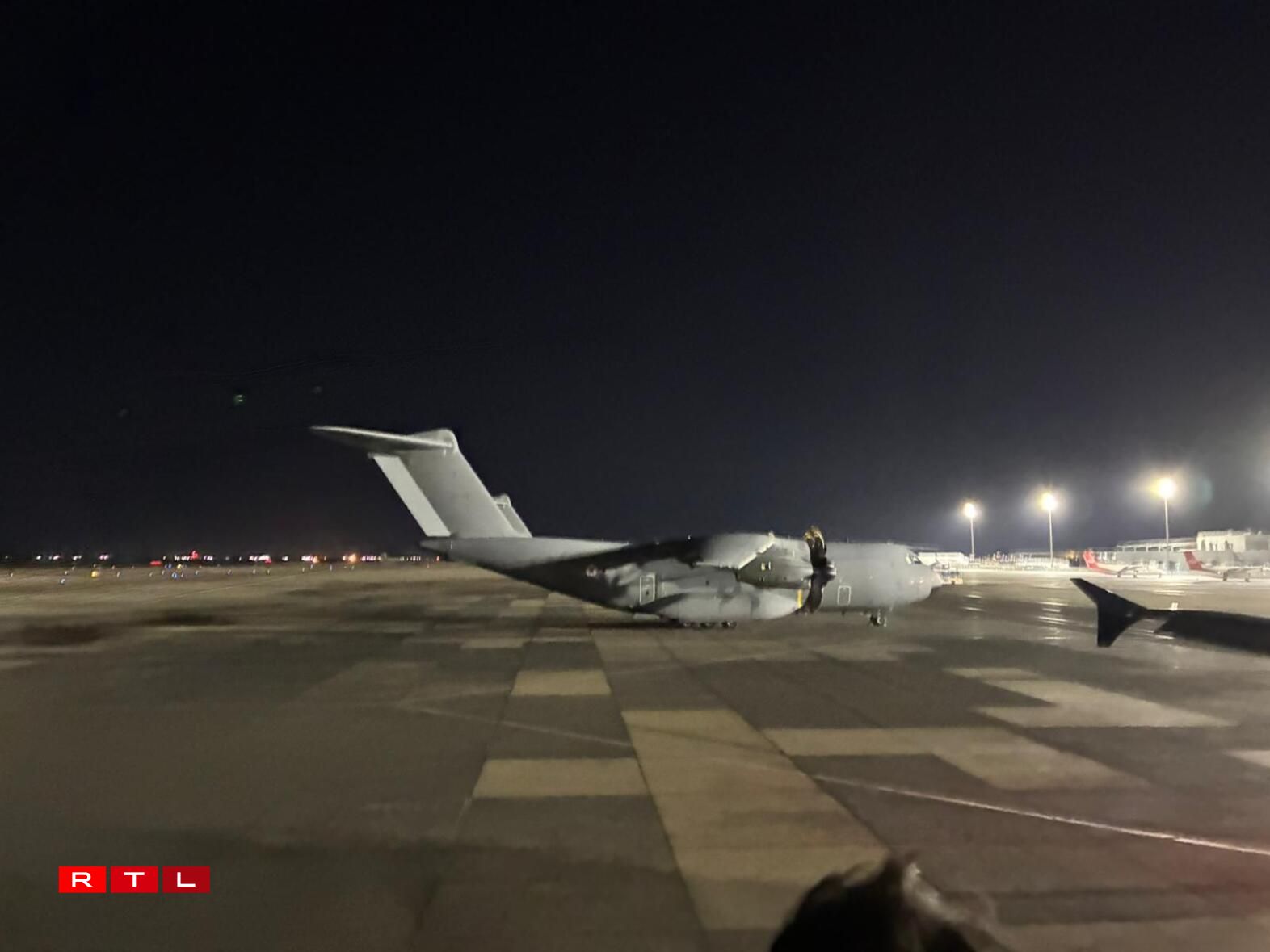
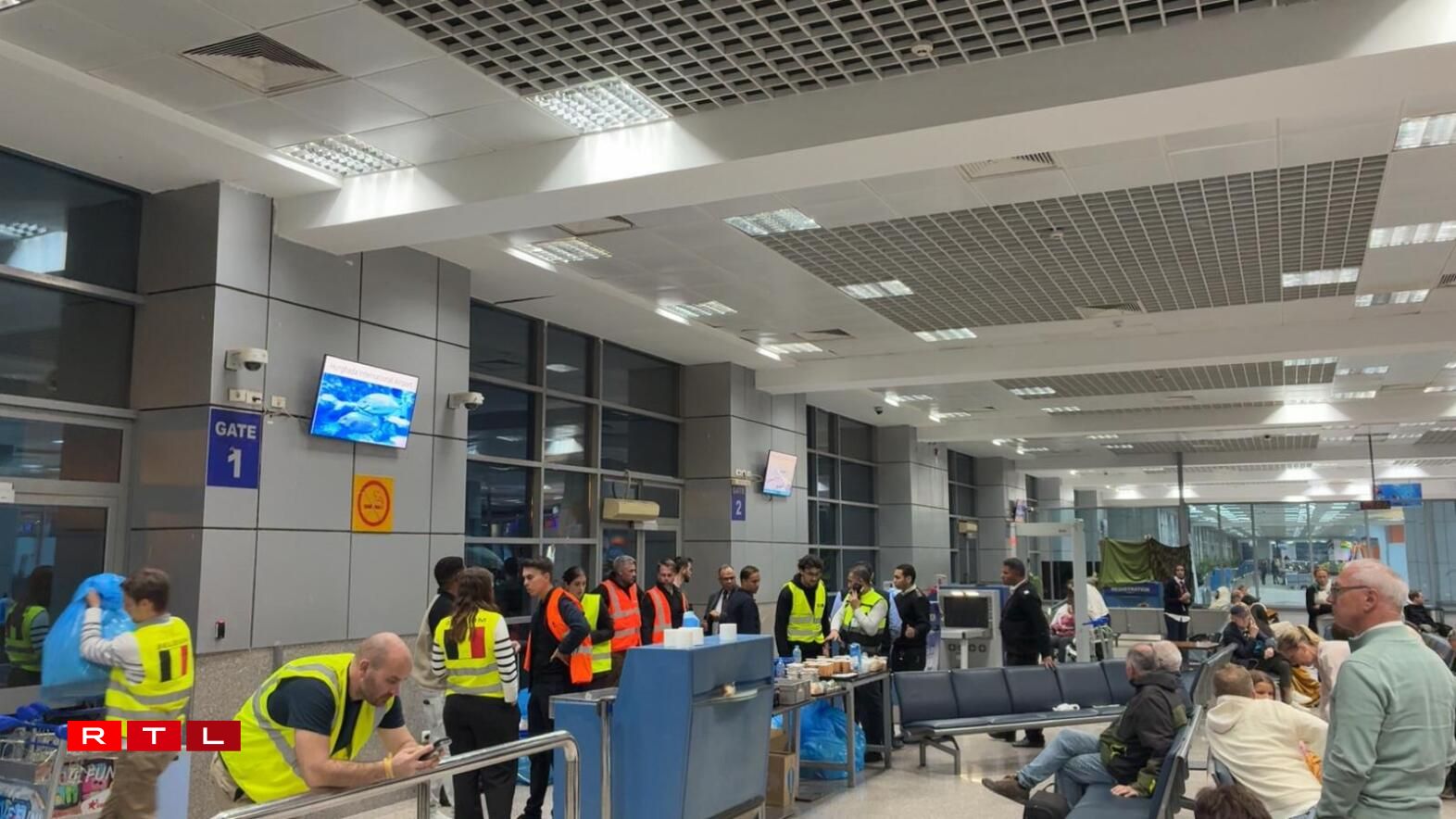


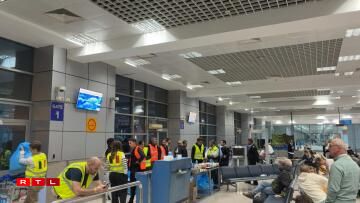
Raiyan Beg expressed relief at making it home safely and was grateful for the care shown by officials throughout the journey. He described the process of securing a seat on the flight, having initially contacted the Luxembourg embassy in the UAE, only to be redirected towards commercial airlines.
After a renewed attempt at reaching out to other Luxembourg officials, he was ultimately confirmed a seat on the Sunday flight to Luxembourg. Beg added that the atmosphere on the flight was comforting and communal as passengers supported and interacted with each other warmly.
Pascale Bosso Bosso was equally grateful about Luxembourg's handling of her repatriation. In her case, it was her daughter who had to contact Prime Minister Luc Frieden's office directly to ask whether, as a European Commission employee holding a Schengen visa, she would be eligible for a seat on a repatriation flight.
Describing the situation in Dubai, she recalled: "Pretty much every night we received three to four alerts and had to go downstairs to hide." She also remarked on the impressive nature of the NATO aircraft itself, describing the flight as one of unbelievable stability.
Evacuation efforts by Luxembourg and other countries are still ongoing, with no end to the conflict in Iran yet in sight.
On 28 February, the United States and Israel launched strikes on Iran following weeks of unsuccessful negotiations mediated by Oman in Geneva. The war has since spilled over into other parts of the region, with Iran notably attacking oil infrastructure in Saudi Arabia and Bahrain and Israel striking Beirut on Sunday in a rapidly broadening conflict with Hezbollah that has killed hundreds across Lebanon.
Globally, energy markets have been rocked by US President Donald Trump's mixed messages so far on how long and how intensively the US and Israel plan to engage in Iran – stoking fears that the war will increasingly strain passage through the Strait of Hormuz, where around 20% of the world's oil transport is handled.
Meanwhile, Iran's foreign minister Abbas Araghchi has vowed to keep fighting for "as long as needed and as long as it takes" and not let any oil leave the Gulf.