
Here are five things you should know at the end of this week:
Record highs and lows – July 2026 brought nearly 361 hours of sunshine, making it the second sunniest July since records began in 1947, according to the national weather agency MeteoLux. Rainfall, on the other hand, has dropped sharply at only 150 litres recorded since April.
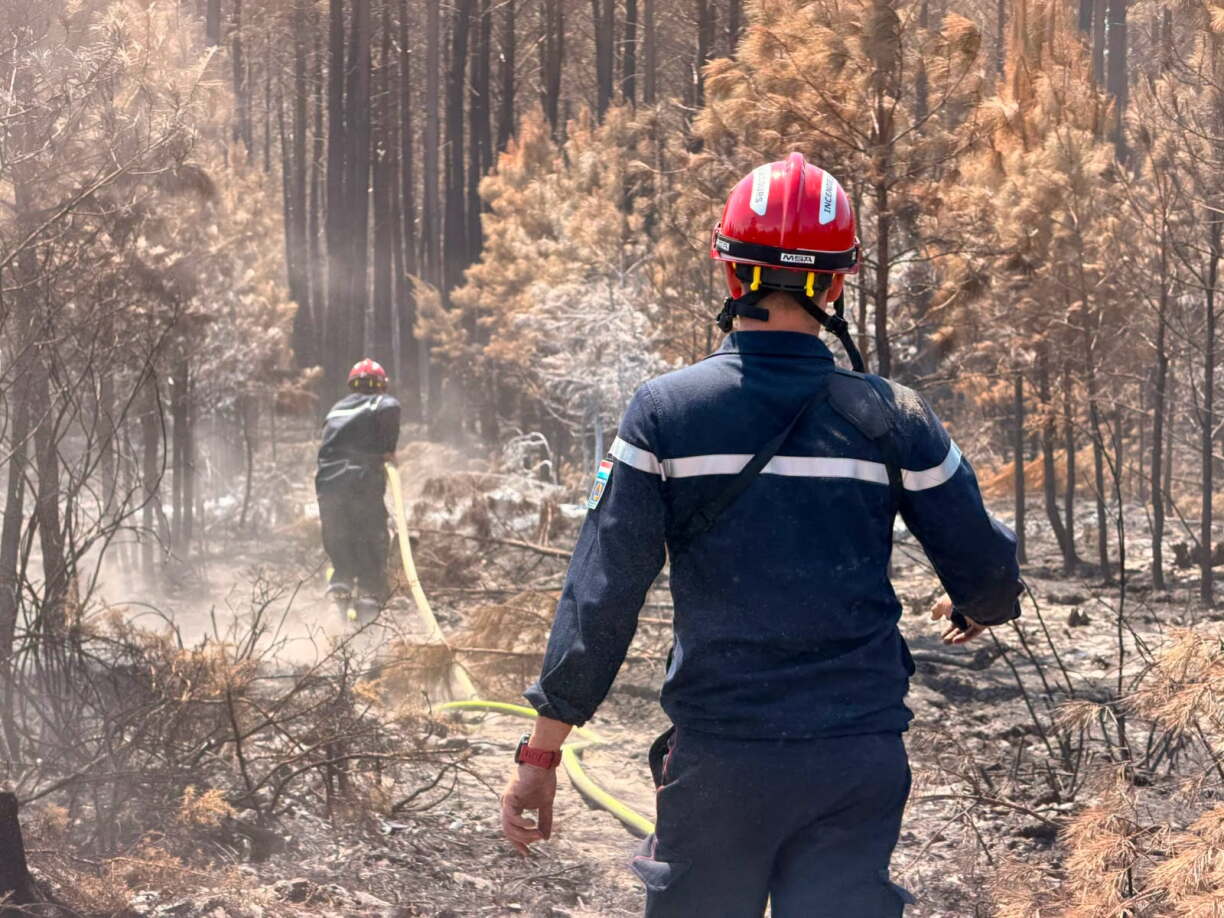
Wildfire concerns – The persistent dry spell has reduced the total rainfall to well below average, raising concerns about drought and fire risk. While forests in the country are considered resilient, the Grand Ducal Fire and Rescue Corps (CGDIS) remains on alert, equipped to respond to potential wildfires. Meanwhile, Luxembourg firefighters have joined efforts in France's Gironde region, assisting in the battle against severe wildfires that saw 200,000 evacuees.
Regional impact – Extreme heat and drought have affected much of western Europe, with record-low water levels on the Rhine disrupting transport and tourism, even at Luxembourg's ports in Mertert. In France, low river levels forced the shutdown of reactors at the Cattenom nuclear plant. The Netherlands have also faced major wildfires and evacuations.

Improving statistics – Luxembourg has seen a significant decline in road deaths, dropping from 132 in the 1970s to just 18 in 2024, making it the lowest figure recorded. The Road Safety Association attributes this progress to improvements in legislation, infrastructure, and education. Last year, 29 people lost their lives on Luxembourg's roads, including drivers, motorcyclists, and pedestrians.
EU-wide challenges continue – Despite progress in some countries, Europe as a whole remains off track to meet its 2030 target of halving road deaths. This year alone, 19,500 people have died and over 100,000 have been seriously injured on European roads.
Cautious optimism – The Luxembourg Road Safety Association praises the ambitious national road safety plan but calls for a more proactive approach. Special awareness is urged regarding electric scooters as incidents involving these vehicles are rising and current legislation is considered lax by international standards.

Significant gap – A new study by the Chamber of Deputies reveals that people with higher pensions in Luxembourg enjoy on average five to six more years in retirement than those with the lowest pensions. The analysis, conducted at the request of The Left, draws on data from 2000 to 2024 and highlights that these gains are not distributed equally across pensioners.
Disparities in groups – The study also found notable differences between resident pensioners and cross-border recipients. Frontier workers receiving a Luxembourg pension typically spend 1.5 years longer in retirement than Luxembourgish residents. Among Portuguese pensioners, the difference is even more pronounced, with Portuguese men and women spending three and over seven more years in retirement, respectively, than their resident counterparts.
Political debate – The findings have fuelled ongoing debates about pension reform in Luxembourg, with The Left arguing that extending the contribution period is unfair, as those in demanding jobs with lower pensions tend to have shorter retirements. Instead, the party calls for higher contributions from high earners and an increase in the minimum pension above the poverty risk threshold.

Mass crossing – An unprecedented 72,000 migrants entered Ceuta from Morocco over two days, driven partly by false rumours on social media that the border was open. While most have since returned, around 2,000 remain, including hundreds of unaccompanied minors facing dire conditions. An estimated 80 persons have since died, according to a Spanish legal body. Aid groups warn that children sleeping rough are at risk of abuse and exploitation, as local authorities struggle to provide adequate shelter and basic necessities.
Political fallout – The crisis exposed sharp divisions within the European Union. Twenty-two member states called for tougher external border controls and even suggested suspending Spain from the Schengen Area – a move Luxembourg, France and Portugal refused to support. Luxembourg's leaders, including Prime Minister Luc Frieden and Home Affairs Minister Léon Gloden, publicly backed Spain's response and criticised what they saw as unfair and politically motivated criticism from other EU countries.
Calls for unity – European Commission President Ursula von der Leyen and Luxembourg officials stressed that border protection is a shared European responsibility requiring solidarity and coordinated action. Emergency meetings among EU interior ministers sought to patch up differences and focus on lessons learned, including the need to combat disinformation and strengthen cooperation with partner countries. The debate over legal migration pathways, humanitarian obligations, and effective border management is set to continue at future EU summits.

Mass funeral – On Tuesday, one of the largest mass funerals ever organised in Gaza took place as hundreds mourned 112 people killed in Israeli airstrikes in late 2023. The ceremony was held in a cleared area surrounded by destroyed buildings, with Palestinian flags covering the remains. Family members expressed relief at finally being able to bury their loved ones, including children, women, and the elderly.
Recovery efforts – Gaza's civil defence teams worked for 17 days to recover the bodies from beneath rubble, with the aid of two excavators rented by the International Committee of the Red Cross. Civil defence officials report that over 8,000 bodies are still trapped under debris across the territory.
Ongoing devastation – Despite a ceasefire in October, near-daily airstrikes and artillery fire continue in Gaza. The territory's health ministry reports more than 73,000 deaths since the start of Israel's military campaign. Restrictions on media access make independent verification of casualty figures challenging.
Your Weekly Recap is published every Friday at noon.
Read earlier versions here.





