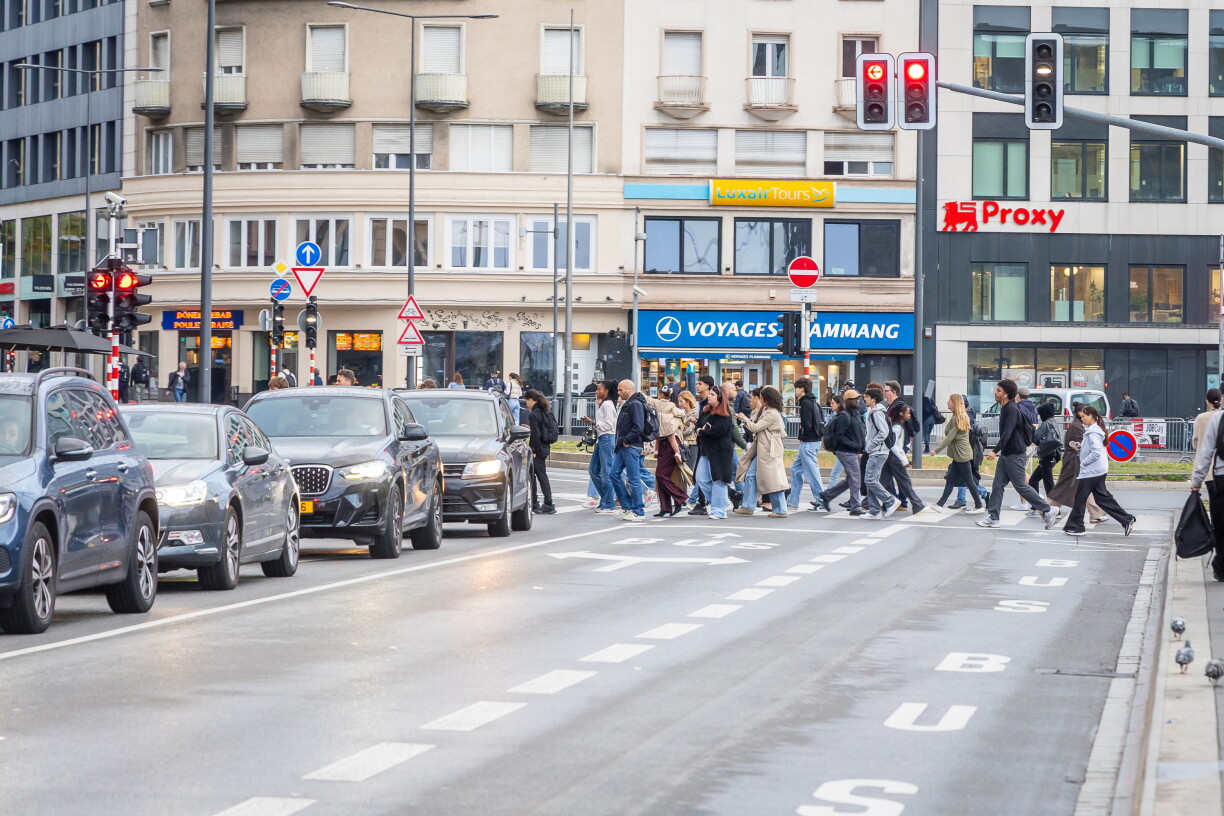
François Bausch believes that the foundation of a sustainable city lies in designing urban spaces for people rather than vehicles. In his view, mobility should be closely tied to urban planning and quality of life. This means understanding how people want to travel and offering the best mix of transport options to suit their needs. He explains that cities tend to focus on just one or two modes of transport while the real solution is to combine all available options. For Bausch, this includes public transport, cycling, and walking, modes that have historically received too little investment. He stresses that people will only switch between, or combine, different means of transport if each offers comparable quality.

Bausch does not mince words about the necessity of rapid change. He underlines that we cannot continue planning our cities around mobility as we did in the 1960s. The solutions are available, and everyone stands to benefit from a modernised transport system. He identifies three main reasons for urgency: quality of life in cities, the fight against climate change, and economic competitiveness. Transport is responsible for around 25% of carbon emissions, with personal vehicles a major contributor. Furthermore, cities that have adopted multimodal transport systems, such as Copenhagen and other Nordic capitals, have become more attractive economically and for investment. Bausch points out that the most competitive cities are those that have moved away from car-centric systems.
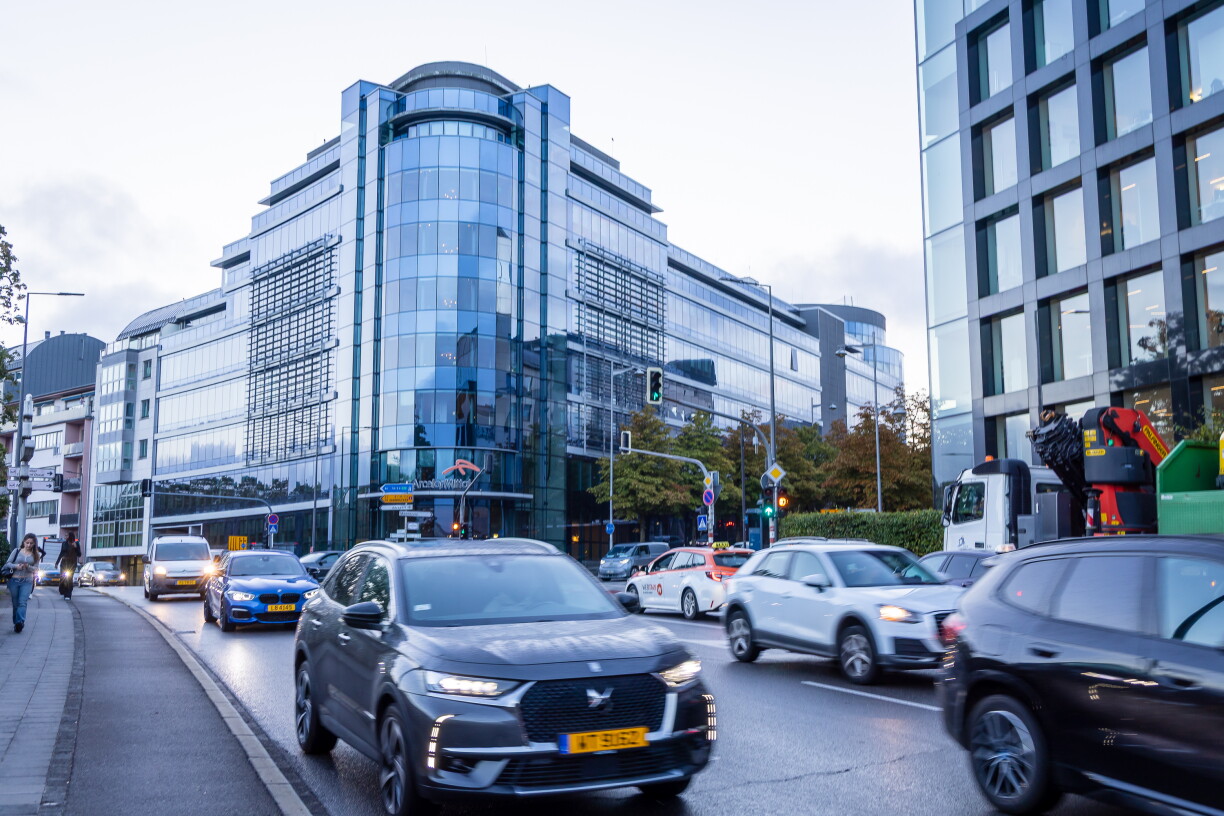
According to Bausch, Luxembourg as a whole can be considered a single urban space, despite its rural regions and varied landscapes, as distances in Luxembourg are relatively short, even in the north. He highlights that when we think about mobility, it should be about moving people, not just vehicles. The aim is to allow everyone to combine different transport modes optimally, whether for work, leisure, or daily life, insisting that the system should be designed to move people efficiently from A to B.
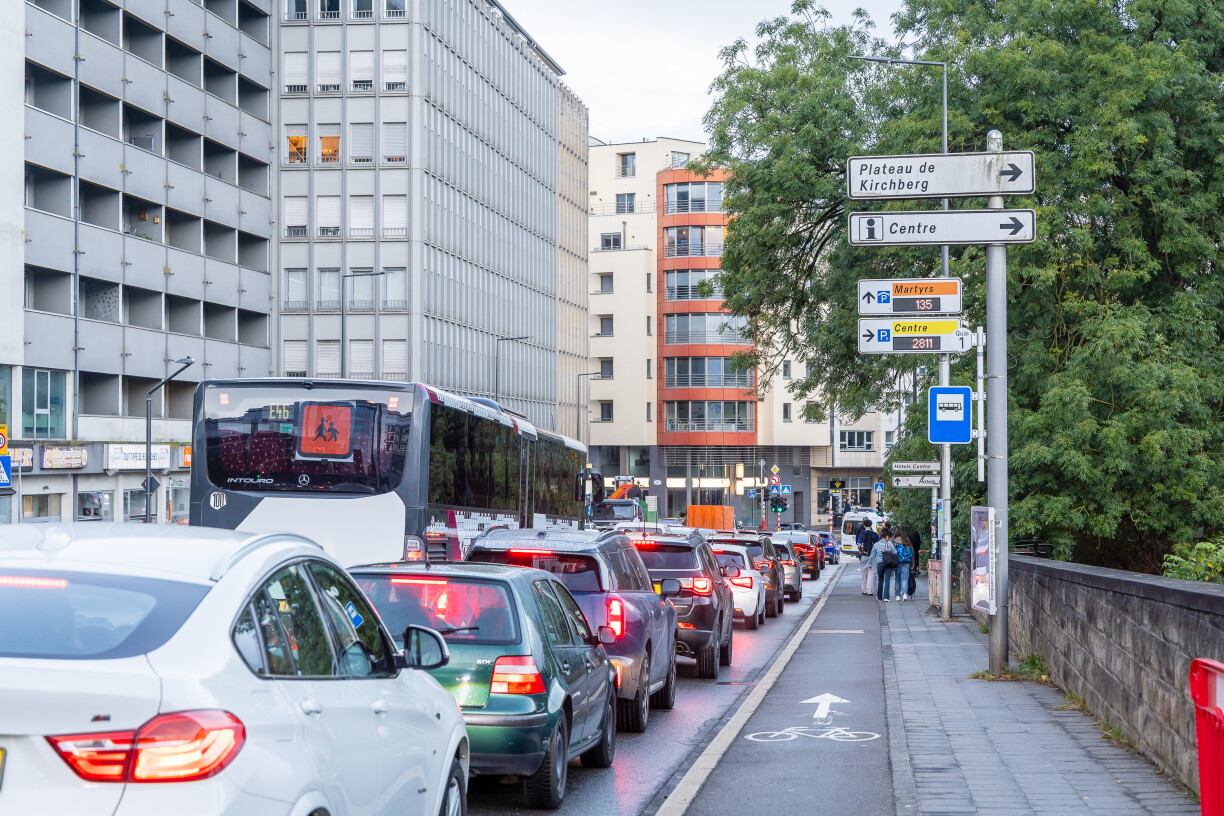
Bausch acknowledges that cars will remain part of the transport mix, but insists they should be just one among many options. He calls for public space to be shared fairly between cars, pedestrians, cyclists, trams, and trains, arguing that the era of roads dedicated exclusively to cars should end.
He also criticises the inefficiency of single-occupant vehicles, citing daily traffic jams filled with cars carrying only one person and tonnes of metal. Bausch argues that when high-quality alternatives exist, people will use them, highlighting the success of Luxembourg City’s first tram line, which now carries around 130,000 to 140,000 passengers daily. He recalls initial scepticism and opposition to the tram, and says that its popularity is proof that well-designed, frequent, and comfortable public transport will attract users, especially when it is integrated effectively with other modes.
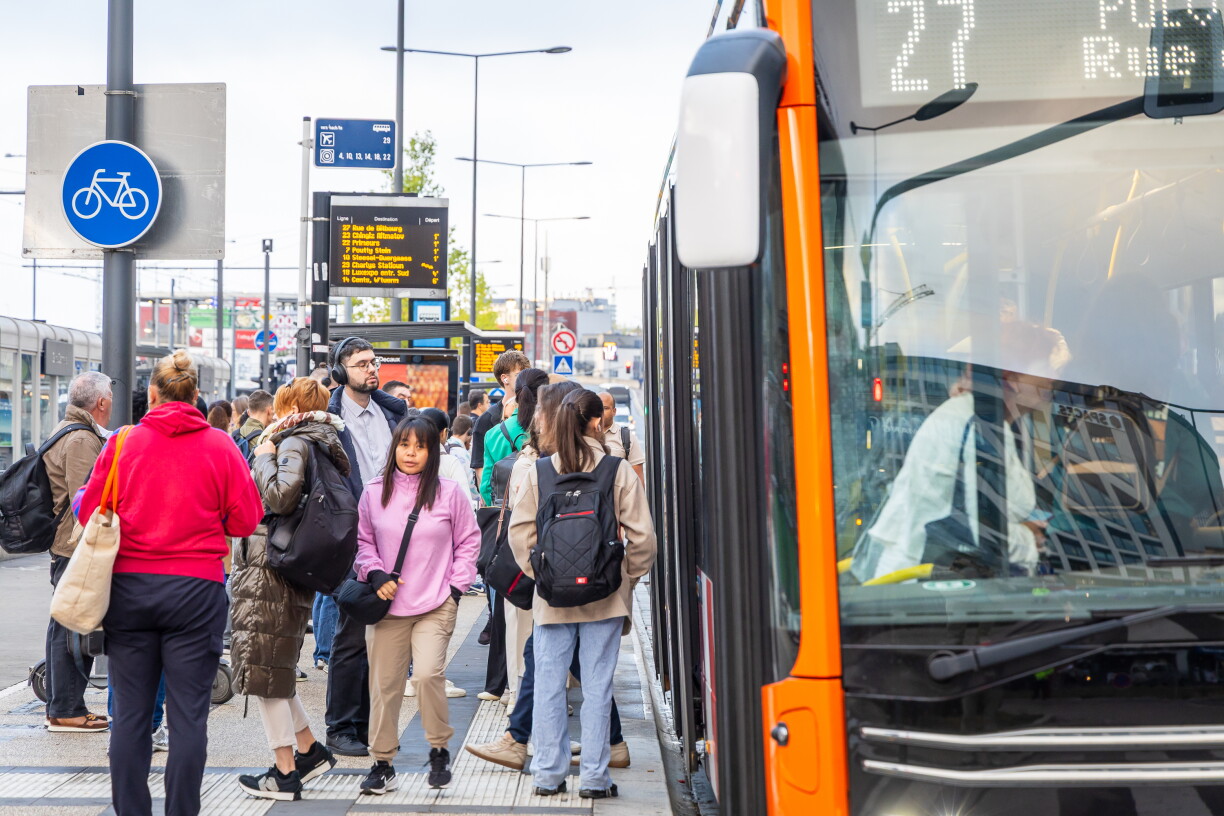
Bausch observes that transport was made attractive to car users for decades after the Second World War. He attributes the tram’s success to its dedicated track, which allows for three-minute intervals during peak hours and avoids interference from other traffic. He notes that people enjoy using it because there are no obstacles, arguing that attractive, reliable services are essential to encourage a shift away from private cars.
Bausch acknowledges the surge in cycling but warns that infrastructure must keep pace. Without dedicated bike lanes, cyclists may end up competing with pedestrians, which can be dangerous. He emphasises the need for proper cycling infrastructure, or at least neighbourhood streets where car speed is strictly reduced, for instance, to 30km/h, which makes cycling safer. He explains that by providing secure, dedicated infrastructure, people, including families with children, will feel more confident cycling in the city.
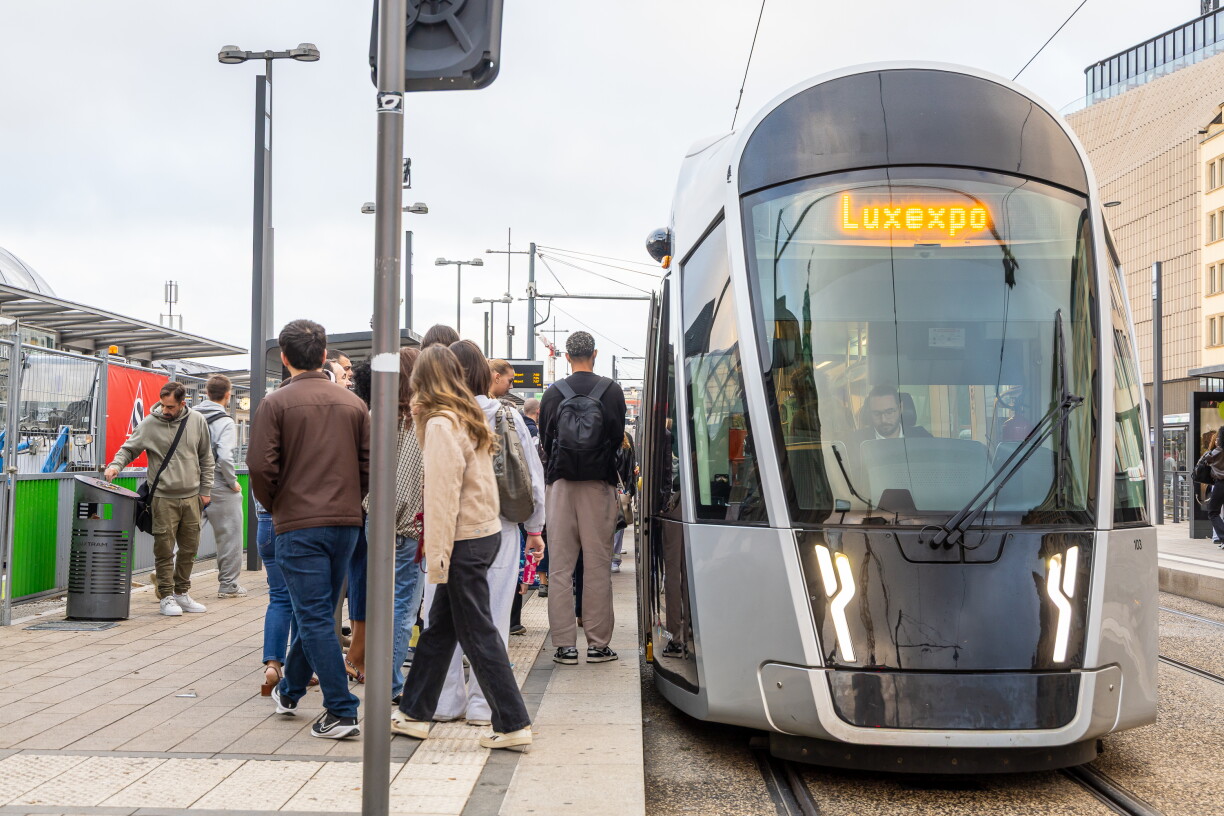
Asked about tram extensions, Bausch emphasises his strong support for this initiative, which was already included in the 2035 mobility plan. He highlights the potential of extending the tram to Belle Étoile and Mamer, noting the high population and number of jobs in Strassen and Bertrange. He also points out that running the tram along Route d’Arlon will reduce space for cars and discourage unnecessary through-traffic, creating a more pleasant environment, as seen on Avenue de la Liberté after similar changes.
Bausch concludes by urging current decision-makers to continue implementing the national mobility plan and to avoid hesitation, as there is no time to lose. He stresses that all planned projects, from tram and rail extensions to carpooling initiatives, must be completed by 2040. He also sees opportunities for rural areas, with mini autonomous buses connecting people to train stations. Bausch warns that the time to enact those plans is now or never, stressing that the next 15 years will be decisive.





