The so-called fake president scam has become all too familiar in Luxembourg, especially since the Caritas charity fell victim to this sophisticated fraud, losing more than €60 million. While that case remains the most high-profile example, recent events show that scammers continue to target a range of sectors in the Grand Duchy, as a failed attempt at a Luxembourg bailiff’s office illustrates.
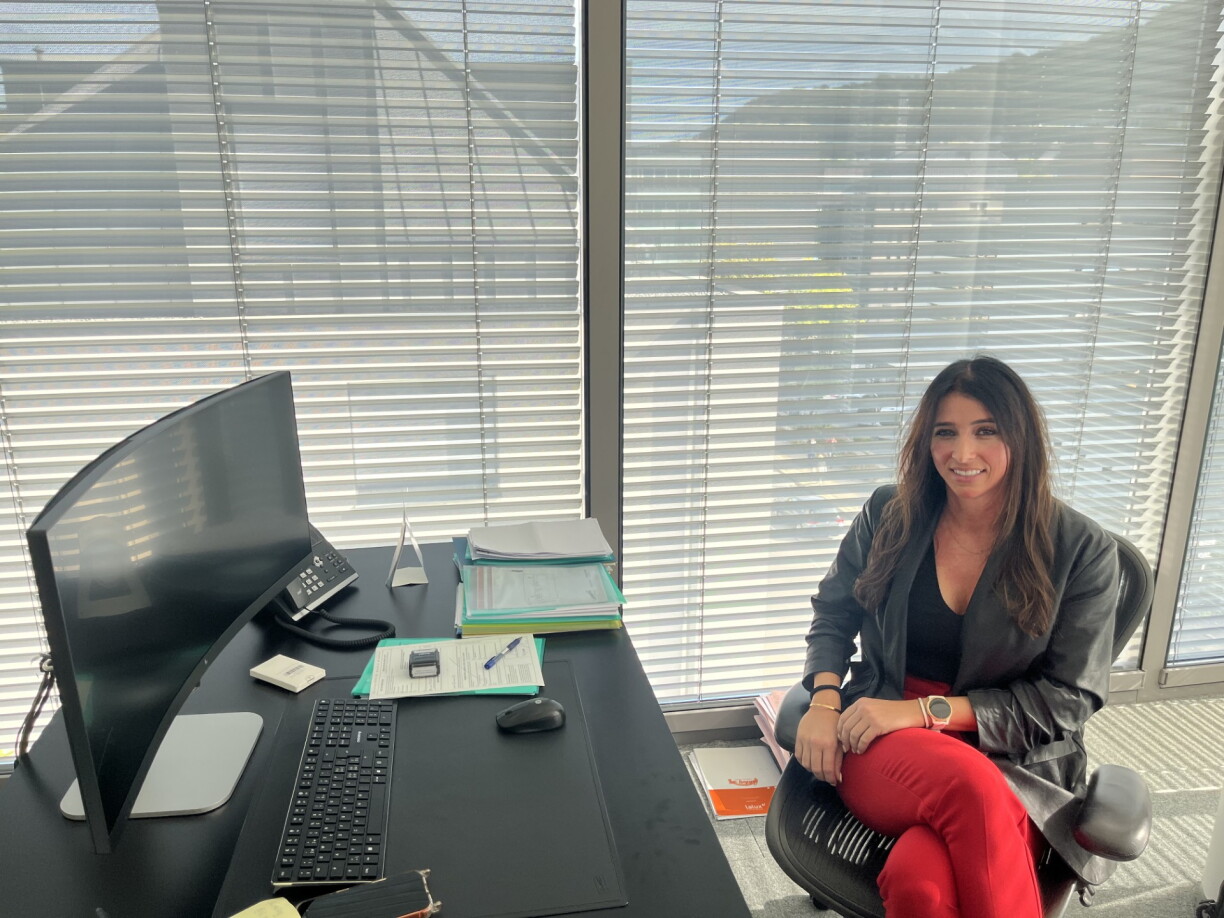
The recent incident involved the office of bailiff Christine Kovelter. According to Kovelter, the attempted scam began with a phone call one morning from a man using a French number. The caller asked to speak with an accountant about a "highly confidential matter", introducing himself as a prominent lawyer from a well-known French legal office, a name and firm that both exist in reality.
The fraudster’s aim was to access a staff member’s personal email address. After denying that any email had arrived, the caller managed to convince the French-speaking accountant to share her details. Shortly afterwards, she received an email in French that appeared to be from her manager. While the sender’s name matched the official office address, a closer look revealed the real sender was using a different email account, cleverly disguised. The message instructed the accountant to transfer a five-figure sum to a specific account.
According to the email’s instructions, the transfer was supposedly linked to the acquisition of a company. The accountant was told that, for reasons of confidentiality, communication should only occur via her personal email. She was further designated as the only point of contact for this supposed transaction.
The fraudster followed up with more phone calls, applying pressure and sending another fake email, allegedly from the manager, insisting that the transfer be made immediately. When the accountant explained that she could only transfer a limited amount, the caller’s tone turned aggressive, proposing several alternative options to get around the office’s internal safeguards.
It was at this point that staff at the bailiff’s office became suspicious, especially given the increasingly aggressive behaviour of the caller. They stopped the process and managed to avoid making the transfer. Christine Kovelter, who was unreachable that morning, only learned of the attempted fraud later that day. Such a loss would have had serious consequences, she said, as the office often holds funds on behalf of clients, including money earmarked for paying off debts.
Kovelter noted that this was not an isolated case in the sector. The day after the attempted scam at her office, a similar attempt targeted a colleague in another Luxembourg office. She says the experience has made her and her staff even more vigilant, and she has now filed a complaint with the police.
The fake president scam remains a persistent threat in Luxembourg, affecting not only large organisations like Caritas but also smaller offices and professionals across different fields.





