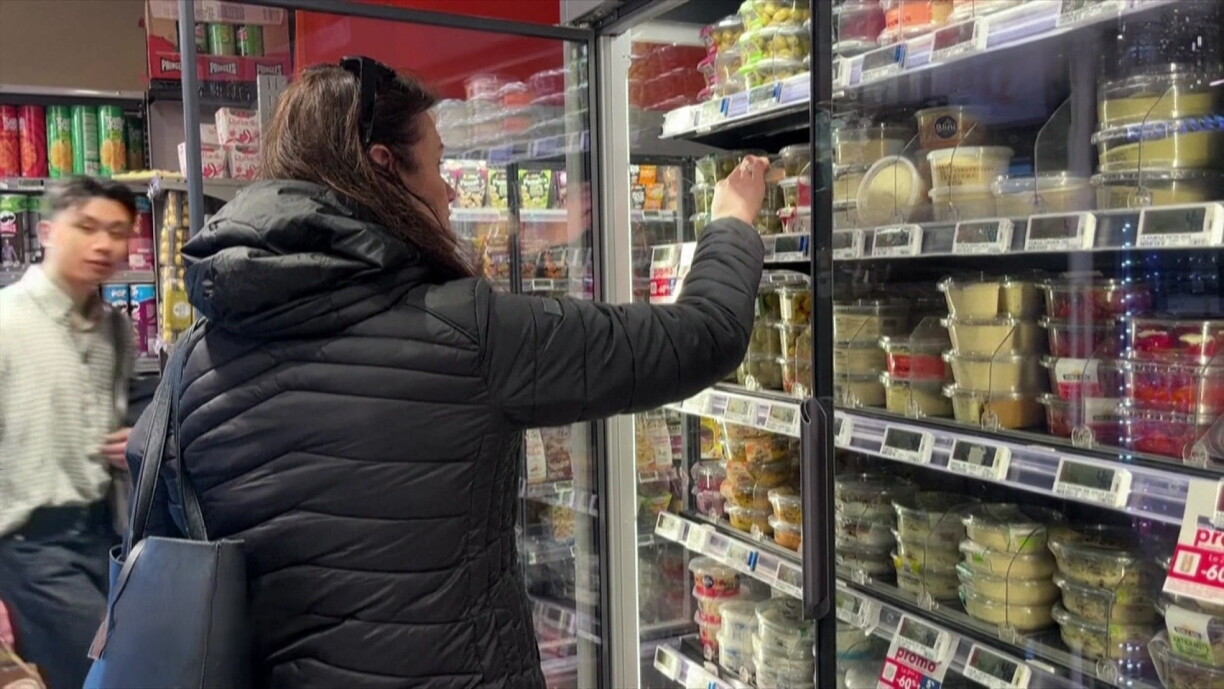
The products being recalled in Luxembourg range across the board. The same goes for the brands, whether at the cheaper or the more expensive end of the shelf. This week it was parsley and lentil salad, last week shrimp, various salads, and pumpkin seeds. Food products are pulled from shelves in Luxembourg, either due to foreign bodies or bacteria such as E. coli or listeria. In 2024, there were over 200 such recalls. What does that actually mean? Should there be cause for concern, or are these recalls the result of tighter controls? RTL put the question to the Luxembourg Veterinary and Food Administration (ALVA).
The good news, said Jeremy Neves of ALVA, is that there is no need to worry. The fact that more alerts are being issued, he explained, shows that companies are running plenty of checks and that the authorities are running plenty of checks too. That, he added, is a sign that the system for ensuring consumer safety is working better than before.
No brand, Neves noted, is immune to problems. It merely shows that plenty of checks are being carried out, and that something can always come to light. Whatever the issue, ALVA takes any potential danger to consumers very seriously. Whether it is a foreign body or a microbiological concern, Neves said, ALVA tries to issue a warning quickly. In order not to cause unnecessary panic or worry people, the agency tries to triage cases according to the level of vigilance required, and to inform the public in a way that lets anyone who has bought the product take it out of the cupboard or the fridge.
Consumers can reach ALVA via the food safety portal at securite-alimentaire.public.lu. There, Neves said, users can sign up for the newsletter to be alerted by email. The agency can also push out such information via the LU Alert system.
Information on cases such as this week's E. coli detection on parsley or the glass shards found in a lentil salad is also passed on to the press, to reach as many members of the public as possible. ALVA also notes that it is not only companies, producers and authorities that can report problems. Consumers themselves can also flag concerns about a food product through the agency's website.





