
This means that both vendors and consumers need a lot of patience when ordering a new bike. Our colleague Jeannot Ries from RTL talked to former pro racer and shop owner Edy Schütz about how the industry has changed in recent years.
Schütz fondly recalls a time when bike parts were still mostly produced in Europe, which meant that he could personally drive to France or Italy to stock up: "At the time, we knew the director of every factory personally. When there was a delivery issue, we would simply drive down ourselves and get the parts."
Times have changed, however. Last year, only one in two bikes sold in Europe was actually built on the continent. About 95% of parts, including breaks and gears, are now produced in and imported from Asia. Orders can only be completed via email and have to be done well in advance.
Schütz commented: "We don't know anyone personally. After I made my order at the beginning of the year, I suddenly received a notification that certain bikes cannot be built, given that the necessary parts are lacking."
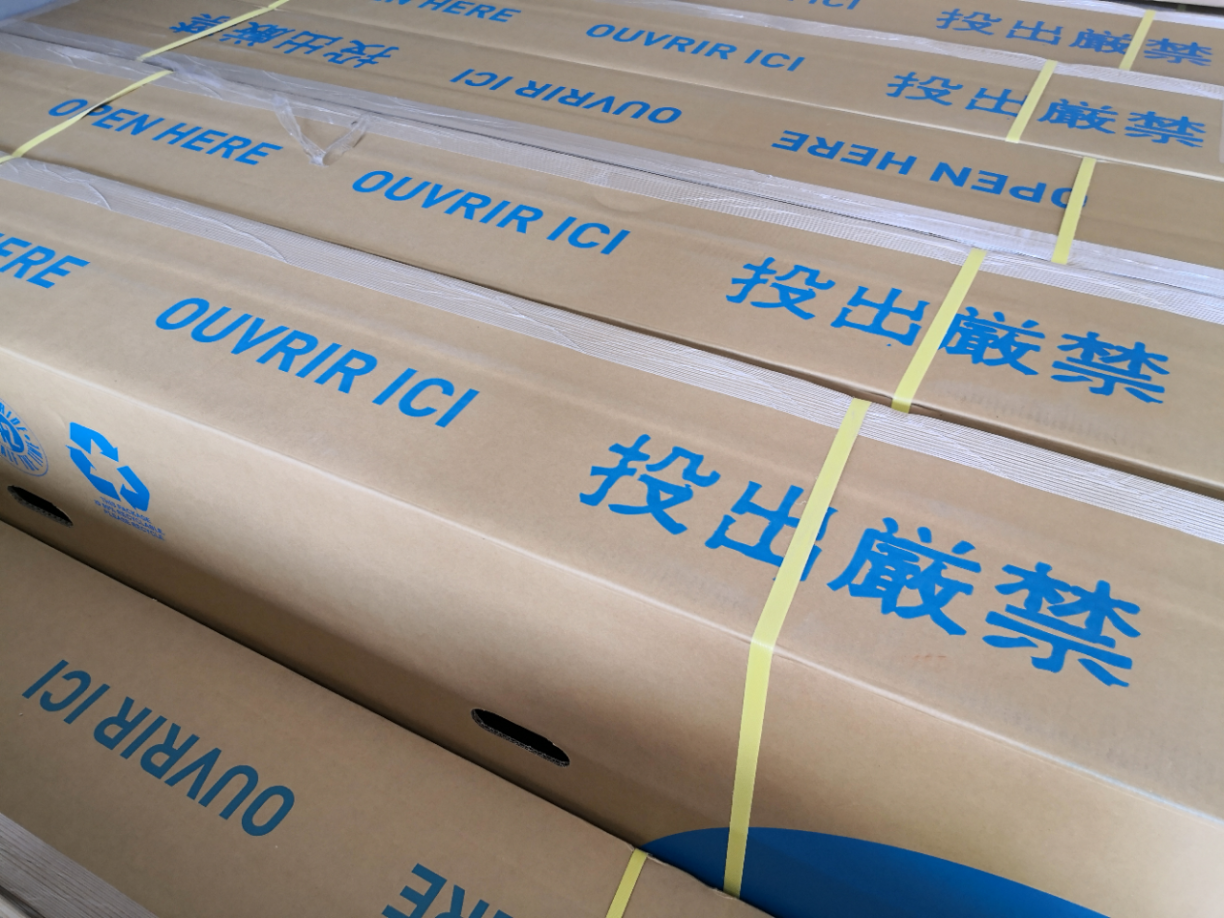
Back in the days, all individual parts used to be connected in the shops by owners and bike mechanics like Schütz. Today, only fine tuning is left, while most parts are delivered via shipping containers from Asia. The former road racer explained how such changes have begun creeping in since the 1980s: "Unfortunately, it cost us the entire job market in Europe."
The first major bicycle boom that brought about these changes was caused by an increasing popularity of bikes in the United States. As a consequence, Taiwan, China, and Malaysia drove up their production rates, which eventually lead to the current supply issues caused by Covid-19 outbreaks in these respective countries.
French company Mercier is now trying to react to the growing problem and start relocating production to the wider region. However, until now, the French government has not yet shown sufficient support for the idea and implementation to help make it happen.





