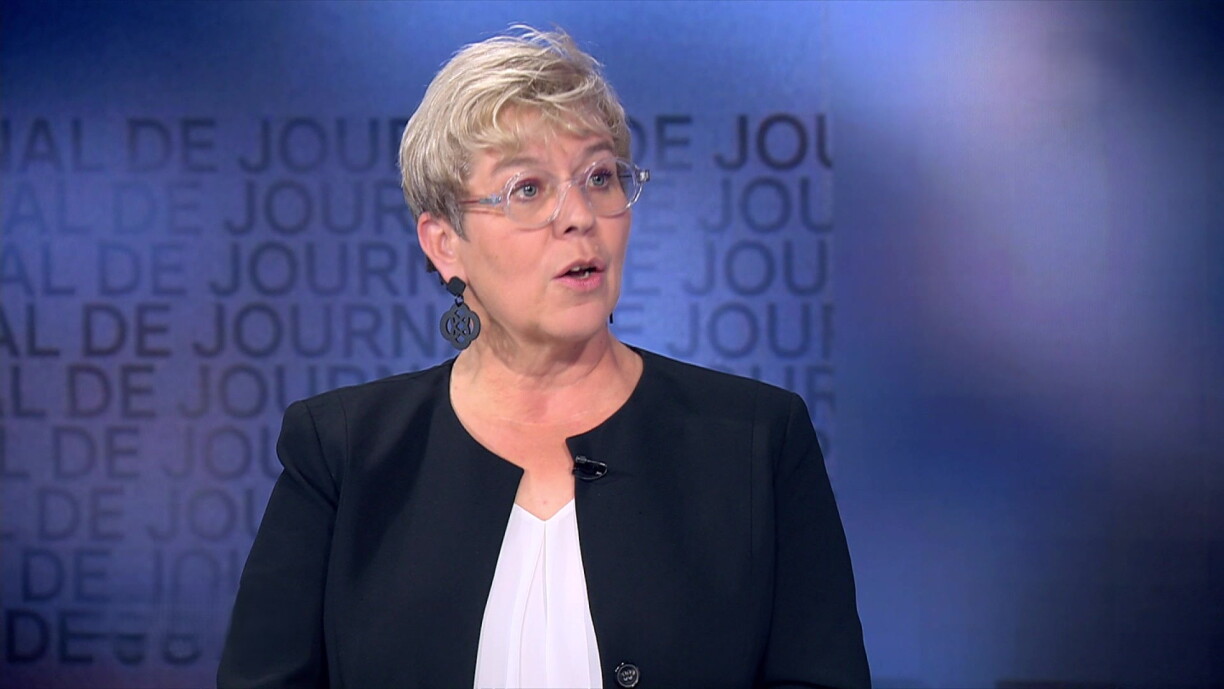
Martine Deprez has rejected accusations of hypocrisy. She remains committed to the working groups bringing together stakeholders from the healthcare sector, and insists that the convention-based healthcare system is not being called into question.
On Wednesday morning, speaking to RTL, Dr Chris Roller, president of the Luxembourg Association of Doctors and Dentists (AMMD) took aim at, among other things, the amount of time being lost in these working groups and what to him is a lack of willingness to engage in dialogue. The minister, for her part, maintains that a distinction has to be drawn between the working groups themselves and the convention between the National Health Fund (CNS) and the country's doctors.
The parties, Deprez pointed out, had agreed to move forward with the working groups. Since January, the groups have been working on questions ranging from access to healthcare and waiting times to the organisation of emergency services. A review of where each of the various files stood took place on Wednesday.
In response to the charge that time had been wasted, she said this was "a matter of opinion". Work had already been done in the various groups, she added, and that work now continues.
After the government transposed the provisions of the expired convention into a Grand Ducal regulation, the question arises as to whether a new convention is even needed at all.
For the minister, the answer is clear. A convention remains an important instrument, she said, since it allows for "relatively quick" adjustments to be made whenever issues crop up between the CNS and doctors. A Grand Ducal regulation, by contrast, would have to go through a lengthy legislative procedure.
At the same time, Deprez sought to reassure patients. "Nothing changes for the patient", she said. The compulsory elements of the convention had been carried over into the Grand Ducal regulation, meaning that reimbursements would continue to work as before.
She also pushed back on the accusation of breaking a promise. The coalition agreement, she noted, states that "convention-based medical care will be maintained". The government, however, also intends to go further and improve the system, for instance when it comes to waiting times and patient care within the healthcare system.
Another sticking point remains the question of doctors' fees for first-class hospital care. The Luxembourg Socialist Workers' Party (LSAP) had voiced regret that the government had missed the chance to do away with those higher rates in the new regulation.
Deprez, however, said this was "not on the agenda". The task had been to transpose the convention into a Grand Ducal regulation, not to renegotiate individual provisions. She also pointed out that the debate over these rates was nothing new, since it had been running since the introduction of on-call and standby duties, and could have been picked up in previous years as well.
Despite the AMMD president's gloomy prediction that there would never again be "such a convention", the minister remains upbeat. Under the Social Security Code, service providers are required to negotiate an agreement with the CNS. Her hope is that, following the reforms and the work of the various working groups, "perhaps an agreement" can be signed once more.





