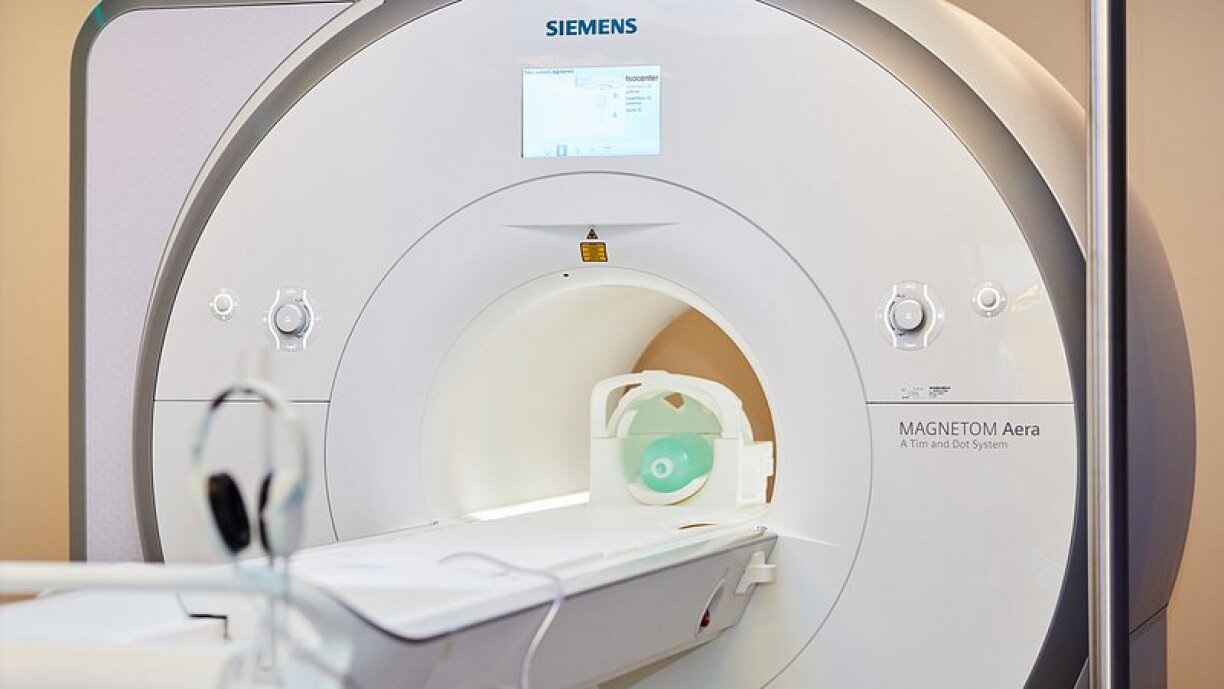
Lenert had explained in an interview that the 2018 hospital law created a monopoly for hospitals in relation to MRIs, which was why she had prevented a medical centre on Potaschberg from acquiring such a device.
But according to André Lutgen, who has dealt with a similar case in the past, this is incorrect.
In a 2019 decision based on the law regulating doctor's offices, first the constitutional, then the administrative tribunal had concluded that preventing the use of medical devices in a private practice limited a doctor's free exercise of their profession. In that case, the Ministry's refusal of Dr. Renzo Del Fabbro's request for his practice on Ban de Gesperich had been unlawful according to the courts.
The same type of request from the Potaschberg practice is now being refused on the basis of the more recent law governing hospitals. For André Lutgen, this is not acceptable, as this law has nothing to do with things happening outside of a hospital.
"Besides, for an MRI, you do not require an authorisation from the Health Ministry, but from the Inspection du travail et des mines (ITM)," he adds.
A number of hygiene and medical criteria must be met. The practice on Ban de Gasperich received the necessary authorisation for a scanner and an Xray device, signed by the ITM. RTL has seen this authorisation.
The lawyer suspects the repeated refusals to run MRIs in private practices is due to wishes of the hospital sector and other employee representatives. But this has no legal basis, he says, and there may well be legal consequences to the decision.
Another question entirely is how GP practices can invoice these types of services to patients. There is not currently a tariff covering this.





