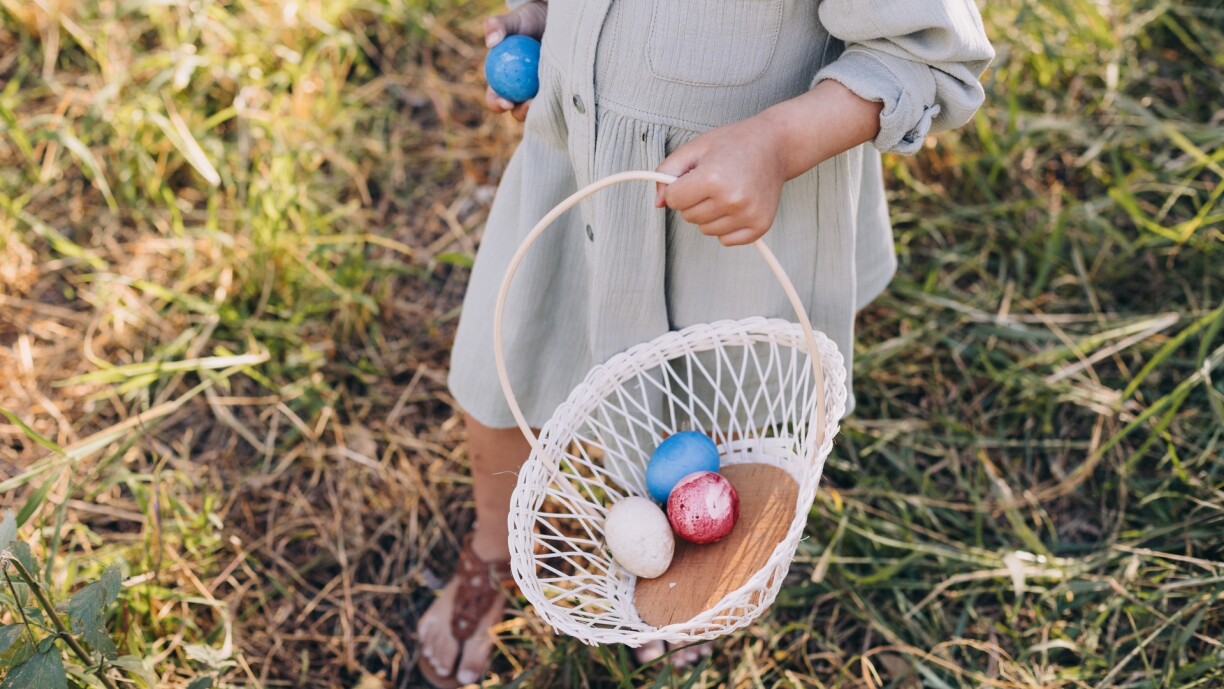
The Bible nowhere mentions a magic hare handing out eggs to children on the day of Jesus Christ's resurrection. So how did rabbits and chocolate eggs become associated with Easter?
The origin of the rabbit is believed to stem from a German legend. According to the tale, a poor woman who could not afford sweets for her children decorated eggs and hid them in the garden. When the children spotted a rabbit, they assumed it had laid the eggs.
According to The Catholic Encyclopedia, numerous pagan customs have become attached to the Easter festival. The egg symbolises the germination that takes place in spring, while the rabbit is a pagan symbol long associated with fertility.
The story likely dates back to ancient pagan traditions, particularly the festival of Eostre, which honoured a fertility goddess. The animal associated with this goddess was the rabbit – a traditional symbol of fertility due to its high reproductive capacity.
In the 18th century, German immigrants introduced this tradition to the United States, bringing with them the story of an egg-laying hare called Osterhase. According to legend, this rabbit left colourful eggs for well-behaved children, who would build nests for it to leave its eggs in.
As in most European countries, the Easter bunny – known as the Ouschterhues in Luxembourg – and its eggs are an integral part of Easter celebrations in the Grand Duchy.
Other traditions also exist, such as that of the rattle-players, or Klibberen. Since the church bells fly to Rome after Maundy Thursday mass to receive the Pope's Easter blessing, it falls to the village youth to call the faithful to prayer using their Klibber (rattle).
Another Easter tradition in Luxembourg is, of course, the "Eemaischen" which takes place in the historic centre of Luxembourg City and in the village of Nospelt. The "Eemaischen" is primarily a traditional festival, well known for its Péckvillchercher – a type of terracotta bird that flawlessly mimics the song of the cuckoo.





