Postponed indexation supports employers, while the loss of consumer buying power will be compensated with tax credits and reduced fuel prices. While there are some measures aiming at energy transition towards renewables, there is nothing looking at saving energy.
Only Lithuania has categorically stopped importing Russian gas. The EU-wide dependency on Russian energy is helping to finance the war in Ukraine. According to Eurostat, in 2019 the EU imported 27% of its petrol from Russia, 47% of coal and other solid fuels, and 41% of its gas. Switching to more electric energy is also not an immediate solution, as most of our electric power is still generated using fossil fuels.
But there have been few calls to reduce energy consumption. While Germany has discussed reducing speeds on their motorways and Belgium is incentivising cycling to work, most of these initiatives are extremely unpopular. They are deemed unequally distributed, while some sectors cannot do this from one day to the next. With temperatures going up for summer, there will be natural savings for a few months.
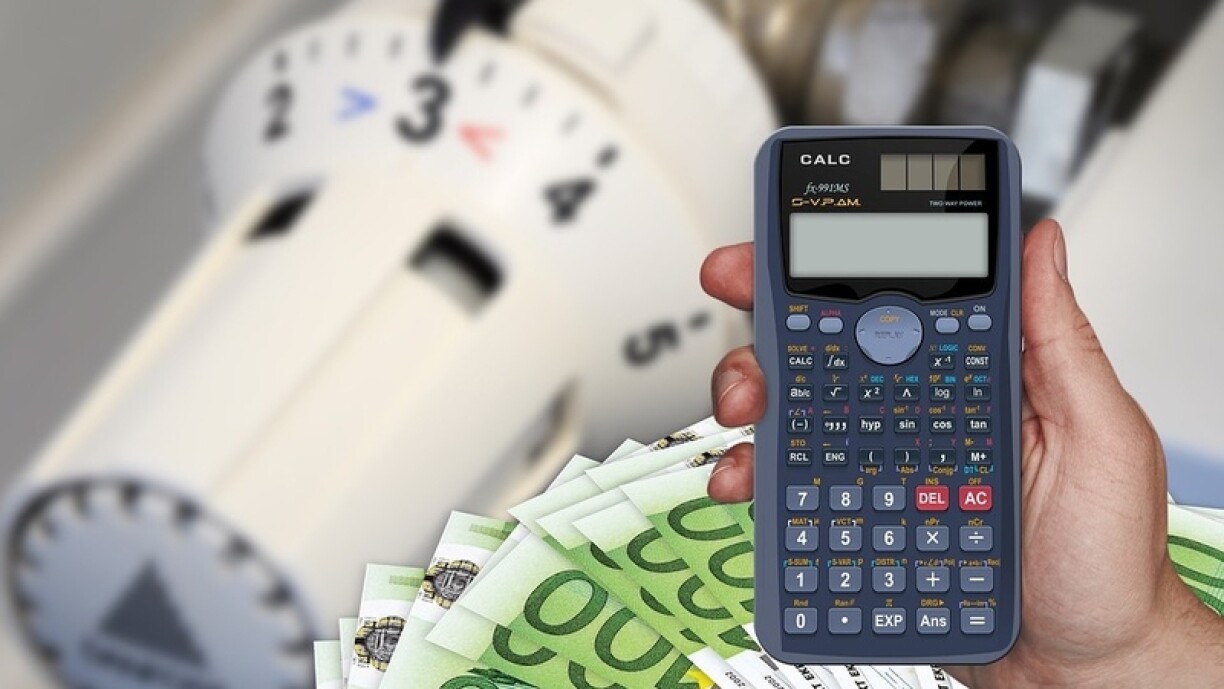
But it is unlikely the energy crisis will be over by autumn. The government is apparently planning an awareness campaign with some useful tips. But why not start now? The International Energy Agence – where Luxembourg is a member – last month approved a 10 point plan advising countries to reduce maximum speeds or encourage remote work. Other reflexes such as turning down the thermostat, remain valid of course. Not just for the energy crisis, but also the climate crisis.





