
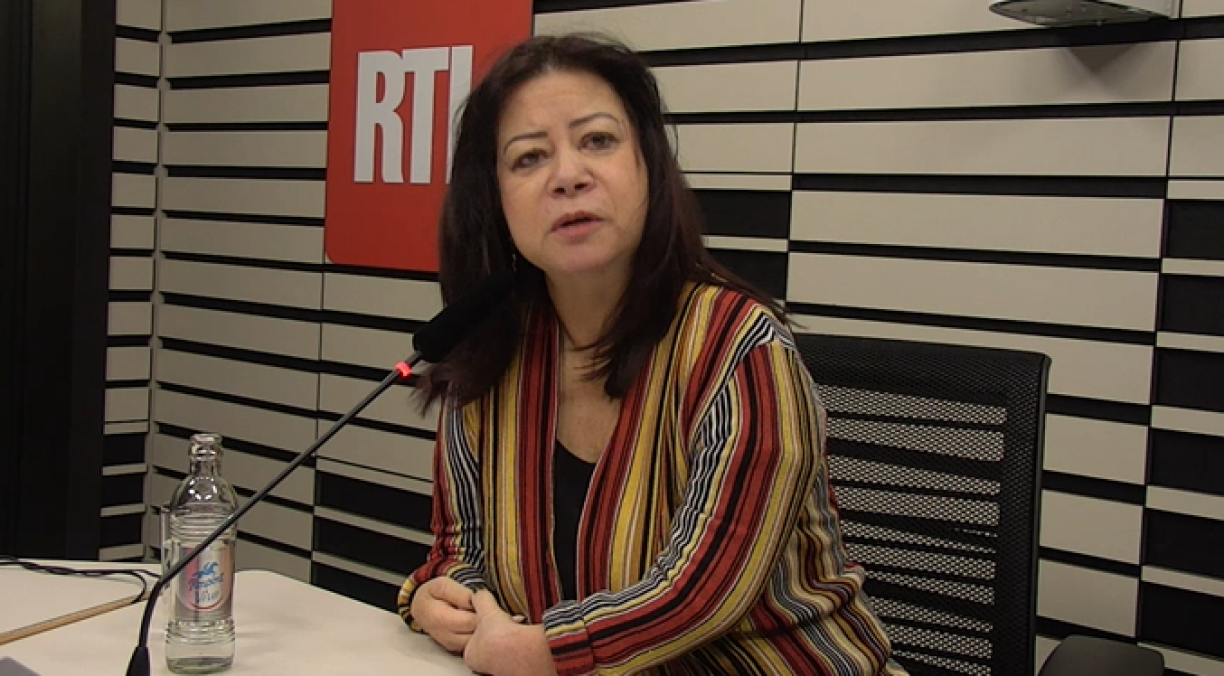
On the frontline, between citizens and administrations, Claudia Monti sees on a daily basis how the coronavirus crisis is impacting Luxembourg's society and increasingly jeopardising the lives of those who were already less well off before the pandemic broke out.
During an interview on RTL Radio on Tuesday morning, the Ombudsman stated that the seriousness of the situation is unequally divided among the different sectors. Monti explained that the Horesca or hospitality sector was particularly exposed, and that people who were already in a vulnerable situation were now even more affected.
She went on to cite examples of those who were already vulnerable, yet even more in need of personal contact today: someone who needed a social worker, who had to go to Stëmm vun der Strooss for a meal, who needed help with over-indebtedness, or who had to go to the National Solidarity Fund, the Housing Fund, or the employment office.
Teleworking worked very well in some sectors but was impractical for social work. Monti explained that it was just not possible to ask a social worker to do a survey via teleworking or to explain how to fill in a form via videocall. Monti knows that digitalisation "is very modern" but in reality "not everyone knows how to use it well" and human contact was "extremely important" for some people.
This was the first lesson she learned from her experience of managing citizens' grievances in times of Covid-19, Monti stated. This crisis had shown her how important human contact was.
She therefore called for hotlines to be set up wherever necessary. Some administrations and municipalities have already done so. It is important to offer people with insecurities a "human presence".
The number of cases dealt with was just as high as a year ago, but the crisis has in fact exacerbated more sensitive issues such as housing emergencies, or the problems faced by those in need of social assistance. These problems were being felt more, noted the Ombudsman.
Problems related to the various government subsidies were also emerging. As a result, the Ombudsman's office was "very often the door to be knocked on when nobody picks up the phone and when people don't know how to do it anymore". Monti concluded that her office had become a sort of helpline.
What was difficult to live with in this crisis was the lack of perspective, Monti explained. All the questions relating to the employment office, unemployment, and short-term work came up frequently. Many requests concerned the Housing Fund.
Monti stated that people were aware that it took a little longer, but their patience was limited. After that it would get harder, especially when people were dependent on help. They would like to have a perspective, that was the main concern, Monti said.
She stressed that it was very important not to exclude certain people in the future. She pointed out that prison visits continued to take place, whereas in nursing homes or in similar facilities they were not.
Monti stressed that this was a situation that needed to be remedied. After all, her mission is to receive complaints from citizens when they come up against the bureaucracy of state or municipal administrations and no longer know who to turn to.





