Unexpected return as Green deputy
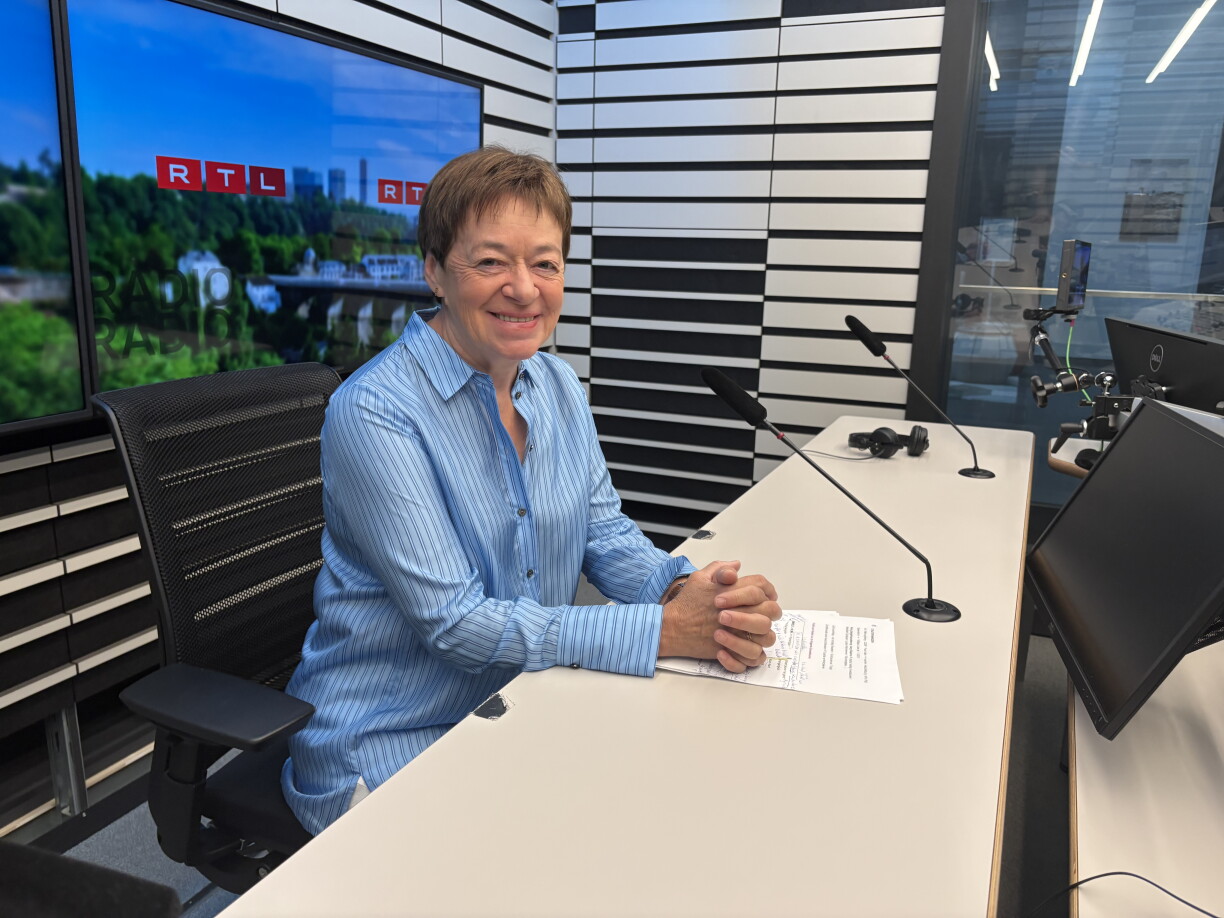
Josée Lorsché is set to re-enter Luxembourg’s Chamber of Deputies in October, following Joëlle Welfring’s move to the European Investment Bank (EIB). Lorsché, who previously served as an MP and is currently the first alderwoman in Bettembourg, says she had not anticipated returning to national politics.
Lorsché emphasised that her acceptance of the parliamentary mandate was not intended as criticism of Welfring or others who step down mid-term, instead emphasising Welfring’s commitment and hard work during the three years she served as deputy. Lorsché also stated that, should she be asked, she would consider standing again in the next parliamentary elections, stressing though that she does not intend to push herself into a top position, nor does she want to be a lead candidate again.
Balancing municipal and national roles
Lorsché will continue as first alderwoman in Bettembourg, where she is part of a coalition with the CSV and DP. Referring to the challenge of holding both local and national mandates, she acknowledges that it is a lot of work, but remains confident that she will be able to take on both responsibilities. Asked whether she looks forward to her national political comeback, Lorsché called the task both a challenge and an honour, adding that returning to the opposition would also be an interesting new experience for her.
However, Lorsché made it clear that media appearances are not her priority. Instead, she wants to focus on her work in the parliamentary commissions and immerse herself in her newly assigned files.
Policy focus: health, environment, and the Greens’ future
Lorsché is expected to take on health issues in the Chamber, an area in which she has considerable experience since 2011. She pointed out that she had previously worked on education and health, both nationally and as school affairs head in Bettembourg.
Reflecting on the Greens’ recent electoral setbacks, dropping from nine to four deputies in the last national elections, Lorsché stressed the importance of focusing on strong, substantive contributions. She highlighted Sam Tanson’s critical perspective on the government, particularly on budget matters, and argued that the party is currently well positioned both in terms of personnel and content.
On the growing prominence of environmental matters in other parties’ platforms, Lorsché welcomed the development, stressing that it requires cross-party cooperation to protect society, including its most vulnerable members, from climate change.
Regarding policy continuity, she noted that she welcomes government decisions to extend or expand environmental measures initiated under previous governments, such as support for photovoltaic systems and heating pumps. However, Lorsché warned that local government autonomy remains an important pillar and that details of new regulations, such as unified building codes, must be closely analysed to avoid undermining municipal powers.
Turning to health policy, Lorsché criticised the slow pace of reform, especially regarding the modernisation of the medical nomenclature and system efficiency. She sees the current dispute between doctors’ associations and the CNS is merely “the tip of the iceberg in a system that missed the chance to modernise”. Lorsché argued for a more coherent patient journey, less duplication, and reforms that do not encourage a two-tier health system, reiterating the Greens’ position that conventions should ensure equal access to care for all patients.
Looking ahead: prioritising substance over show
Overall, Josée Lorsché's return highlights an emphasis on content, continuity, and pragmatic adaptation to new realities, both for her personally and for the Greens. While she acknowledges the importance of communication in today’s politics, Lorsché insists that genuine political work happens behind the scenes.





