Wednesday morning brought a victory for the trade unions on how working hours are organised under collective agreements.
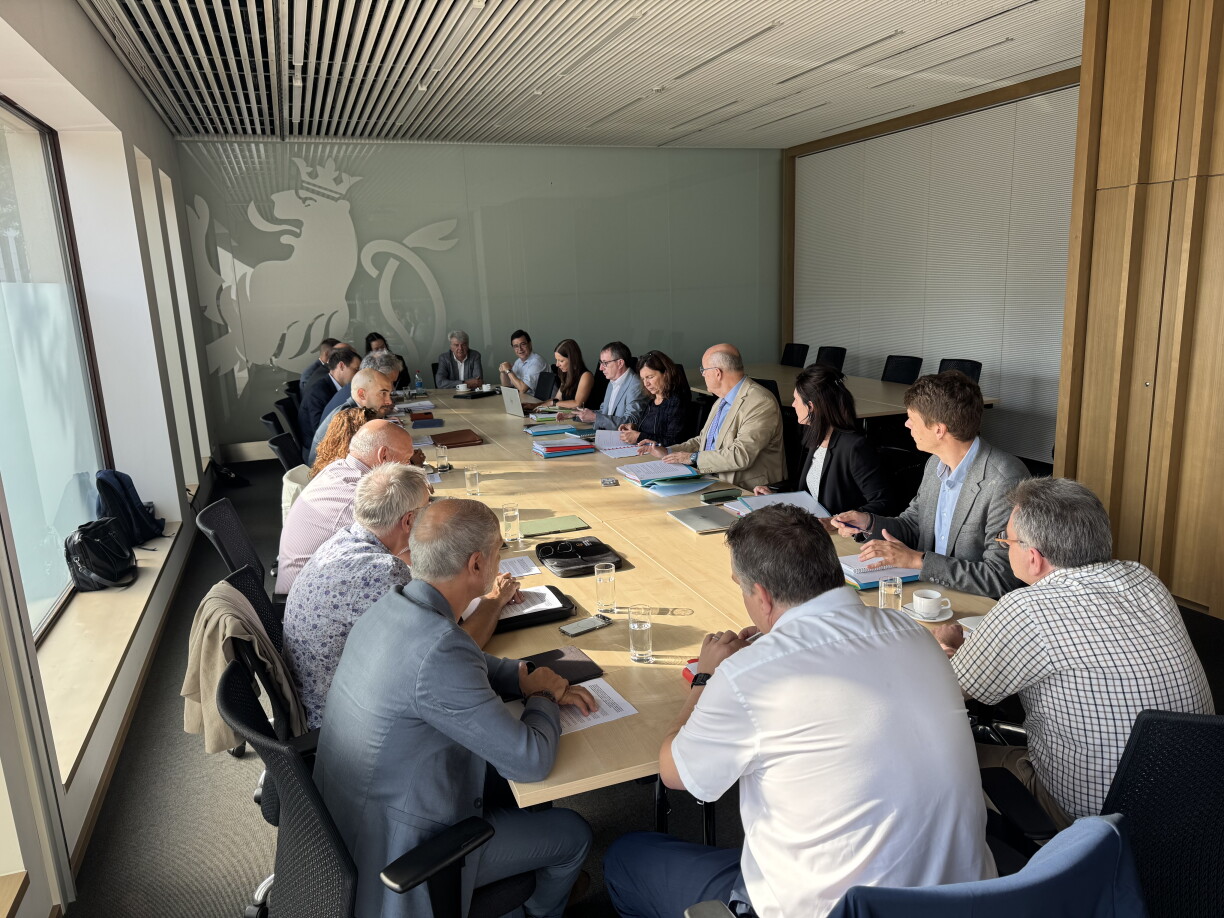
At a meeting of the Permanent Committee for Labour and Employment (CPTE), Labour Minister Marc Spautz (CSV) proposed that greater flexibility in working hours must be negotiated within the framework of collective agreements.
Under the draft measure, employees could work four 10-hour days instead of the current five-day, eight-hour week.
Maximum weekly working time could also be reduced from 44 to 35 hours, workers would be entitled to two breaks instead of one, and there would be greater flexibility for part-time staff, allowing them, for example, to work significantly more hours one week and fewer the next.
Spautz made clear that labour law itself would not change on these points. Instead, any new flexibility would have to be agreed with the unions through collective agreements rather than imposed unilaterally.
The proposal is a major shift from two years ago, when Spautz’s predecessor and party colleague Georges Mischo sparked a major dispute between the government and the social partners by attempting to remove working time arrangements from collective agreements.
Unions warned at the time that the move would undermine the entire system of collective bargaining.
The Union of Luxembourg Enterprises (UEL), then led by Michel Reckinger, had also argued that working time should be negotiated directly between management and staff representatives at company level through so-called company agreements, effectively bypassing collective agreements.
The UEL’s new president, Marc Lauer, did not attend Wednesday’s meeting. The employers’ federation was instead represented by its managing director, Charlotte Junck, reportedly because of a recent reorganisation within the UEL.
The social partners will now take the proposal back to their respective bodies for further discussion.