A key component of the recently unveiled tripartite agreement is a significant increase in the minimum wage, set to take effect in two stages next year through a degressive tax credit. This measure will ultimately raise the minimum wage by a total of €119, at a cost of €120 million, making it one of the primary expenditures of what the government has labelled the "resilience package".
The government’s decision to raise the minimum wage exclusively via a tax credit, rather than through direct employer contributions, was driven by concerns that businesses, many of which had already voiced their opposition to structural wage increases earlier this year, could not sustain additional financial pressure. In parallel, the Independent Luxembourg Trade Union Confederation (OGBL) and the Luxembourg Confederation of Christian Trade Unions (LCGB) had made it clear during the Senningen negotiations that they would not endorse any deal that did not include further improvements to the minimum wage. However, the unions were frustrated in March when the government, led by the new Labour Minister, acted unilaterally on this issue.
Under the plan, the tax credit for minimum wage earners will rise from €81 to €179 on 1 January, and then to €200 by July 2027. Combined with a 3.8% index-linked adjustment, this results in a net increase of €200 for minimum wage earners. The tax credit is designed to phase out gradually for those earning up to €3,600 gross per month.
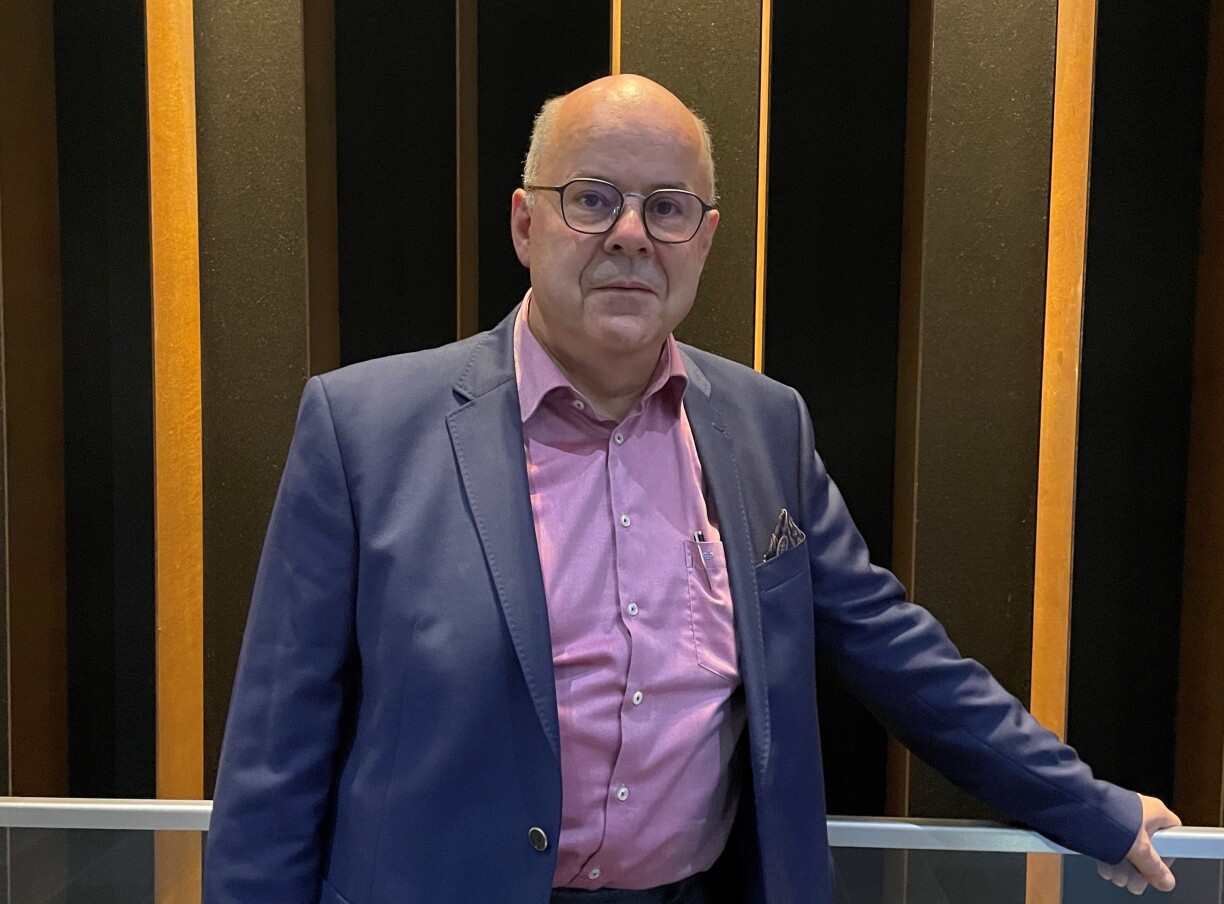
While this change narrows the gap between the unskilled and skilled minimum wage, previously set at 20%, Minister Spautz does not believe it will demotivate workers from seeking further qualifications. He argues that efforts should instead focus on making careers in skilled trades more attractive, through better salaries and working conditions. He also notes that the professional chambers share responsibility for promoting such opportunities.
No date has yet been set for the first meeting of the "Comité permanent du travail et de l'emploi" (CPTE), which brings together labour unions and employers to discuss key workplace issues. Unions have boycotted this body in recent months out of frustration. Minister Spautz says he wants to bring both unions and employers back to the table to jointly decide on the agenda for future discussions. Meanwhile, the Chamber of Deputies is set to hold a consultation debate on working time organisation in July. The Minister’s goal is for the CPTE to reach a consensus agreement on this subject that all three parties – government, employers, and unions – can support.
LCGB President Patrick Dury, writing in the Tageblatt on Wednesday, warned of the risk of renewed social conflict if the government continues to practice what he describes as a "consult, then decide" approach to social dialogue, without deeper engagement with social partners.
The OGBL and LCGB had called for the creation of a permanent tripartite institution and a national reclassification unit as part of the latest round of negotiations. The government has not agreed to these demands. Instead, it plans to create a "Comité de suivi Tripartite" and a "Comité de suivi du logement", monitoring committees for tripartite issues and for housing, respectively. Although lacking legal status, these committees are expected to meet regularly – two to three times per year – to assess progress. The first meeting of the tripartite monitoring committee, chaired by the Prime Minister, is scheduled for no later than October. According to Minister Spautz, it will be important for social partners to contribute to the housing committee’s work as well, in the hope of alleviating Luxembourg’s ongoing housing crisis.





