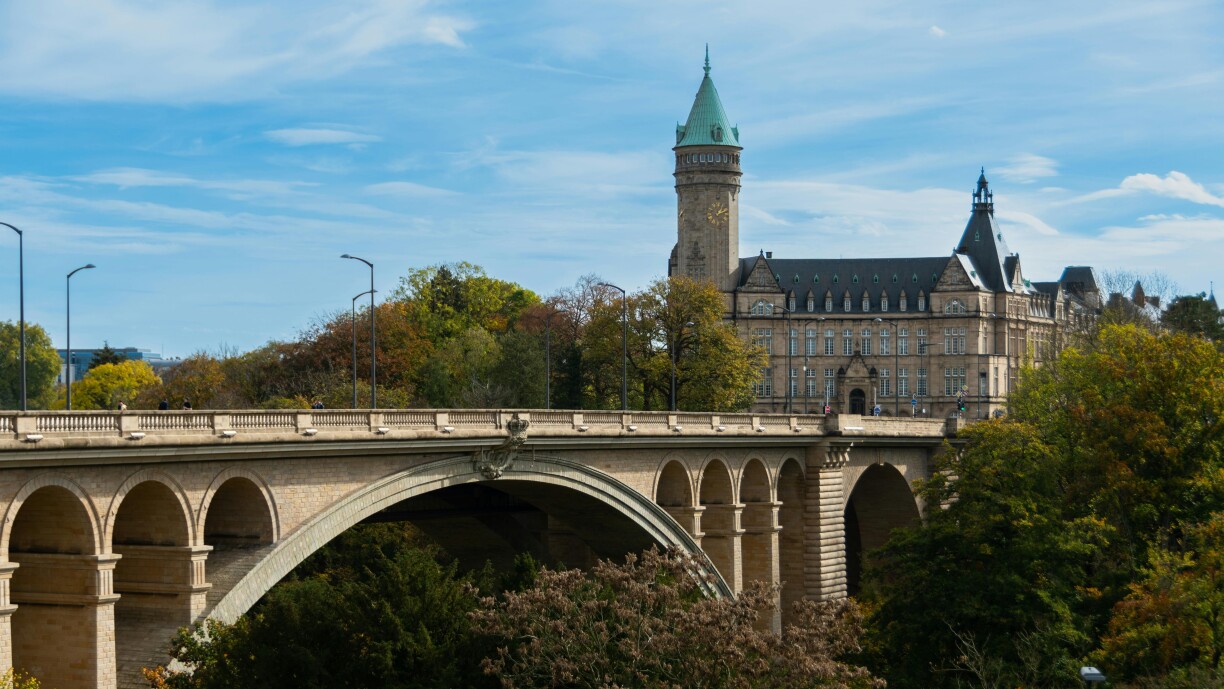
On Tuesday, the management of Luxembourg's state-owned bank Banque et Caisse d'Épargne de l'État, known as Spuerkeess, and the government were called to answer questions from MPs in the parliamentary finance committee. The issue concerned accounts belonging to the International Criminal Court (ICC), which were affected by sanctions imposed under the Trump administration.
Spuerkeess closed the court's two accounts, citing fears that its business with the United States could be jeopardised. The opposition strongly rejects this argument.
The situation stems from arrest warrants issued by the ICC against Israeli PM Benjamin Netanyahu and then Defence Minister Yoav Gallant over military actions in the Gaza Strip. Investigations also targeted US personnel.
President Donald Trump deemed these actions unjustified and responded by imposing sanctions on senior ICC officials – measures applicable on US territory. However, concerns about potential US retaliation extended to Europe, including Luxembourg.
Initially, the ICC transferred around €17 million from its Spuerkeess accounts to the Netherlands. The accounts were then frozen at the end of February this year. Finance Minister Gilles Roth said the situation was far from satisfactory, but stressed that his hands were effectively tied.
He explained that a bank client remains subject to regulatory requirements, and that the Spuerkeess must act in its own interest and in the general interest by applying internal risk assessments. While the broader geopolitical context may be regrettable, this was, in his view, a concrete issue relating to assets held in an account and ultimately to the account itself.
Roth added that the ICC had withdrawn the funds and did not rule out that the account was subsequently closed by mutual agreement.
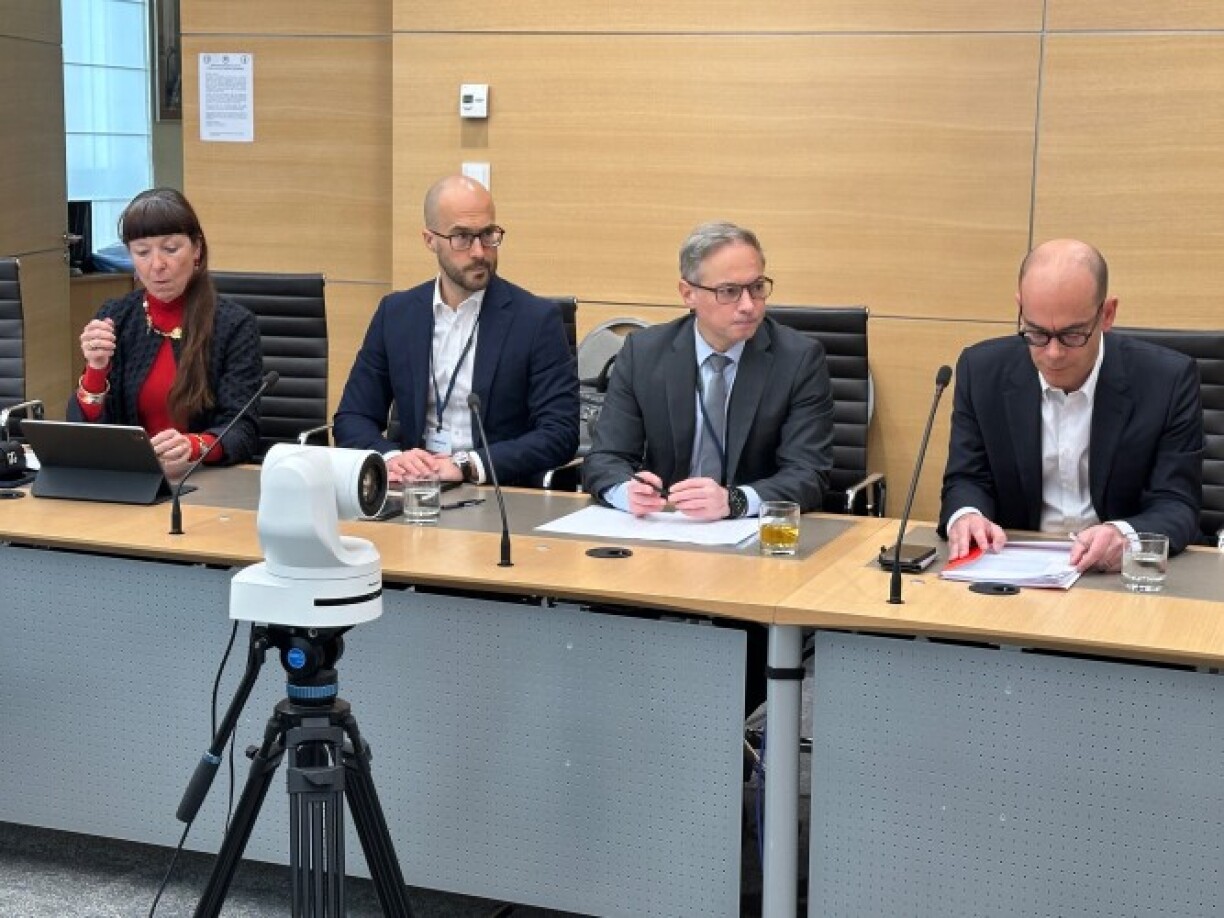
The left-wing opposition in Parliament, which had requested the hearing, rejected this explanation. MP David Wagner of The Left (Déi Lénk) criticised what he described as legalistic reasoning, arguing that Luxembourg had bowed too quickly to US pressure – in contrast to the Netherlands – and warning that the move could damage the country's reputation rather than protect its financial centre.
MP Sam Tanson of The Greens (Déi gréng) also criticised the handling of the case, stressing that the issue did not concern just any client, but an international institution to which Luxembourg has commitments. She argued that the government should have clearly signalled its support for the ICC.
MP Franz Fayot of the Luxembourg Socialist Workers' Party (LSAP) said he would have preferred a different approach, criticising what he described as the government's view of the ICC as an ordinary client whose account could simply be closed in difficult circumstances.
By contrast, MP Tom Weidig of the Alternative Democratic Reform Party (ADR) defended the Spuerkeess, saying the bank had acted appropriately by assessing the risks and noting that the account was not essential to the court's functioning.
MP Marc Goergen of the Pirate Party (Piratepartei) spoke of serious political errors that must be addressed. He pointed to an earlier stage when Foreign Minister Xavier Bettel had been asked for assistance, but a request from the ambassador in the Netherlands allegedly went unanswered.
He added that the Pirate Party has now formally requested access to relevant documents from Parliament, noting that these events occurred well before the Finance Minister became involved. According to Goergen, the Pirate Party considers Bettel to bear responsibility.
It is possible that the matter will be revisited in the parliamentary finance committee.





