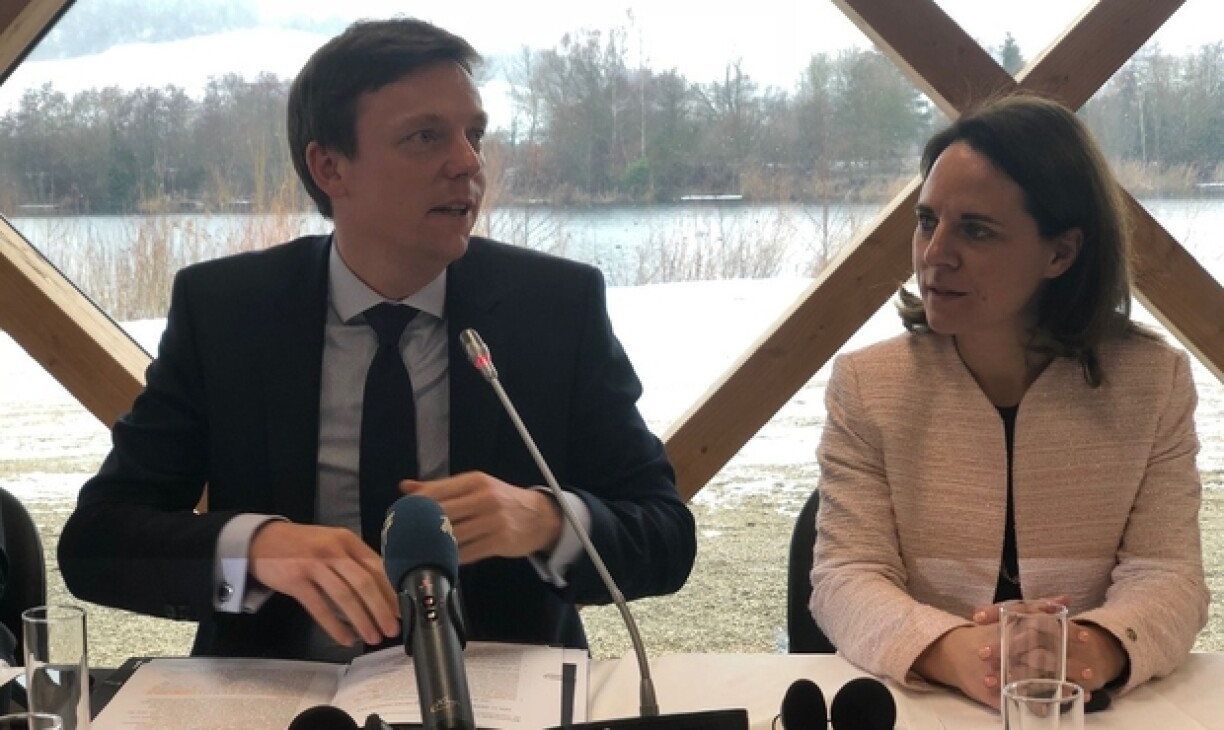
The key tenets of Cahen's speech were relations with citizens, integration, and the development of the Greater Region.
The 100 guests at the summit included prime minister Xavier Bettel and Malu Dreyer, minister-president of Rheinland-Pfalz.
Cahen, who is also Minister for Family Affairs and Integration, highlighted that the focus of the Greater Region over the last few years had been improving prospects for children. She cited the project Digital Kids, which brought children from the Greater Region together to participate in digital activities.
The Greater Region's population stands at around 11.6 million, of which 240,000 cross a border into another region for work daily.
Looking ahead, Cahen explained that the next aim for the Greater Region is to improve mobility and improve the frequency of trains and buses. The government also hopes to collaborate and agree on investments in the road network.
The presidency is currently working on this issue and has asked cross-border workers what improvements they would suggest.


As for improving relationships with citizens, Cahen listed the progress that had been made over the last few years.
Opening the House of the Greater Region, the presidency had striven to organise conferences and inform the public about the Greater Region. Cahen believes the future requires more contact with children and young people in order to foster an interest in the Greater Region.
The biggest challenge for the Greater Region is European cohesion. The motto of the presidency, which passes on to the Saarland region is "An Zukunft komme mir besser virun", meaning 'We will move forward more effectively in the future.'
The Saarland presidency will focus on promoting the European Cross-Border Mechanism (ECBM), which will ensure better cooperation in cross-border projects. The latest Franco-German treaty of friendship will help in this matter n the meantime.
Cross-border cooperation will soon become a positive value for Europe. The minister-president of Saarland, Tobias Hans, hopes to make the Greater Region more visible on a wider European level. He claimed that the Greater Region has become a model for European integration over the last 25 years, but highlighted the need to improve dialogue with young people.