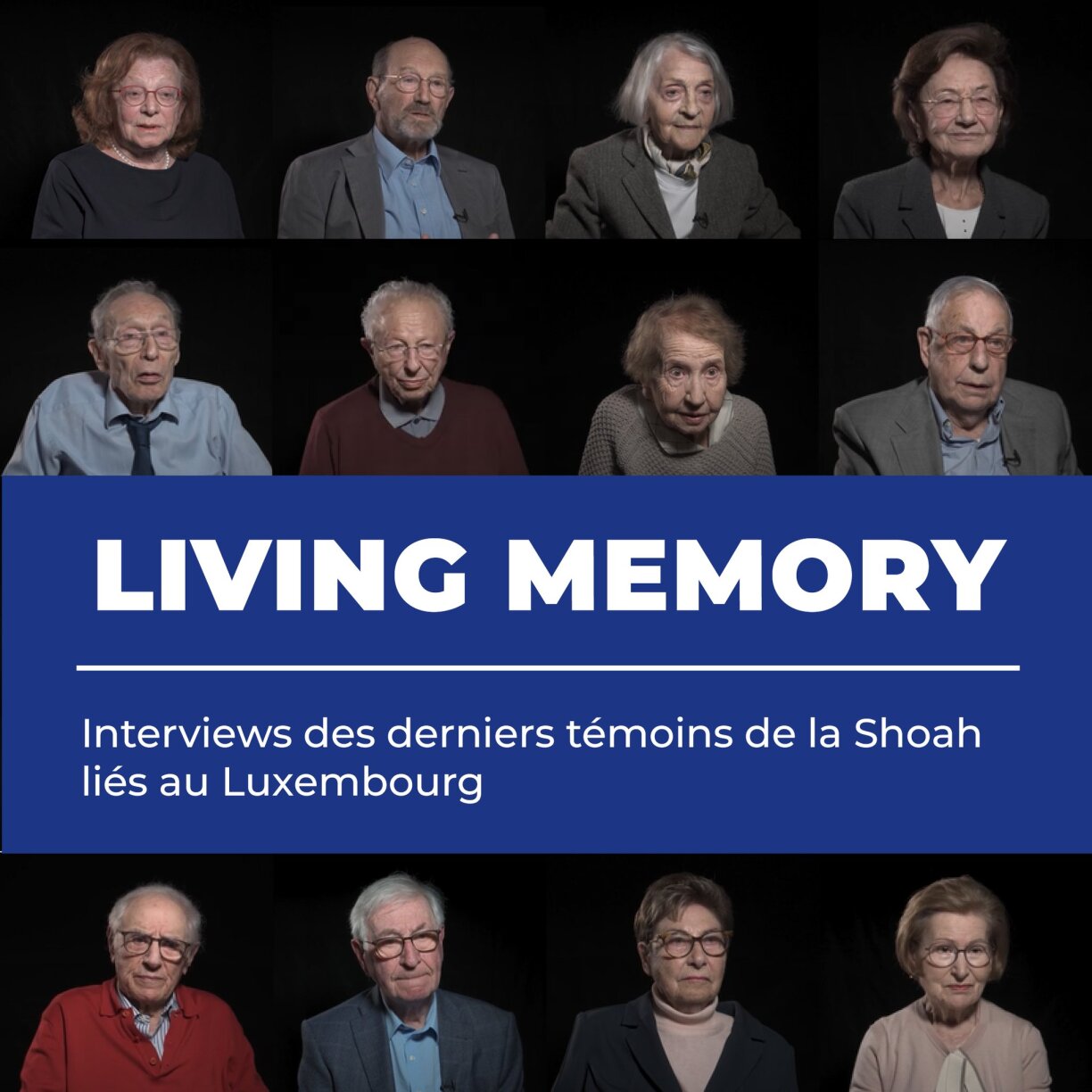
Eighty-one years after the war, the testimonies of those who lived through the Holocaust are becoming increasingly rare. To ensure these voices are not lost, the University of Luxembourg and the Centre for Political Education (ZpB) launched the "Living Memory" remembrance initiative.
Based on oral history principles, researchers conducted interviews with around 60 witnesses who experienced the Holocaust in Luxembourg. Today, they range in age from their mid-80s up to 102.
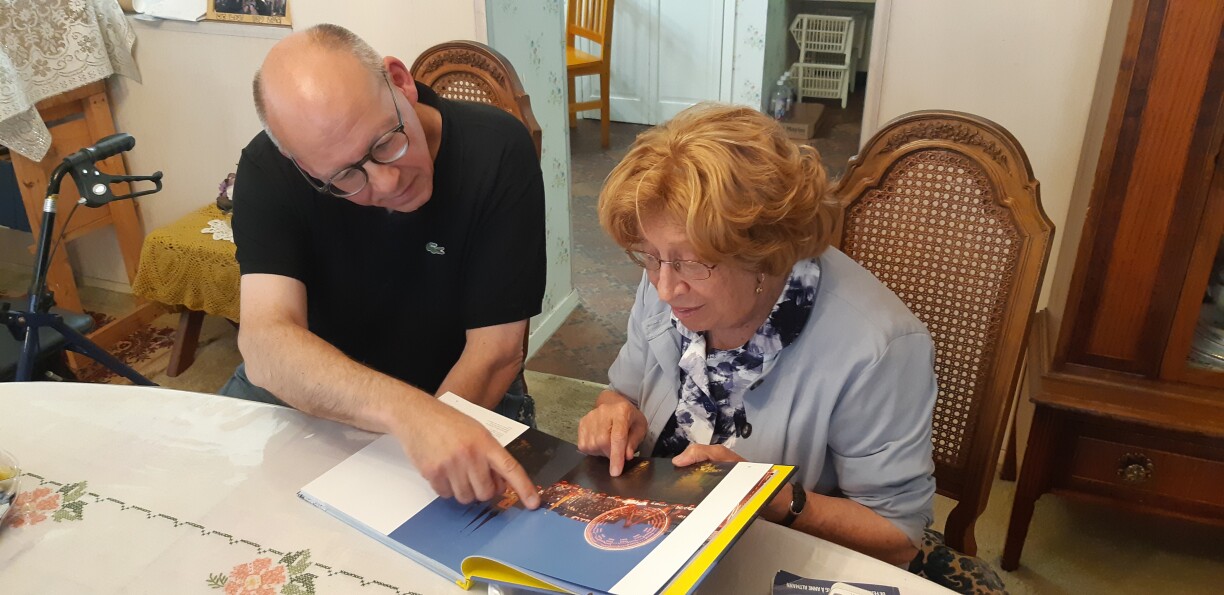
Blandine Landau, a researcher at the Luxembourg Centre for Contemporary and Digital History, says many participants initially found it difficult to revisit their past. Most ultimately did feel relief after sharing their stories. In one case, a participant thanked the researchers for encouraging him; he passed just weeks later. "Although he is no longer with us, his words and story remains accessible", Landau explains.
While some survivors still live in Luxembourg, many have built new lives abroad, including in other European countries, Israel, and the United States. Despite difficult experiences such as the loss of property or the return after the war, many retain a strong emotional connection to the Grand Duchy.
"All of them talk about their childhoods, their friends, their neighbours", Landau notes. "Of course, there are less happy chapters, especially after the war, but for most, these experiences have not tarnished their view of Luxembourg."
Most interviewees are Jewish, though not all. Their accounts also open the door to broader reflection on discrimination and exclusion, both historically and today.
Director of the Centre for Political Education Marc Schoentgen sees the project as something that documents the past, but also helps understand the present.
"Why are people discriminated against, excluded, persecuted, deported, or even systematically murdered? These are phenomena that occur worldwide", Schoentgen points out. "History is not only for history books; it helps us understand today's world."
The collected testimonies are already contributing to further educational initiatives. One example is the book "Betty. Die Geschichte eines jüdischen Mädchens" ("Betty: The Story of a Jewish Girl"), which tells the story of Betty Hirschbein, who spent part of her childhood in Cinqfontaines. The book will be presented on 7 May at Neumünster Abbey, followed by school readings by author Roland Meyer.
The "Living Memory" testimonies are accessible online via the Centre for Political Education's website, with additional material available through the University of Luxembourg's campus platform.