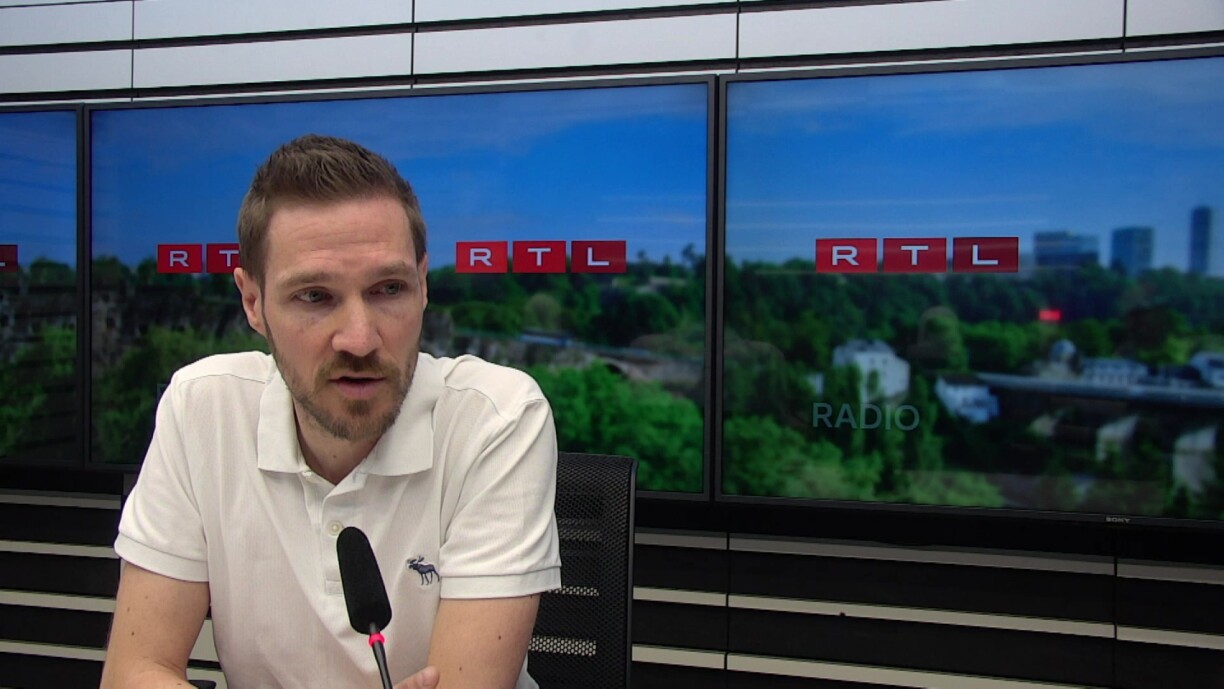
According to Chris Zenner, ALDO's president, the association hopes that osteopathy sessions will be reimbursed by the National Health Fund (CNS), without requiring a prescription from a general practitioner in the future.
Currently, discussions are ongoing within Luxembourg’s healthcare system, particularly between the CNS and the Association of Doctors and Dentists (AMMD) over a new agreement. However, ALDO is not involved in these talks.
Osteopaths have been waiting for years for the Ministry of Health to clearly define the criteria required to obtain authorisation to practise.
These debates are not new. In 2018, the Ministry of Health presented a draft Grand Ducal Regulation following consultations with osteopaths, but the proposal did not satisfy ALDO. One of the main issues was that it was modelled on the French system, where osteopathy is considered a wellness practice rather than a recognised healthcare profession.
ALDO challenged the regulation in court and won its case in 2021. Since then, discussions on new legislation continue.
According to Zenner, talks with the current Minister of Health, Martine Deprez, have been very good and constructive. He said that over the past two years, a working group had been set up with the minister to draft future legislation governing osteopathy.
Although the group completed its work around a year and a half ago, no final decision has yet been taken. Zenner added that discussions could resume in April or May.
The association acknowledges that the ministry has had to prioritise other areas. Zenner noted that Luxembourg has around 25 healthcare professions, and that it was clear from the outset that some, such as nursing, would take precedence.
Zenner underlined that a new, clear legal framework defining the profession is a prerequisite for opening negotiations with the CNS on reimbursement. At present, patients must cover the full cost of osteopathy sessions themselves, unless they have supplementary insurance.
However, ALDO has already set out one key condition: reimbursement should not depend on a prescription from a GP.
Zenner argued that general practitioners are not always sufficiently informed about osteopathy. He noted that it is a relatively young field and not necessarily part of standard medical training.
While some doctors do take an interest and undertake additional training, he said that, overall, they may not be fully aware of the range of conditions osteopaths can treat.
ALDO has nearly 100 members, while around 300 people practise as osteopaths in Luxembourg. Zenner therefore advises patients to check with the association before making an appointment.
He explained that when osteopathy was recognised as a healthcare profession in 2018, a large number of licences were issued, including to practitioners who did not meet the association’s minimum training standards.
According to Zenner, this situation is largely the result of a European directive allowing practitioners authorised in one Member State to work in another, even though training requirements vary between countries.
On 13 June, ALDO will host an international conference on the role of osteopathy in sport. The event will be open to both healthcare professionals and the general public.