At first glance, the term "rare diseases" may suggest that only a small number of people are affected. However, official figures show that in 2024 alone, an estimated 30,000 people in Luxembourg were living with such conditions.
Although a singular rare disease is defined as affecting fewer than one in 2,000 people, counting all cases together, they end up representing a significant public health issue. These illnesses vary widely in nature and are often caused by genetic defects, meaning they frequently appear in early childhood. For many families, this marks the beginning of a long and difficult journey towards diagnosis.
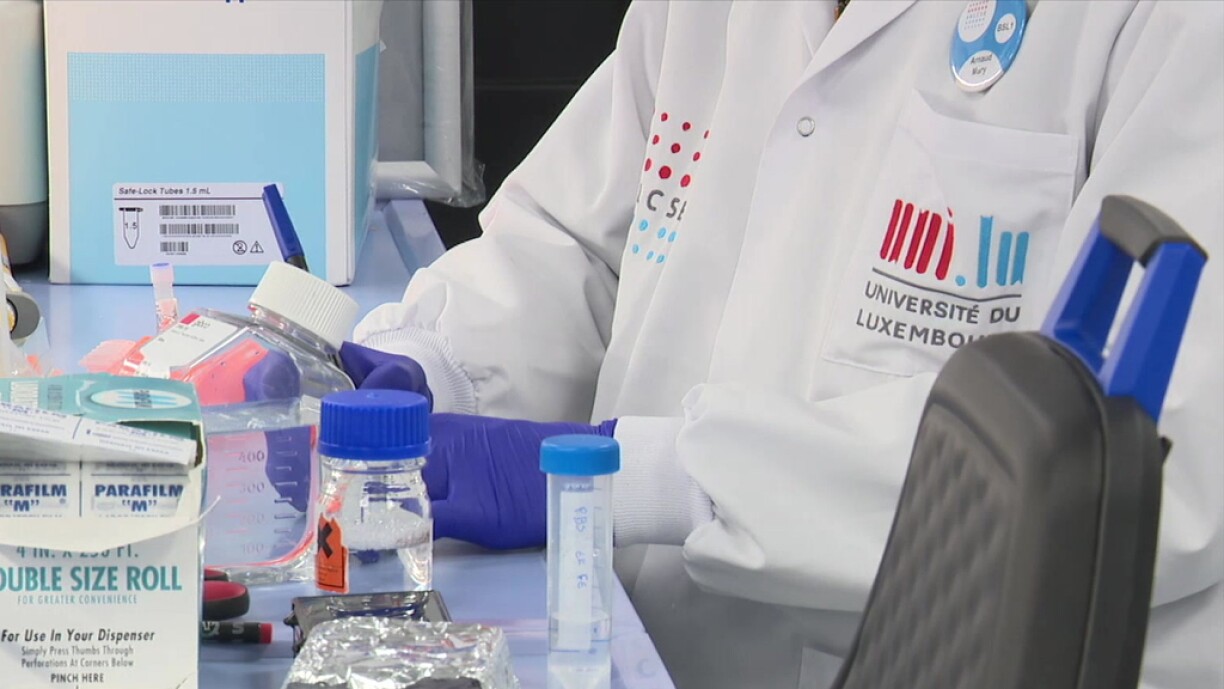
Research into these conditions is also being carried out in Luxembourg. A team led by Carole Linster at the University of Luxembourg focuses on human metabolism, an area linked to more than 1,000 of the approximately 7,000 identified rare diseases. One of the disorders studied by the team is Zellweger syndrome.
Professor Linster explained that their research was prompted by contact with a family in which several children were affected by the severe genetic disorder. The condition is caused by a gene defect that prevents certain cellular compartments from forming properly, leading to serious metabolic dysfunction.





