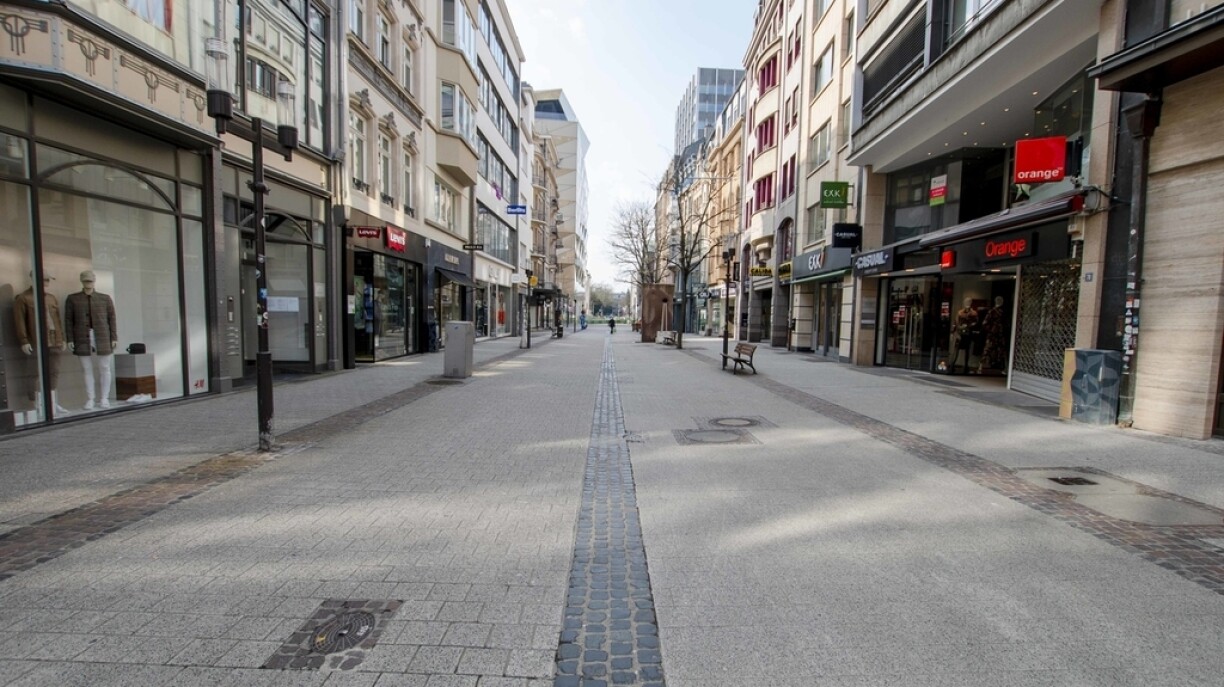
Unsurprisingly, Statec note that this is due to the impact of lockdown measures, put in place to slow the spread of the novel coronavirus. There is also a slight sliver lining to the decline, in that Luxembourg appears to have been less affected than the Euro area as a whole.
Where Luxembourg's GDP contracted by 7.2% in Q2 and 1.4% in Q1, the same figures for the Euro area stand at 11.8% and 3.7% respectively. Statec also see indication of the recession being, as they put it, "very time-bound" and thus expect a relatively rapid recovery. Indeed, the report notes that their earlier forecast of a 6% decline in GDP for the year as a whole may in fact be overly pessimistic, and the recession is not expected to last into Q3.
One of the areas that was particularly hard-hit in Luxembourg is that of fuel sales, which Statec note is yet to fully recover. Sale of fuels was slashed by 56% between April and February of this year, as parts of the economy closed down, and people were encouraged to work from home. This is a far more severe reduction than was seen in neighbouring countries, with Belgium reporting an 18% drop in fuel sales, France 13%, and Germany just 10%.
Similarly, the tourism sector suffered a considerable blow, with tourist accommodation in Luxembourg suffering a larger decrease in new arrivals than the sector as a whole across Euro countries. The Grand Duchy saw a 57% decline over one year, with the corresponding figure for the Euro area as a whole showing a 47% drop.





