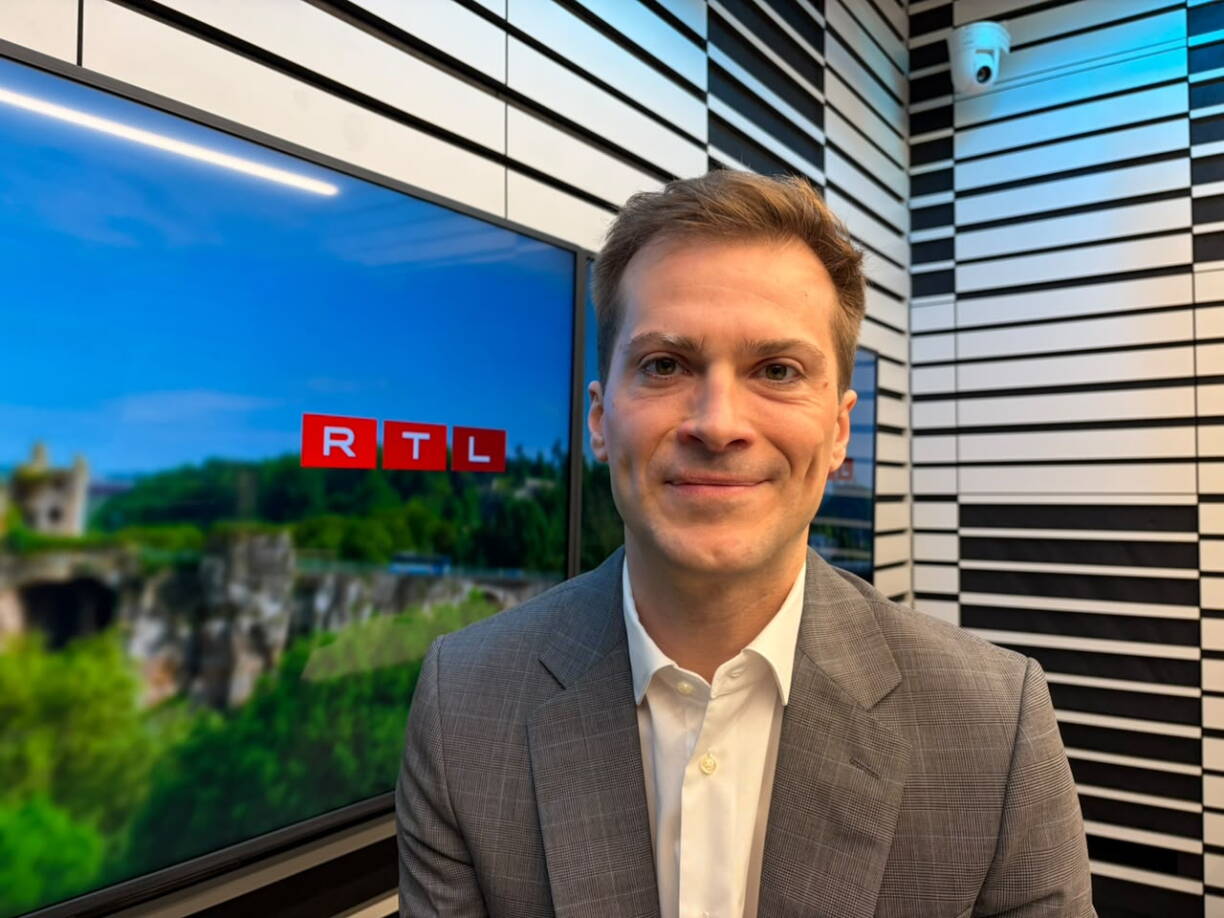
Jacques Thill, who has been the President of LuxTrust since May, stated on Wednesday morning that the company has made major investments in IT security and resilience in the wake of the lengthy technical outage last December.
While the company has not fundamentally changed its core business in aspects of digital identity solutions, digital signatures, and authentication, it has changed how it operates, especially in terms of security and crisis preparedness.
Thill explained that last year's incident, which left LuxTrust’s services inaccessible for hours, prompted a critical review of the company’s infrastructure.
According to him, one of the main improvements is the addition of an independent system in a separate data centre in Luxembourg.
This allows the company to bring the solution online relatively quickly, within a few hours, in the event of a serious incident. He emphasised that LuxTrust is now prepared for crisis scenarios.
Thill clarified that the outage was caused by a software error, not a cyberattack. There was no data leak and no personal user information was hacked, and the company’s IT solutions remain uncompromised. Protecting user data remains a top priority, he stressed.
However, risks are never completely eliminated: Thill referenced a major outage at a large American cloud provider as an example of how incidents can never be ruled out or perfectly planned for.
For LuxTrust, the strategy is to prepare robustly for the worst-case scenario, even if such events are rare.
He stated that LuxTrust has invested heavily this year to ensure that the systems can withstand not just technical failures but also sophisticated cyber threats, including those enabled by artificial intelligence.
The backup solution is now in production and ready to be deployed if needed.
Thill pointed out that phishing scams, where criminals impersonate LuxTrust through fake SMS, emails, or calls, are a growing concern.
He said that user education is essential and that LuxTrust has recently launched an information campaign with 14 partners, including the cyberfraud.lu website, which provides practical advice and a dedicated page on LuxTrust.
He observed that phishing attempts have become more frequent and more sophisticated, due in part to advances in artificial intelligence.
Thill gave an example of AI-powered robots or agents conducting phone scams, pretending to be LuxTrust or bank employees.
LuxTrust actively monitors the internet, including the dark web, for fake websites or phishing pages that mimic the company’s branding.
Thill said that the company works quickly to block such fraudulent pages and to prevent users from accessing those sites.
Thill offered clear advice to users: LuxTrust will never, under any circumstances, call users directly. If someone claims to be a LuxTrust employee on the phone, people should hang up immediately. As for SMS, LuxTrust only sends texts in connection with user-initiated processes.
If a message arrives out of the blue asking the user to do something, Thill said it is almost certainly a scam.
In cases of doubt, users are encouraged to call the LuxTrust helpline, available from 8am to 6pm at 24 550 550.
He warned that neither LuxTrust nor banks would ever ask users for passwords or to make transfers.
According to Thill, these attempts are becoming increasingly sophisticated, using psychological pressure and a sense of urgency to push people into acting quickly.
If a user realises too late that they have fallen for a scam, they should contact the Worldline hotline at 49 10 10, which is available 24/7 to block compromised LuxTrust certificates.
In case of doubt, it is always better to be cautious.
Thill advised users to read suspicious messages several times and always remember that LuxTrust and the banks will never ask for credentials or to make urgent transactions.
He concluded that reporting incidents is important, and that quick action can limit the damage.