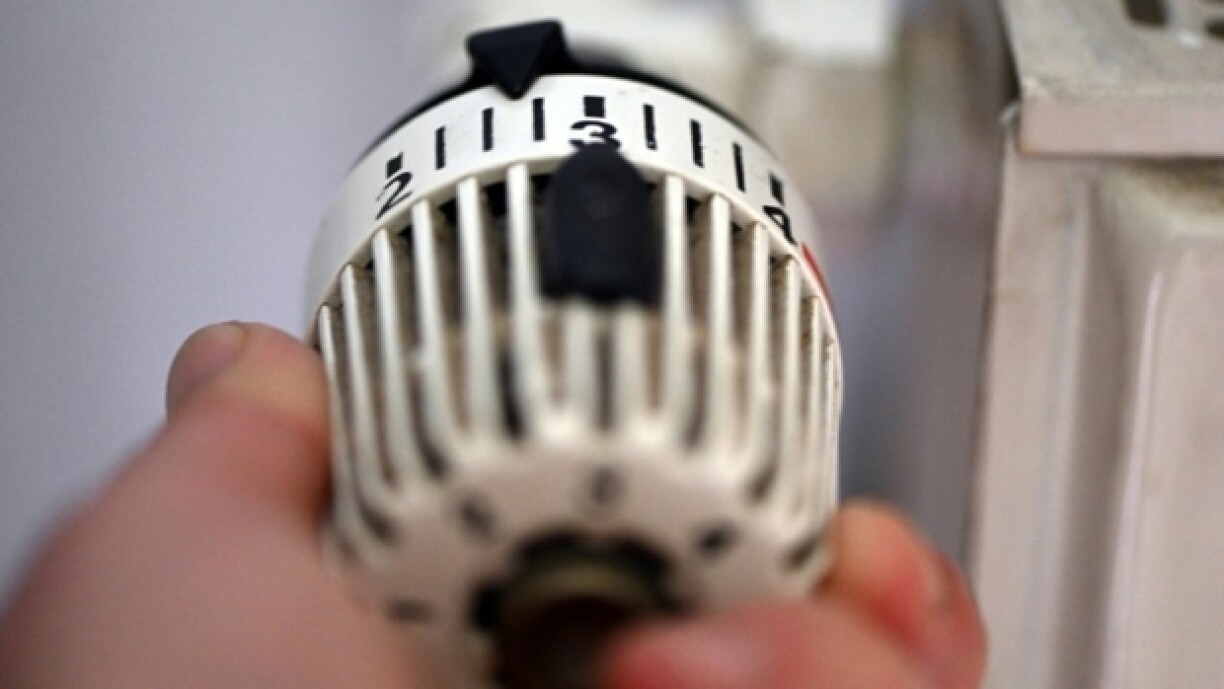
The Ecological Movement (Mouveco) is urging the Ministry of the Economy to develop a comprehensive strategy for the heating transition by the end of the year, warning that the issue is currently being neglected despite its complexity.
According to the environmental group, transitioning the heating sector presents greater challenges than the shift to renewable electricity, yet it is not being treated as a political priority.
Mouveco president Blanche Weber outlined the scale of the challenge: Luxembourg aims to phase out fossil fuels for heating entirely within the next 25 years. However, at present, less than 20% of heating comes from renewable sources. She noted that while costs for gas and heating oil are rising, solutions such as heat pumps remain unaffordable for many households.
Weber argued that the transition is not merely an environmental issue but a crucial social policy matter. She stressed the need for the public sector to step in with collective solutions, such as heating networks, to protect consumers from being trapped by volatile energy prices. She also criticised Luxembourg's continued reliance on gas imports from "autocrats", leaving the country vulnerable to external pressures.
Marc Krier, who leads on energy and climate issues for Mouveco, pointed out that heat pumps are not a viable option for every building, particularly in densely built urban areas. For these households, connection to a heating network is essential. Such networks draw heat from sources like the sun, geothermal energy, or industrial waste heat. Krier cited the example of Esch-Belval, where buildings are heated using waste heat from ArcelorMittal.
However, he argued that a clearer legal framework is needed to facilitate such projects. At present, stakeholders must negotiate agreements among themselves on price, purchase conditions, and long-term guarantees. This process becomes particularly complicated when an industrial site providing waste heat is at risk of closure, forcing consumers to seek alternatives. "This means these are serious negotiations," Krier said, "If a certain security comes from a more legislative framework, it's easier for all the stakeholders."
Weber also criticised the current wait-and-see approach to planning the necessary infrastructure. Installing heating networks requires significant construction work, yet opportunities to lay pipes are being missed. She described the frustration of seeing roads dug up without any provision for future heating networks, despite the knowledge that such work will eventually be required. "You could save time and money by doing it right away," she stressed.
To address these gaps, Mouveco is calling on the Ministry of the Economy to take the lead. The group recommends bringing in external experts from abroad to advise on the development of a national heating transition strategy, with a deadline set for the end of this year.





