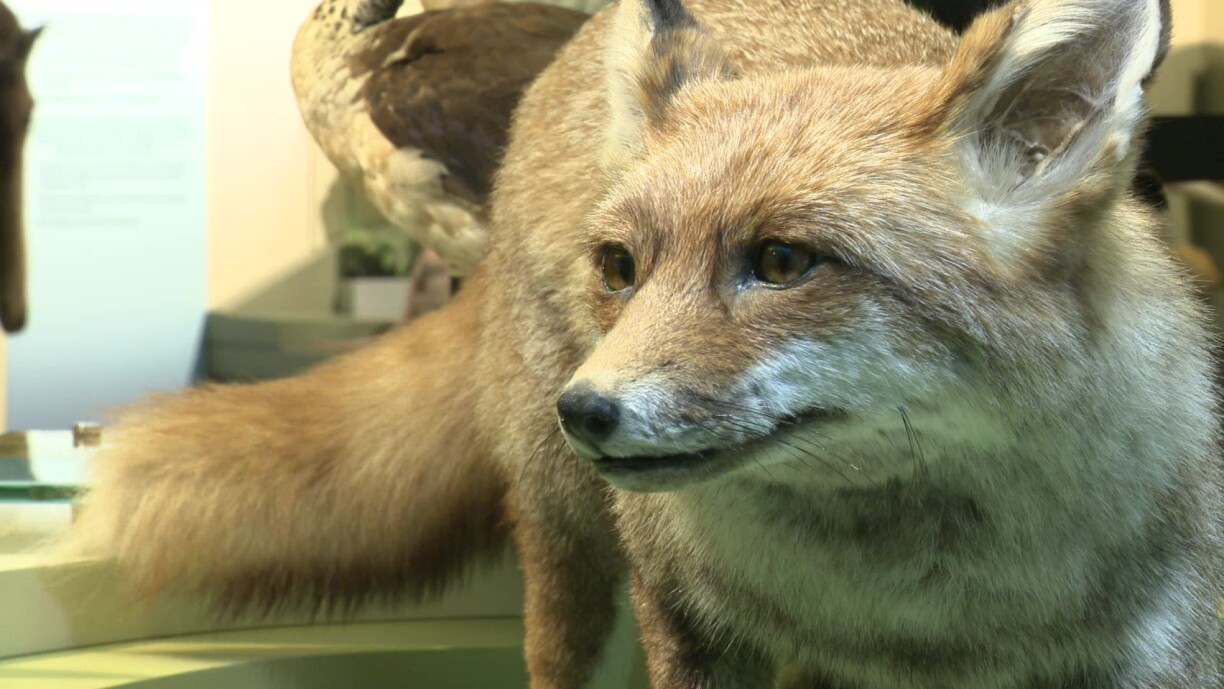
The Museum of Natural History has long been a popular location for family and school trips. Before the pandemic, the museum averaged around 50,000 annual visitors, a number that has now decreased by half. However, even with fewer guests, one problem does not seem to disappear: visitors damaging exhibition goods.
It is of course not surprising that the younger guests have trouble refraining from touching the fur or feathers of rare animals when up close. Unfortunately, this may often end up causing damages to the exhibition pieces, as museum director Alain Faber conveys: "We have to keep visitors at a safe distance so that the animals remain intact for as longs as possible."
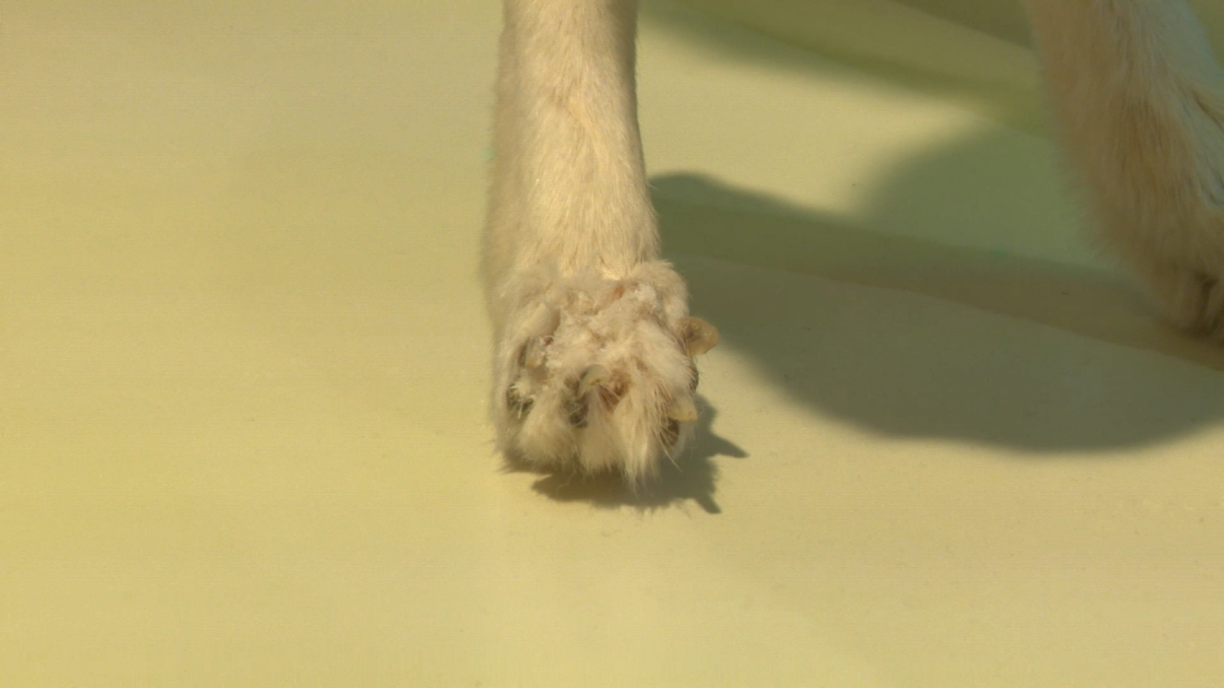
A few years ago, the museum directorate decided to let people see the exhibition pieces from up close rather than setting them up behind glass walls. At times, the museum's taxidermist Guillaume Becker regrets this decision, as he showed our colleagues from RTL unrepairable damage done to the foot of a desert fox.
Given that the Luxembourg National Museum of Natural History is much smaller than most natural museums abroad, they often have to fight for new exhibition pieces. Alain Faber explained: "Many of the animals are protected, which means that we can only use those who die in a zoo. However, waiting lists for those are quite long, so many of our pieces are irreplaceable by now."
The museum thus issued a new reminder that guests should refrain from touching the animals when visiting.





