For many, dating apps have become more frustrating than pleasant: endless swiping, brief conversations that go nowhere, and ghosting instead of honesty. The growing dissatisfaction with digital matchmaking is no secret, and a trend toward analogue dating – meeting potential partners in person rather than through a screen – is gaining ground.
Yet making the leap to real-life encounters is not always easy. Uncertainty, fear of rejection, and the courage required to approach someone in person can be significant barriers. Compounding the issue is a rise in media reports about sexual assaults, drink spiking, and dates ending in disappearance – stories that have left some people wary of putting themselves out there.
It was this climate that prompted IT specialist Tom Sawyer, a Luxembourg national, and his friend Wesley Hourdequin to launch a new platform called Crush. Their goal: to play cupid in a safe, controlled environment.
While Crush operates online, it deliberately sets itself apart from traditional dating apps. "Crush is for singles who actually want to find their crush and not just the next acquaintance," Sawyer explained. The platform prioritises authentication over anonymity. Every profile is vetted to ensure that a real person with sincere intentions is behind each account. "We want to create a safe space where people aren't afraid to show themselves as they are," the co-founder said.
Profile setup takes place online, but the rest unfolds in real life – meeting others is only possible during organised events. Profiles are not visible on the platform itself, a design choice intended to prevent users from spotting neighbours or acquaintances and immediately sharing that information with others, as often happens on public platforms like Tinder. "It's normal in such a small country," Sawyer acknowledged.

Sawyer, Hourdequin, and a third team member jokingly refer to themselves as "crush coaches." In addition to vetting profiles, they attend the real-life events in person, ready to act as wingmen or even matchmakers. The approach is deliberately human-centred, prioritising feelings over algorithms. The goal is clear: less scrolling, more real conversations.
The concept appears to be resonating. Although the platform launched only this year, hundreds of profiles have already been registered. The second event is scheduled for 4 March.
Beyond any single platform, the shift reflects a broader societal trend: people are seeking a return to more analogue lifestyles. Those looking to expand their social circles have plenty of options that do not involve apps:
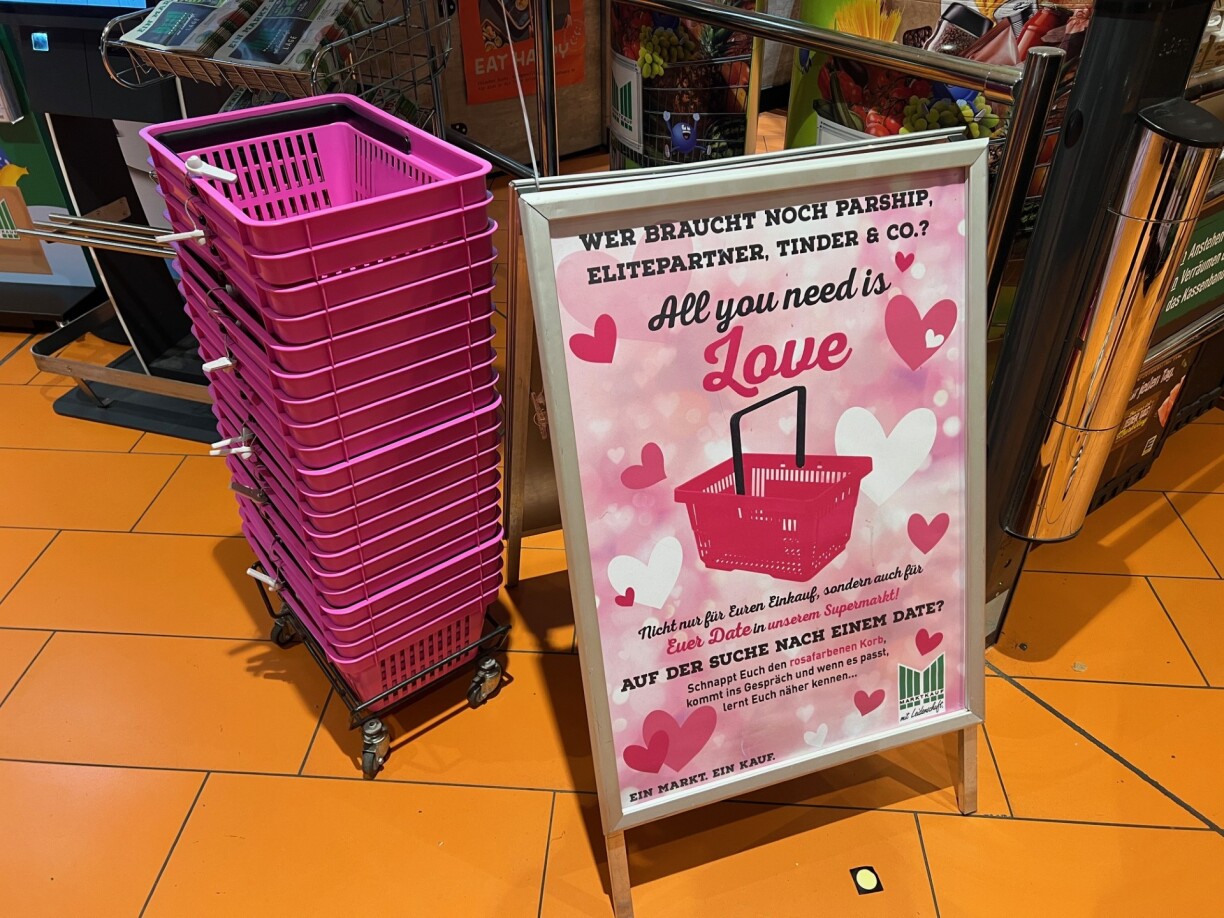
Even small gestures in everyday life can open the door to connection. One recent initiative spotted in some supermarkets is the pink shopping basket: picking it up signals that one is open to being approached. A playful way to get talking.