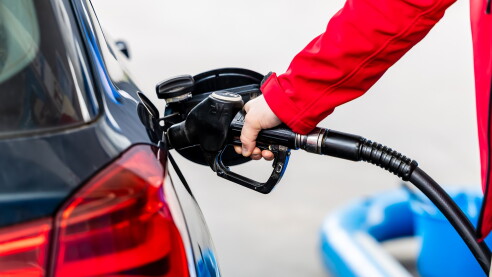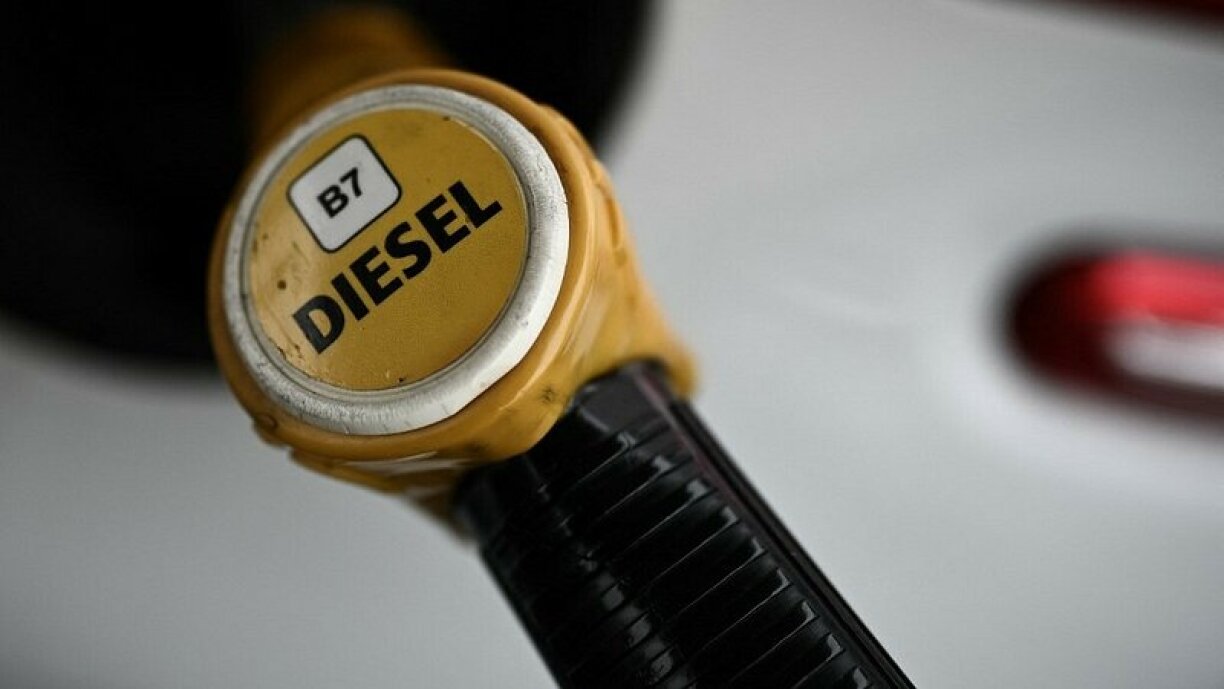
Luxembourg may not be facing empty petrol pumps, but for many residents and cross-border commuters, the fuel crisis is already hitting where it hurts most: their way to work. Across Europe, the situation is escalating, with protests and supply disruptions leading to shortages and long queues at gas stations. In Luxembourg, pumps remain supplied and daily life remains unchanged. But beneath the surface, a different crisis is unfolding for commuters.
For thousands of people, especially cross-border workers, driving is not a choice but a necessity. "I spend almost two hours a day in my car," says Henri, who travels to work from the French border. "With fuel prices going up, it's easily an extra €100–€150 a month now. You feel it immediately."
Henri's experience reflects a reality shared by many households. A cross-border journey that was already long and costly has become even more expensive.
For others, frustration stems less from cost and more from lack of alternatives. "I would absolutely take public transport if it made sense," says Sophie, a resident in northern Luxembourg, who must be in her Gasperich office four days a week. "But with the bus and train connections available to me, it would take me twice as long to get to work."
Luxembourg is often praised for its free public transport, a flagship European policy. Outside Luxembourg City, however, the reality is more complicated.
In many rural areas, infrequent buses and poorly timed connections mean that public transport can take significantly longer than driving, sometimes nearly doubling travel times.
For parents, shift workers, or those with long commutes, public transport simply isn't viable, leaving many trapped in a cycle of car dependency. Electric vehicles offer a potential alternative, with Luxembourg subsidising purchases up to €6,000. However, cross-border workers, who comprise nearly half the workforce, are typically ineligible, as they are tax residents in their home countries. Limited rural charging infrastructure compounds the problem, and without employer support or stronger incentives, the EV transition risks widening the gap between affluent and lower-income commuters.
Nearly 47% of Luxembourg's workforce crosses borders daily, with the vast majority relying on private cars. For these cross-border commuters, fuel price volatility hits hardest, a burden extending far beyond the fuel costs and work-life balance, affecting both finances and work-life balance.
For others, rising fuel costs are only part of a broader commuting expense. "I try to reach work as early as possible just to have enough time to find a parking spot," says Andrea F. "My company doesn't provide parking to all employees, and if you request a space, it costs around €300 a month, which is simply too expensive for me."
For working parents, the strain goes far beyond rising costs. "Often both my husband and I work past 6pm," says Hema (name changed), a mother living in Schifflange. "I drive back to pick up our child from the maison relais before it closes at 7pm, then I take her back to my office so I can continue working. Later, my husband picks her up and heads home to feed her and put her to bed."
Her routine shows that commuting is not only a financial burden but also a logistical challenge for individuals and families trying to balance work schedules, childcare, and long travel times.
These challenges are further amplified as many companies in Luxembourg tighten remote work policies. "My workplace insists we are in the office several days a week," says Elida, "but I believe remote work saves commuting time and makes me more productive. I lose time, money, and energy travelling when I could be working more efficiently."
A growing number of employees report being required to return to the office, significantly increasing commuting frequency. Between rising fuel prices, limited public transport options outside urban areas, and increased commuting demands, many residents feel caught in a system that offers little flexibility.
Together, these issues highlight deeper structural challenges, strong dependence on cars for daily life, uneven access to public transport, and workplace policies that increase unnecessary travel.
The situation raises questions for policymakers and employers alike. For now, Luxembourg has avoided the disruptions seen abroad. Supply remains stable, with no official restrictions at the pump. However, commuters are already feeling the impact. Rising costs are already impacting many residents and cross-border workers.