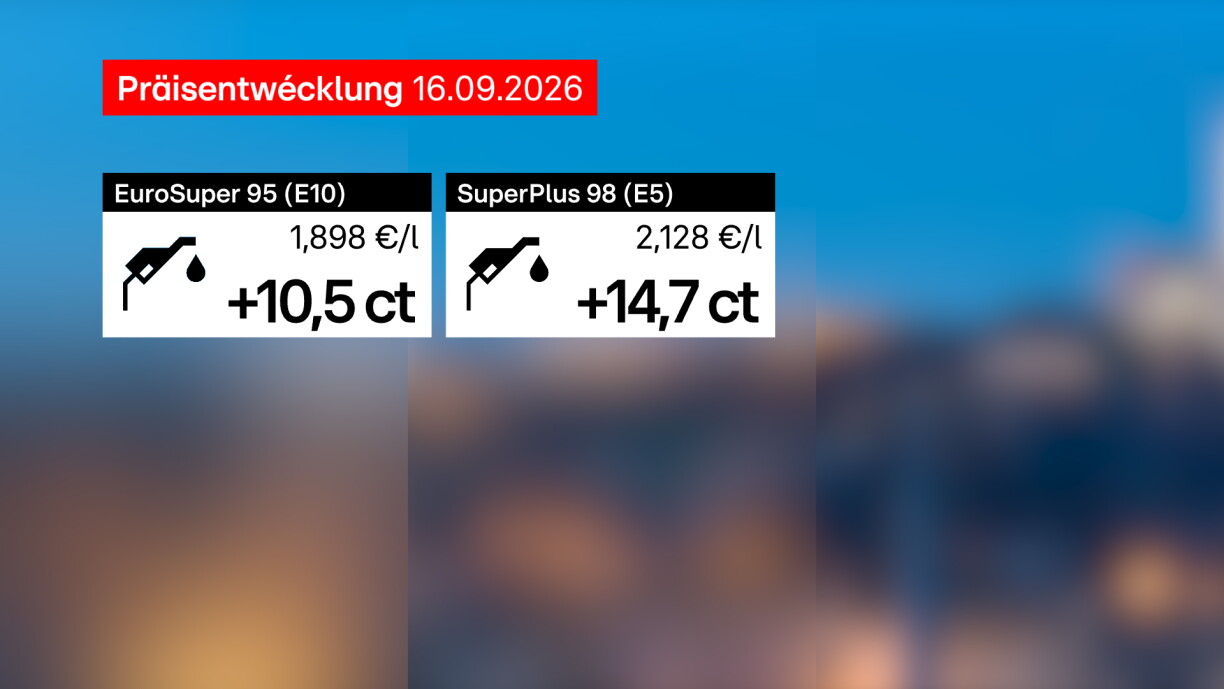
The cost of 95 octane petrol will rise by 10.5 cents, reaching €1.898 per litre. Meanwhile, 98 octane petrol will become 14.7 cents more expensive, crossing the €2 mark and costing €2.128 per litre.
Fuel prices are rising steeply not only in Luxembourg but also in neighbouring countries. In Germany, Chancellor Friedrich Merz has announced that the government intends to introduce measures to support drivers affected by the surge. Merz noted that the current increases are a heavy burden for many people who depend on cars for daily life. While no concrete details have been shared yet, the German government is expected to present a proposal for relief soon.
Germany experienced a new record on Monday, with petrol prices reaching €2.286 per litre – the highest level ever recorded in the country.
Luxembourg households are currently benefiting from measures introduced as part of the Resilience Package, which was agreed during the tripartite discussions in June. These measures, which have been in effect over the summer, include a reduction of 5 cents per litre on both petrol and diesel, subsidies for network charges, and a reduction in heating oil prices. All measures are set to remain in force until the end of the year.





