In case a person is diagnosed with leukaemia, donors are usually first sought out within the direct family circle. If none is found, patients have to fall back on the global data bank, where chances of finding someone are only estimated to be at 5%. To make the search for a suitable donor more efficient, people are advised to register as early as possible.
Yannick Lieners, leukaemia patient and spokesperson for the 'Plooschter Projet' ('Plaster project'), which seeks to "convince as many people as possible to register themselves as stem cell donors", provided insight into the ongoing fight against the disease: "There are new treatments on the market by now. The doctor will always try and heal the patient through chemotherapy. But, that is rarely enough in severe cases, which means that people are left with no other option than finding a stem cell donation. At the moment, every third patient still dies due to the absence of sufficient people in the global data bank."
Stem cells, which help the body continuously produce fresh blood cells, can be found inside bone marrow. Leukaemia leads to a relentless multiplication of malign blood cells, which means that the vital functions of the blood, such as oxygen transportation and fighting of infections, is disturbed. A transplant can therefore help produce new and healthy blood cells.
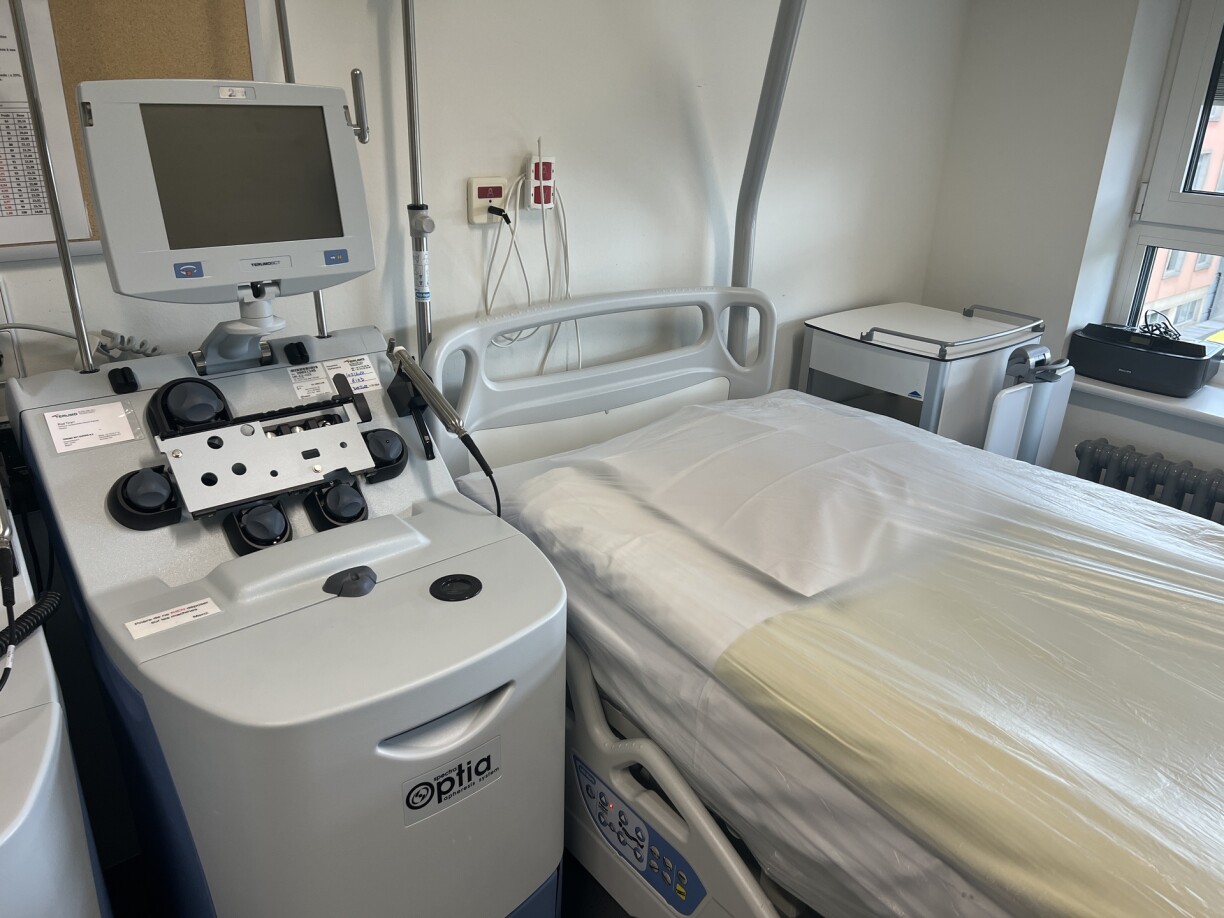
Lieners elaborated: "Stem cells are donated through the blood over a three to four-hour-long procedure. Donors are seated the whole time while blood is being taken from the arm through an apparatus that then isolates stem cells. ... This is how it is done in 95% of cases. Only in 5% of cases, doctors decide to do the procedure via the pelvis, which then requires the donor to be anaesthetised. That can of course be refused."
People aged 18 to 40 can register to become donors, but they exit the system once they turn 60.
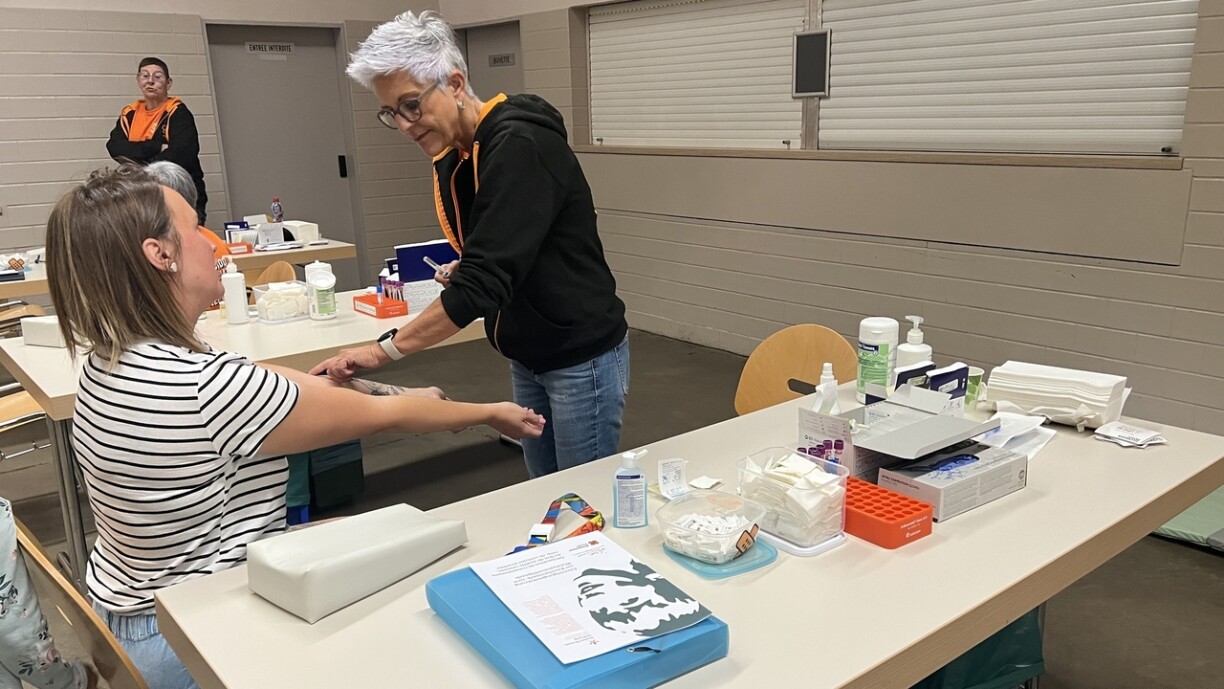
Christiane Lieners, spokesperson for the Plooschter Projet, noted: "Everyday people can walk into a laboratory and register as stem cell donors, even in private labs that focus on taking blood samples. You just have to fill out a form, give blood, and you are already registered. All of that is free of charge. Of course, people can also first contact us at the Plootschter Projet. We also inform people in secondary schools, businesses, and at events."
To avoid emotional bonds between donors and patients, donations are anonymous at the beginning. According to experts, only 60% of interventions are successful. In case donors and patients want to meet, they are generally allowed to do so years after a successful donation was made.