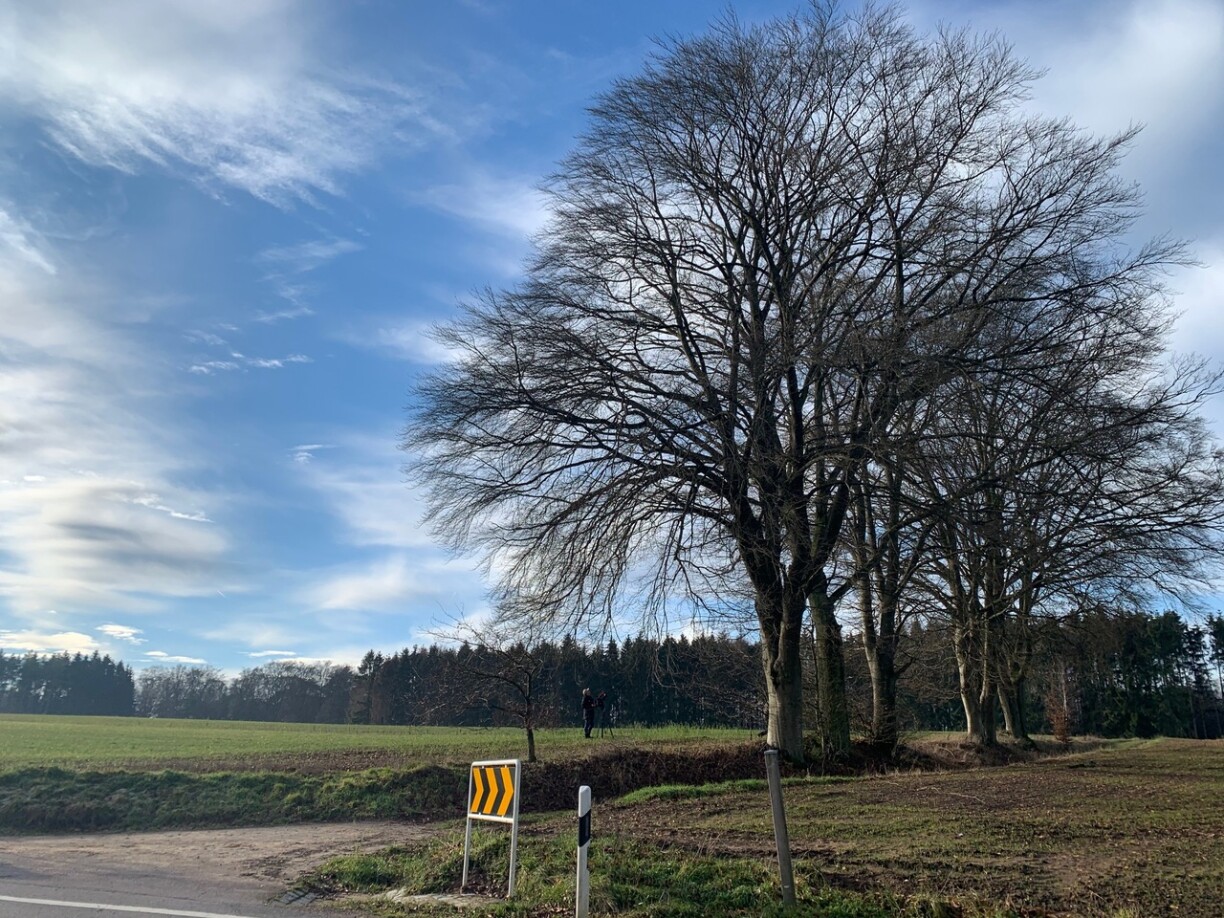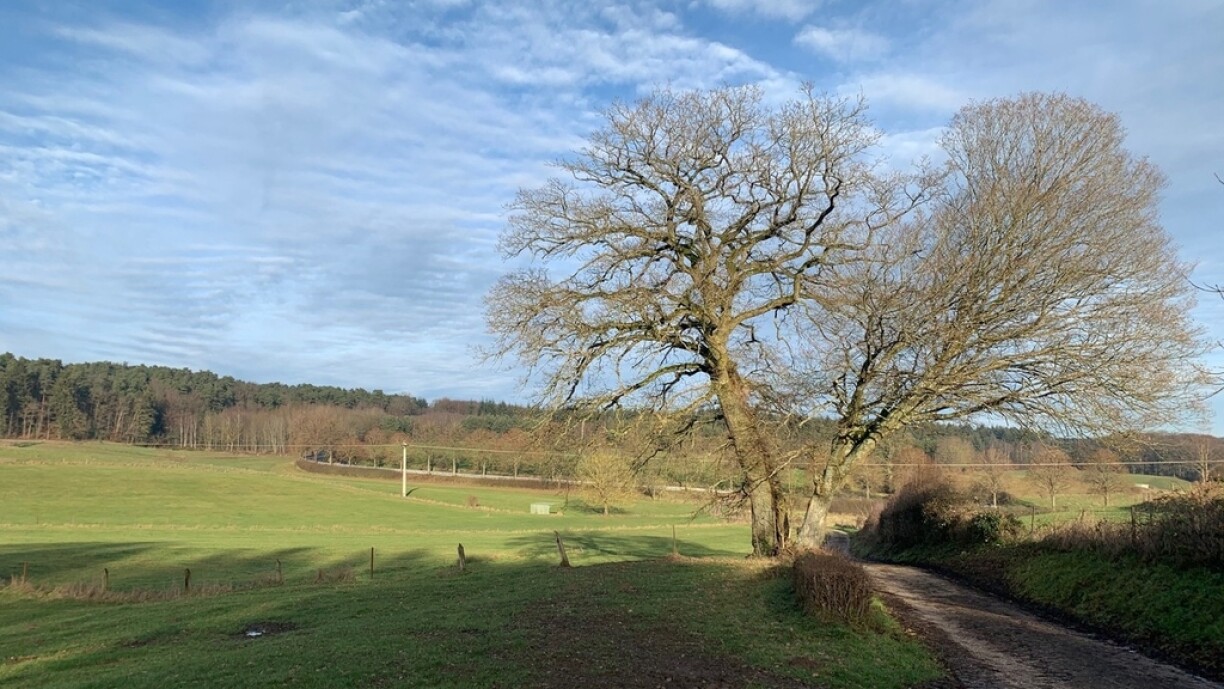
These solitary trees are not the ones standing along national roads, but can be found along fields. More commonly, they are found at the edge of fields.
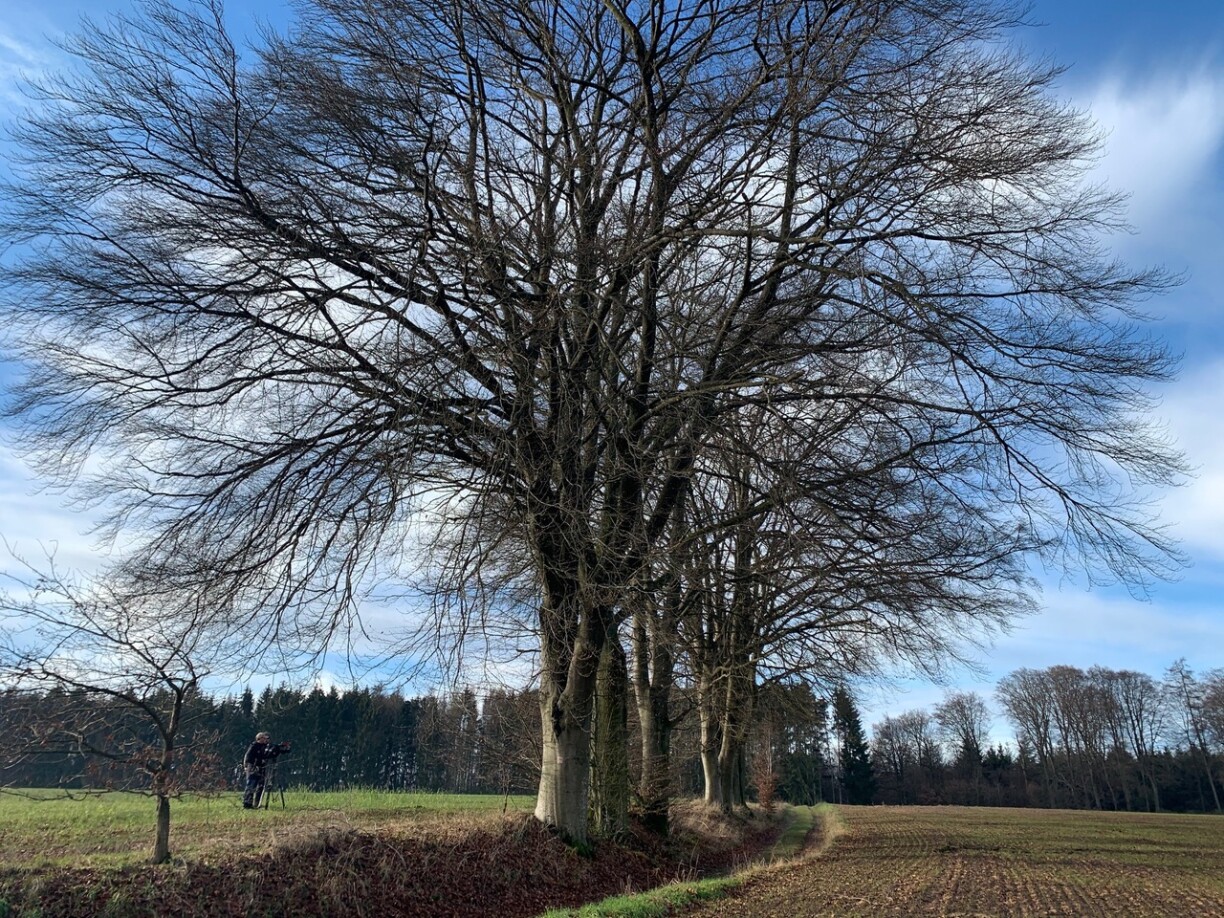
In Luxembourg, this imposing trees are usually beech trees, but are sadly the victims of a relatively aggressive agriculture. Further to that, the 2018 law fails to sufficiently protect beech trees.
RTL Tele Letzebuerg's Monique Kater met with a man who is passionate about protecting these special witnesses of a past life. Bib Leer is a tree surgeon, his own career having roots with the very ones he tries to protect, and advocates protecting solitary trees that are not subject to environmental protections. Because these trees are along country roads and lanes rather than N-roads. Usually the traffic passing these trees is made up of tractors rather than cars.
Leer presents six trees - five beech trees and one oak tree - that are threatened not only by the country lane, but also by other aspects embodying agriculture: chemicals, tractors, and chainsaws.
These tree are not simply standing there, Leer argues, but instead connect parts of nearby forests with each other, provide shade and humidity in the summer, and allow birds to incubate their young. The tree surgeon also, rather poetically, described the trees as representing the soul of the local landscape.
The trees are also threatened by disease , in the form of a rare fungal disease that affects trees over the age of 80. Whilst the 2018 law should monitor for the disease, it is not a major concern of the authorities.
Leer has spent the last 30 years observing as these 'remarkable trees' slowly vanish. He believes the authorities need to implement stricter measures, but ultimately the issue is caused by a lack of awareness on the parts of politicians and farmers.