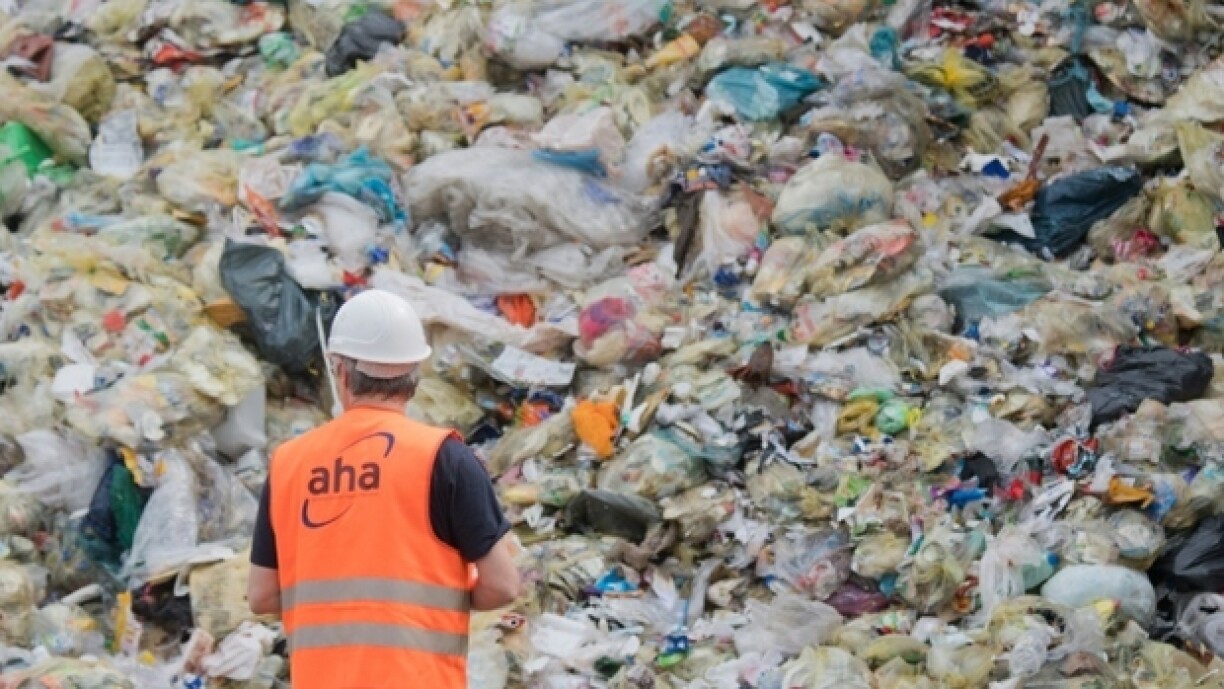
The period between 2013 and 2017 was under scrutiny, showing increasing figures for plastic consumption. In 2013 the total was 51,000 tons, rising to 59,000 by 2017.
The same increase occurred on an individual level. In 2013 the average usage per person was 94.3kg per year - in 2017 this rose to 98.4kg.
Figures from 2018 are currently being examined, the minister detailed. Bioplastics are not considered for the overall totals, although in general the categorisation is a little complicated.
The majority of plastic usage is found in the rubbish of private individuals and businesses. This also counts plastic which has been sorted separately.
However, in both 2013 and 2014, almost 18% of plastic was found in the general waste of private individuals, showing the amount of plastic that remains non-recyclable or that was not recycled by the residents in question.
In terms of the analysis, Dieschbourg added that electronics and hygiene products do not form part of the total.
The minister said the increasing figures were down to the fact that measures to reduce plastic waste only came into force in recent years. Dieschbourg listed a number of ongoing measures, such as the ban on free plastic bags in shops, which began in January.
The various measures have surely helped to raise awareness of the issue among the public. However, as the majority of changes are fairly recent, the minister said it was difficult to gauge the impact based on the figures, at least until 2018/2019 figures are confirmed.
The results of the analysis will be published in autumn.