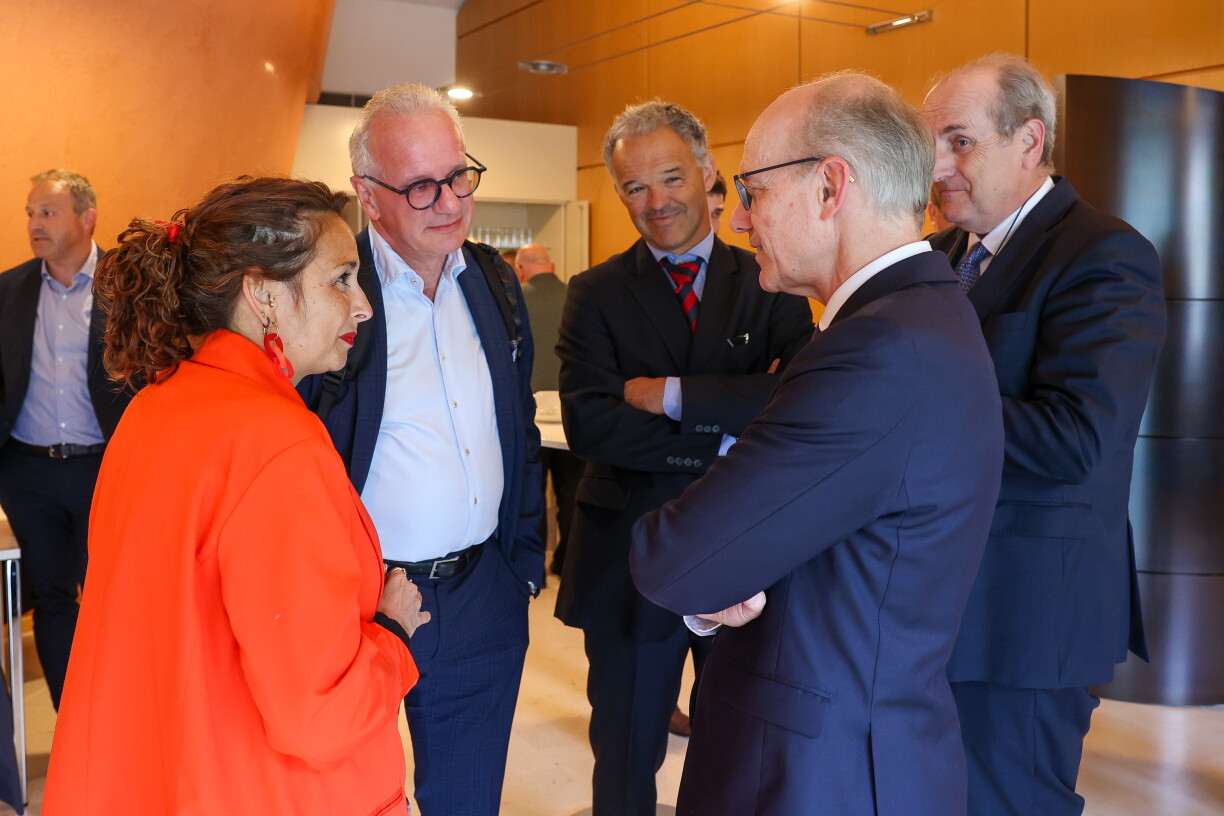
The follow-up session had been agreed in advance by all parties. It was meant to assess how well the measures are working as living costs continue to climb.
The June package included energy relief, such as lower fuel excise duties and interventions in the gas and heating oil sectors, as well as a minimum wage increase. The aim was to keep price rises in check and limit the automatic triggering of multiple indexation rounds, which adjust wages to inflation.
The conflict in the Middle East has lasted longer than expected, however, which makes inflation projections from the national statistics institute STATEC less certain.
Nora Back, president of the OGBL trade union confederation, welcomed the regular meetings, which the unions had requested to keep social dialogue active within the Tripartite framework.
"The point is to keep social dialogue alive and to ensure an exchange about the situation. The reality is concerning. The people we represent, working people and their families, are worried, and we expect to be able to address and respond to these concerns", she said.
Back said further measures would be needed if June’s package proves insufficient. "My expectation is that the government will continue to treat the wage indexation as untouchable. That is a core principle for us", she added.
René Winkin, director of the business federation Fedil, described the outlook as volatile and called for fresh STATEC data.
"We expect updated forecasts. It is difficult to make predictions at the moment, so we need scenarios, both positive and negative. For each scenario, we need to see what happens if current measures expire, if they are maintained wholly or in part, or if the situation worsens and changes are required. Only then can we truly assess the impact", he said.
Prime Minister Luc Frieden said last week that no decision had been made on extending energy support measures into the new year, and that Tuesday’s meeting would help inform it. The government will analyse the latest STATEC figures with the social partners before deciding.
"In general, people's purchasing power has increased during these three years of this government. We will continue to work on this", Frieden said.
Not all of the June measures have been fully implemented. Winkin said some were expected to take effect quickly, while others were always going to take time.
"We should not let things drag on unnecessarily. We, and certainly the unions, are right to expect that what was agreed will also be delivered," he said. He added that he could not recall any occasion when the government had failed to keep its promises.