
Here are five things you should know at the end of this week:
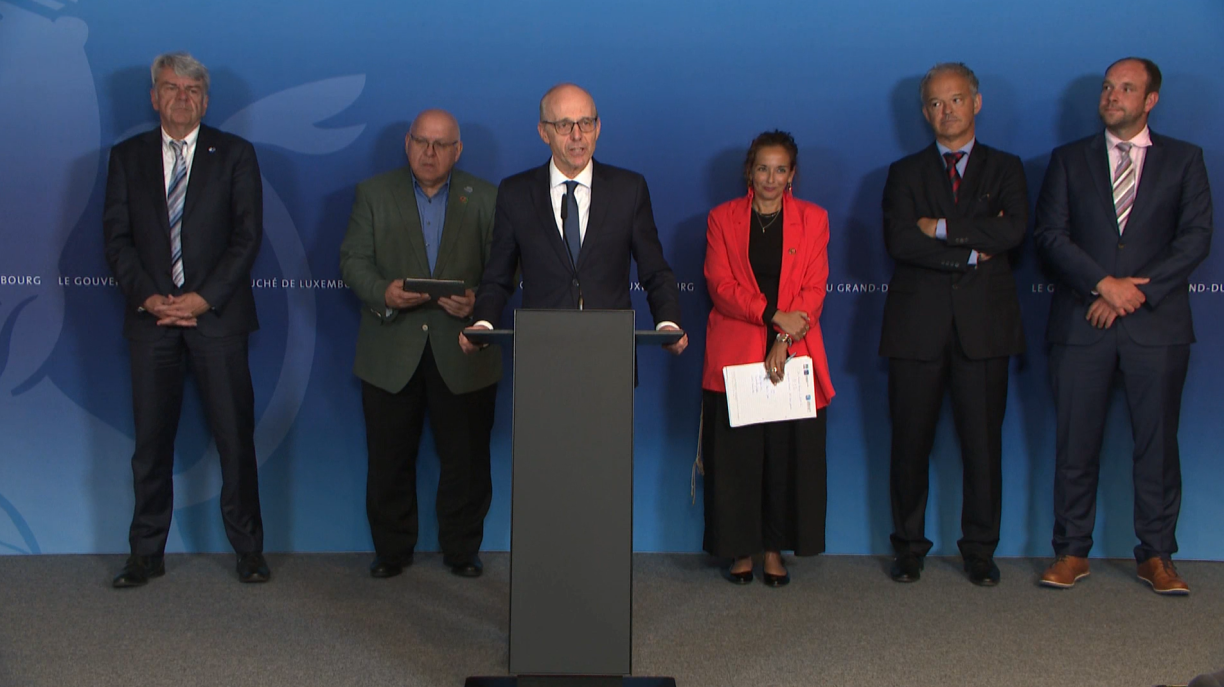
Key issues on the table – The tripartite talks brought together government officials, trade unions, and employers to address pressing concerns such as energy prices, purchasing power, minimum wage, and inflation. The government proposed a range of measures, including tax credits and support for renovations, to help curb rising costs. Discussions also focused on supporting sectors like agriculture, which has faced significant challenges due to increased fertiliser prices.
Compromise and social dialogue – Prime Minister Luc Frieden announced that preliminary agreements had been reached on core issues, with all parties making compromises. He emphasised the importance of restoring social dialogue, noting that the ability to communicate and negotiate had been re-established. Trade union representatives described the outcome as a breakthrough, highlighting renewed cooperation among stakeholders.
Support measures and next steps – The agreement includes a cap on energy prices for diesel, petrol, electricity, and heating oil, with gas under consideration. From 1 June, a temporary tax credit will be introduced, and minimum wage earners will receive an additional €200 net per month until July 2027. The package, estimated to cost €450 million over two years, will not require additional taxes from citizens. Further details and implementation steps are expected in the coming weeks.

Farmers face uncertain future – The announcement that EKABE, owned by French multinational Lactalis, will cease processing Luxembourgish milk has left 68 local dairy farms in limbo. The cooperative supplying the Eschweiler plant is now urgently seeking alternative buyers for their 50 million litres of annual production. Farmers describe the situation as a shock, with some calling it an existential threat to their livelihoods and the future of family-run farms.
Government and sector response – Minister of Agriculture Martine Hansen labelled the decision "devastating" and pledged to explore all possible solutions, though she acknowledged that direct aid options are limited. The Chamber of Agriculture and the cooperative Prolek are working to support affected farmers, but absorbing such a large volume of milk elsewhere in Luxembourg is proving difficult. Emergency meetings have been held to discuss next steps.
Broader industry challenges – Lactalis cited economic pressures and changes in the international milk market as reasons for ending the contracts, planning instead to import milk for EKABE products. Sector leaders warn that finding a new local buyer will take time, with options like Luxlait and Arla facing capacity and integration hurdles. The crisis has sparked debate about the sustainability of global supply chains and the importance of supporting regional production.
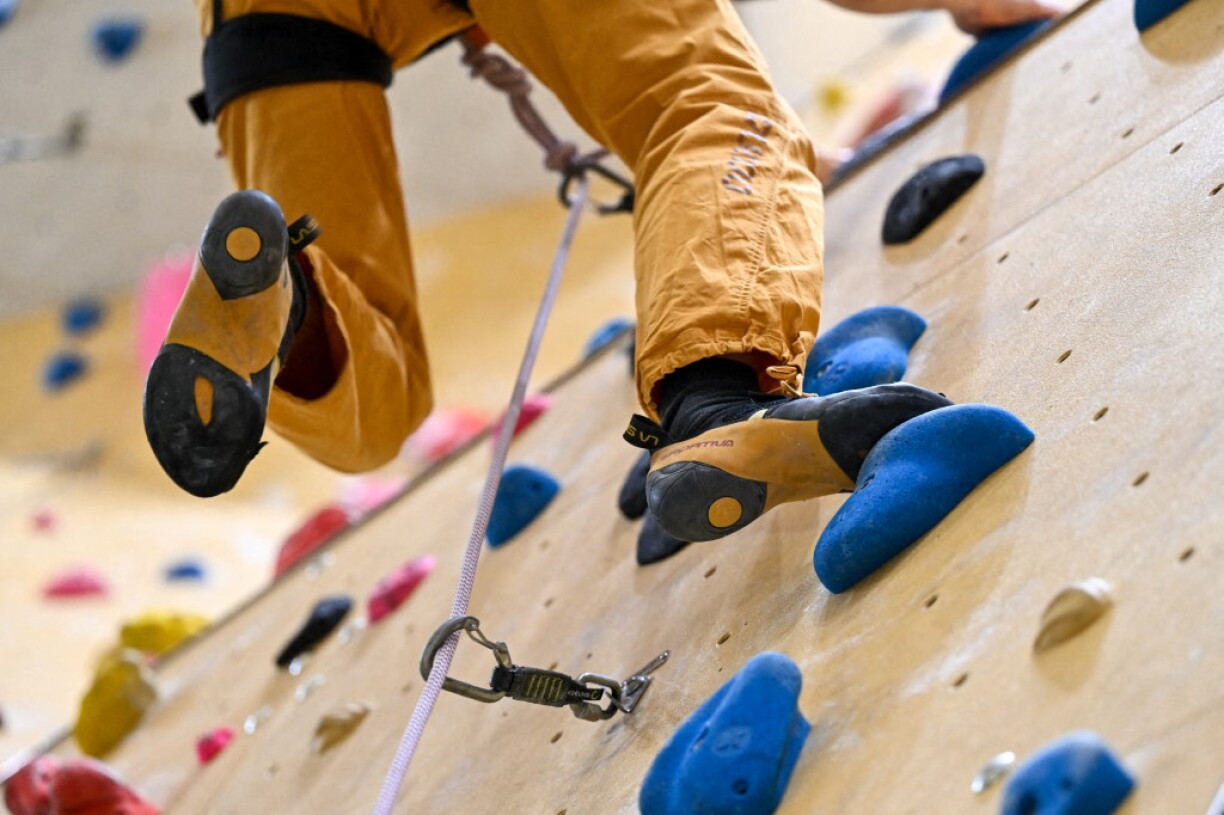
Accident at climbing gym – On Tuesday evening, a 37-year-old man suffered a fatal fall from a height of seven metres at a climbing gym in Soleuvre. Emergency services transported the man to hospital in life-threatening condition, but he later succumbed to his injuries. Police forensic teams were dispatched to investigate, and an autopsy has been ordered at the request of the public prosecutor's office.
Federation responds to tragedy – The president of Luxembourg's Climbing Federation (FLERA) expressed condolences and emphasised that while such accidents are rare, risk cannot be completely eliminated. The federation analyses every incident in detail, aiming to improve safety measures wherever possible. Large posters and best-practice documents have been distributed to climbers and gyms to reinforce safety protocols.
Auto-belay system under scrutiny – The man was using an auto-belay system, a device that secures climbers without a partner. While auto-belay is becoming more popular in gyms, the federation notes that proper use and correct harness attachment remain critical. FLERA is also active in schools and has introduced a climbing certificate, but warns that even experienced climbers are not immune to mistakes or risk.
The accident has reignited debate over safety measures: one survivor of another serious climbing accident spoke up to call for stricter rules, including mandatory helmets, training, competency tests, and clearer liability regulations, as the local authorities and climbing club navigate a potential new agreement.

Return hubs and stricter deportations – The new EU migration reform introduces tougher deportation rules and allows for the creation of so-called return hubs outside EU borders. These centres would process migrants whose asylum applications have been rejected, with the aim of boosting repatriations. Supporters argue that these hubs could deter irregular migration and help enforce decisions, while critics warn of legal and humanitarian risks associated with detention outside the EU.
Luxembourg's restrictive approach – Luxembourg's implementation of the EU migration directive has drawn criticism from the Consultative Human Rights Commission (CCDH), which described the approach as too restrictive, particularly regarding deprivation of liberty. The CCDH highlighted concerns about the detention of minors aged 16 and the risk of effectively imprisoning people without residence permits. The Commission called for changes to ensure better protection of human rights in the national legislation.
Political debate and next steps – The migration pact has sparked political controversy, with opposition parties in Luxembourg accusing the government of rushing the parliamentary vote and failing to address unresolved concerns. Home Affairs Minister Léon Gloden defended the reforms, emphasising support for return hubs but opposing the inclusion of women and families. The directive is set to be voted on soon, as EU ministers continue talks on migration and border controls in Luxembourg.
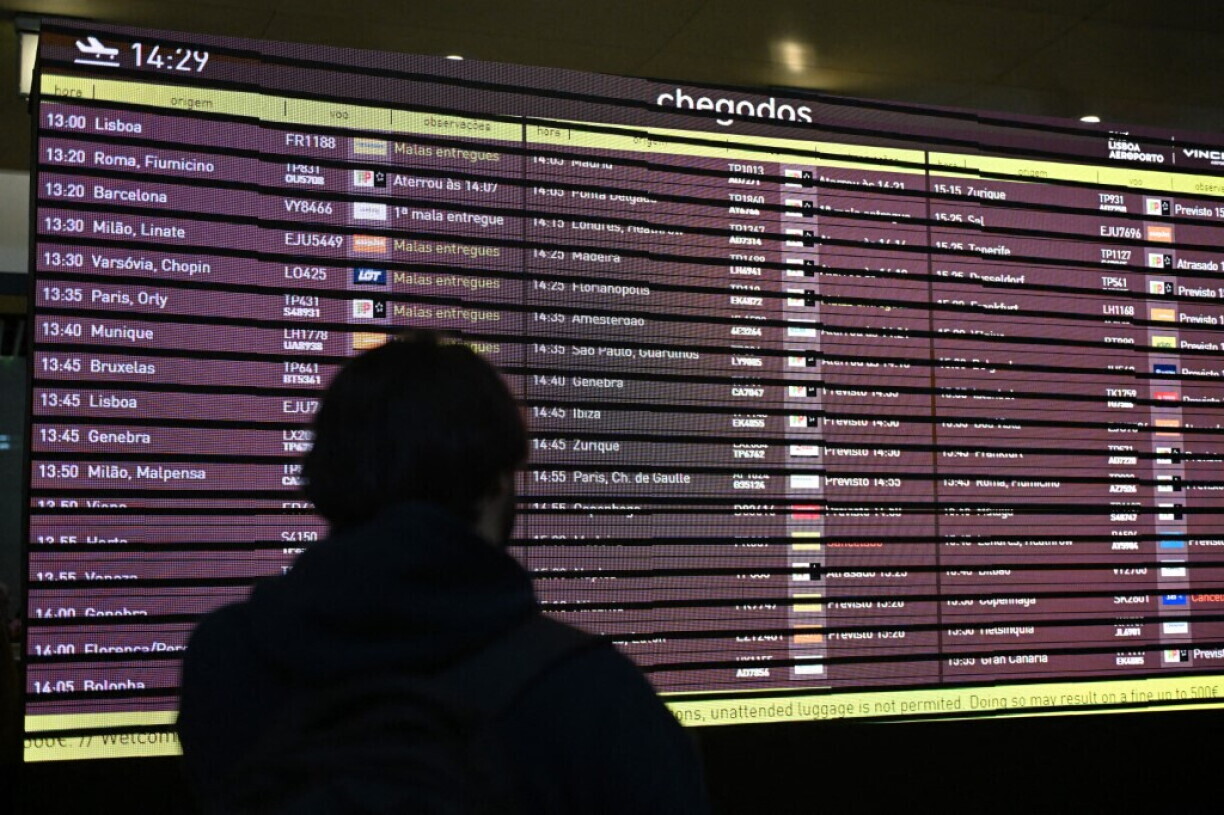
Widespread sector disruption – The general strike, organised by Portugal's largest trade union confederation CGTP, saw strong participation in public services, transport, healthcare, and education. Industrial action led to factory shutdowns, cancelled surgeries in hospitals, and the closure of up to 45% of schools. Public transport was also hit, with ferry and train services reduced. International flights were also heavily affected at Lisbon's airport. However, the government reported that key industries and much of the private sector continued to operate with minimal disruption.
Labour reforms spark anger – At the heart of the protest is the government's "Trabalho XXI" (Work XXI) labour reform package, which unions say will increase job insecurity and weaken workers' rights. Demonstrators argue the measures favour employers, citing concerns over working time banks, short-term contracts, and restrictions affecting breastfeeding women. The reforms are set to be debated in parliament on 18 June, following failed negotiations between the government and unions.
Travel and political impact – The strike's effects were felt beyond Portugal's borders, with Luxair postponing flights between Luxembourg and Lisbon and Porto due to operational uncertainty. While the government downplayed the scale of the strike, unions hailed it as a major show of opposition. The debate over the proposed legislation continues, with both sides standing firm and further disruptions possible as the parliamentary discussion approaches.
Your Weekly Recap is published every Friday at noon.
Read earlier versions here.