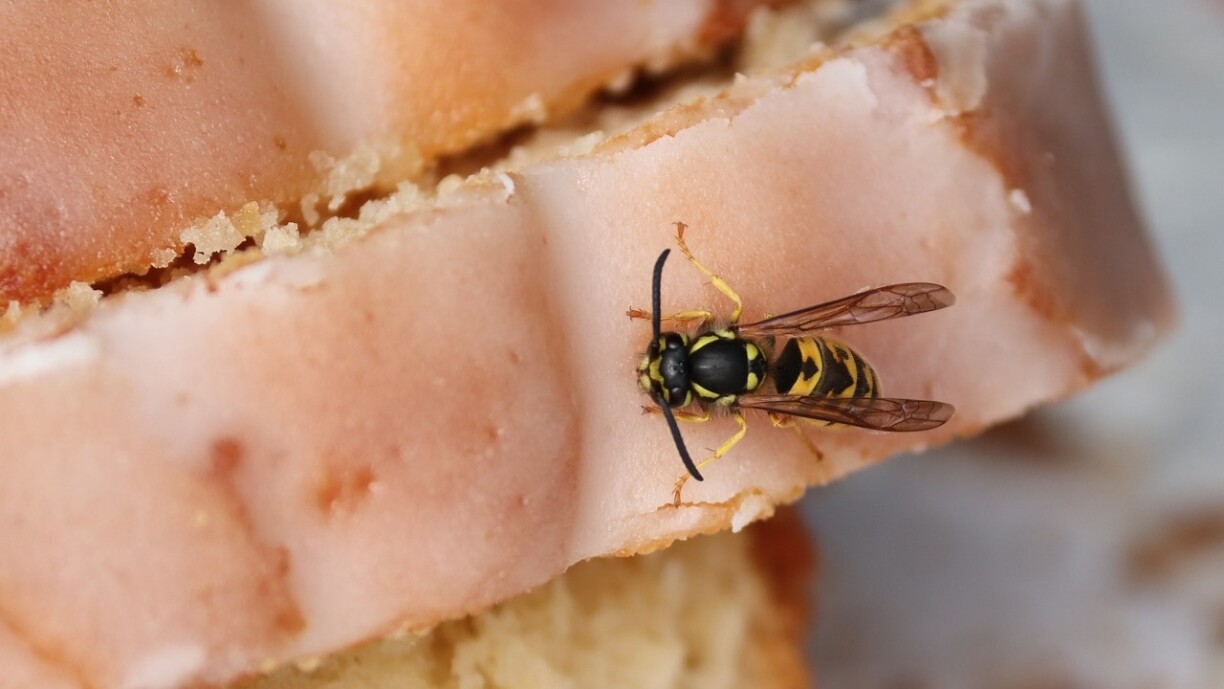
Usually, all forms of insects native to the Grand Duchy are most active during the month of August. Despite lower numbers this year, it is still worth learning about the ways in which humans and wasps can coexist peacefully.
Our colleagues from RTL spoke to Lieke Mevis from the organisation Natur&Ëmwelt ("Nature and Environment) about how to best behave in the presence of wasps: "It is always important to remember that they have a place in our eco system. For instance, they take care of many smaller insects that pose a problem to us. Furthermore, they also help pollinate flowers, same as bees do."
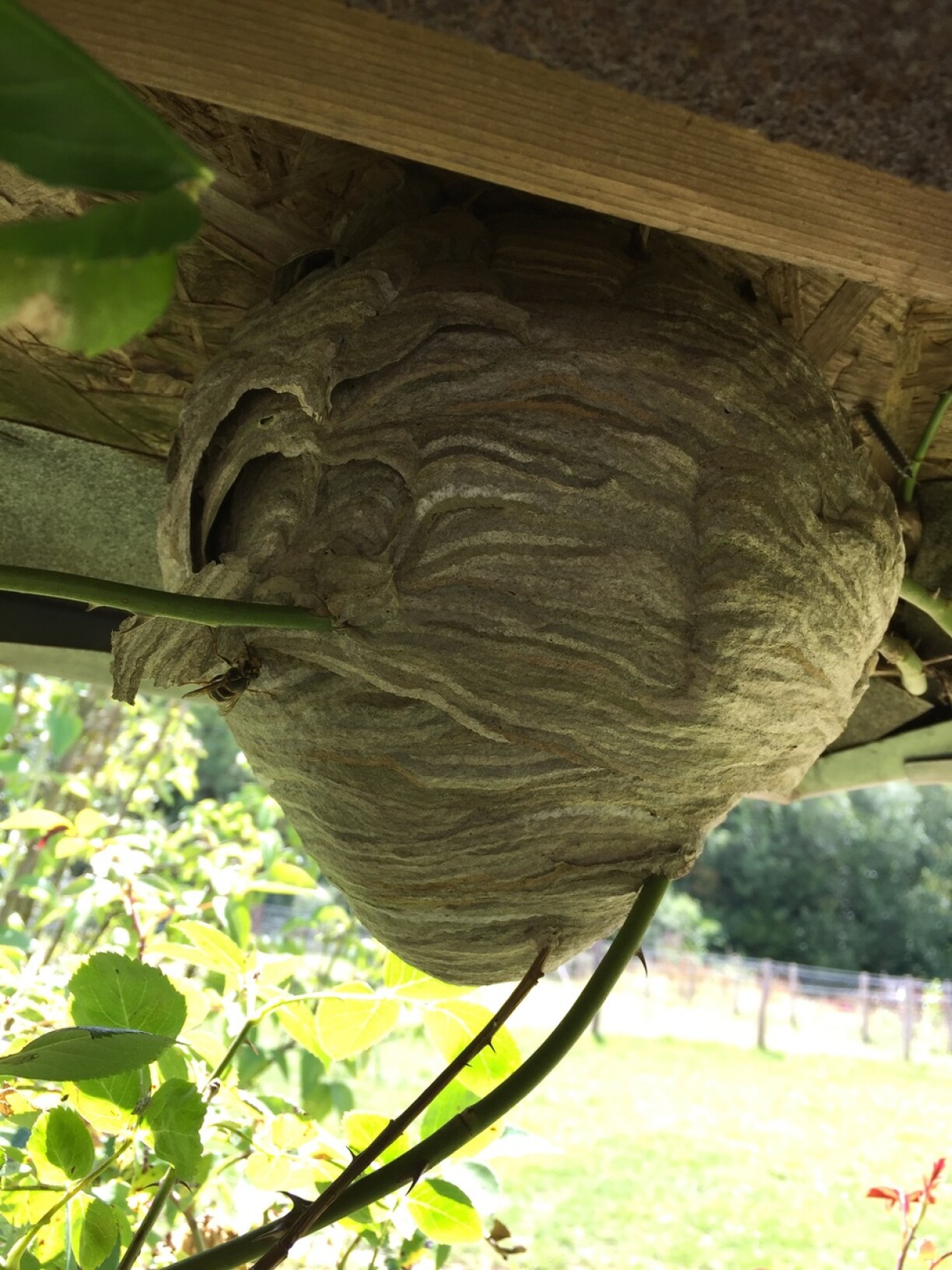
Mevis further talked about the different varieties present in the Luxembourgish eco system: "We have over 300 types of wasps, out of which only 15 live in social groups, while all others are solitary insects. Those who build nests together function much like bee hives. There are workers, drones, as well as a queen."
Once autumn starts approaching, there are fewer nurturing plants, which means that wasps have to get more creative if they want to continue feeding their larvae until September. This is why they tend to find their ways on our plates ever more often around that time.
Mevis elaborated on the situation: "The most important thing is to remain calm. Panic and hectic waving often leads to conflict situations instead of solving the problem. One should also be aware of the fact that wasps have to fly at a higher speed in order to properly use their vision."
Mevis also provided one last piece of advice on how to best protect against the insects: "Be careful when eating in the presence of wasps and avoid getting one into your mouth. Leave food covered for as long as possible to not attract insects beforehand. The same applies to drinks. Children are best advised to use straws, given that the likelihood of swallowing a wasp that way is very low. Washing hands after a finished meal is also important to get rid of any sweet scents."





