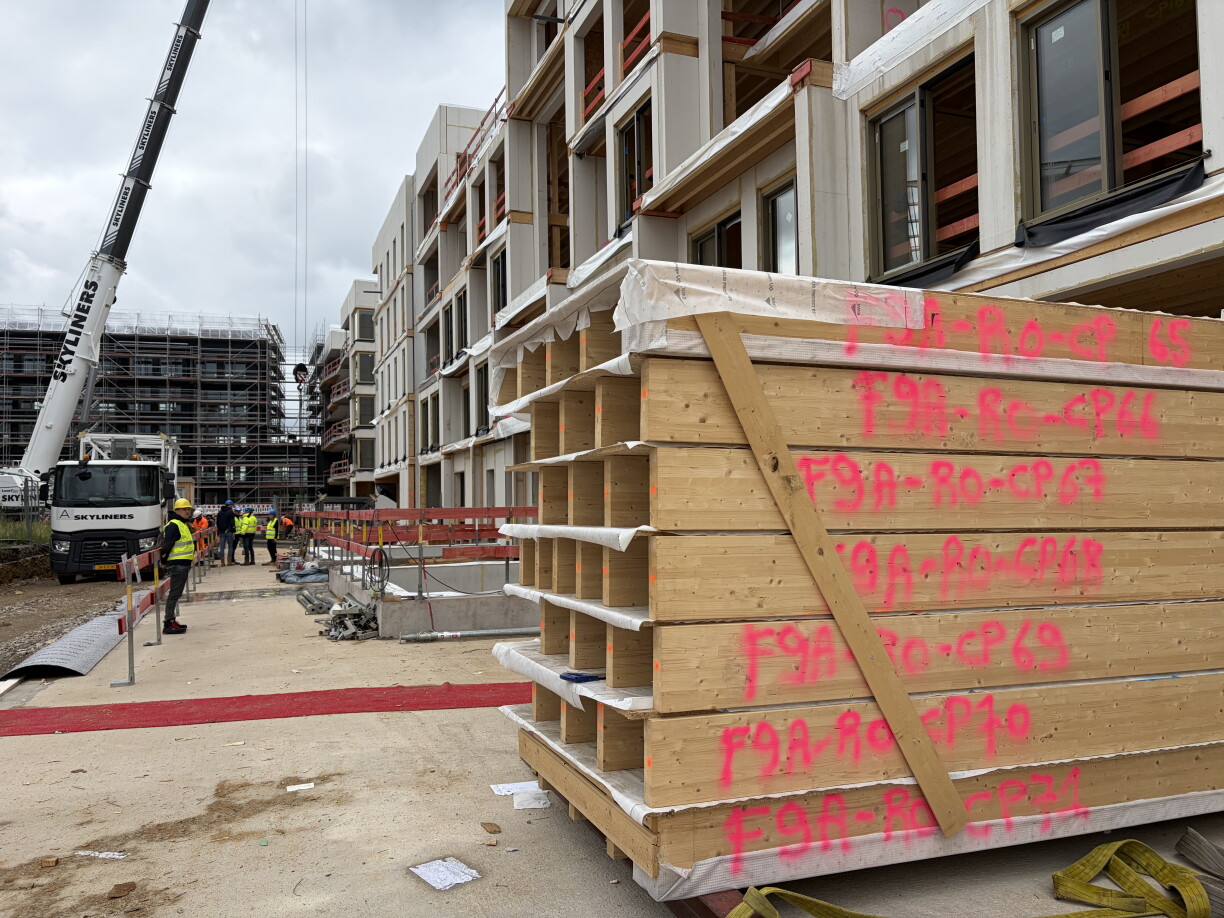
The Kiem2050 project in Kirchberg will feature four buildings with shops, offices, hospitality businesses, and 148 apartments. And with the exception of cellars and a few walls, everything will be built using timber for significantly reduced carbon emissions.
The wooden elements are prefabricated in a CIT Blaton factory near Liège in Belgium, then transported to Luxembourg and assembled on site.
According to Eric Doff-Sotta of CIT Blaton Luxembourg, the interiors can be adapted and reconfigured as needs change. In the future, the buildings can be dismantled, and the materials reused or recycled, supporting a circular economy approach.
Speaking to RTL, Marc-André Gennart, CEO of the Belgian construction group, explains that anyone aiming to build sustainably cannot ignore the use of timber.
The construction of the Kiem2050 project is expected to produce 30% fewer CO2 emissions than traditional building methods, without compromising on quality or lifespan. The timber, mainly beech and poplar, is sourced from Belgium and France.
However, Gennart notes that, like sand and oil, wood is a finite resource, so shortages could arise in the long term. Nonetheless, he points out that the modular nature of timber construction means the material can be recycled.
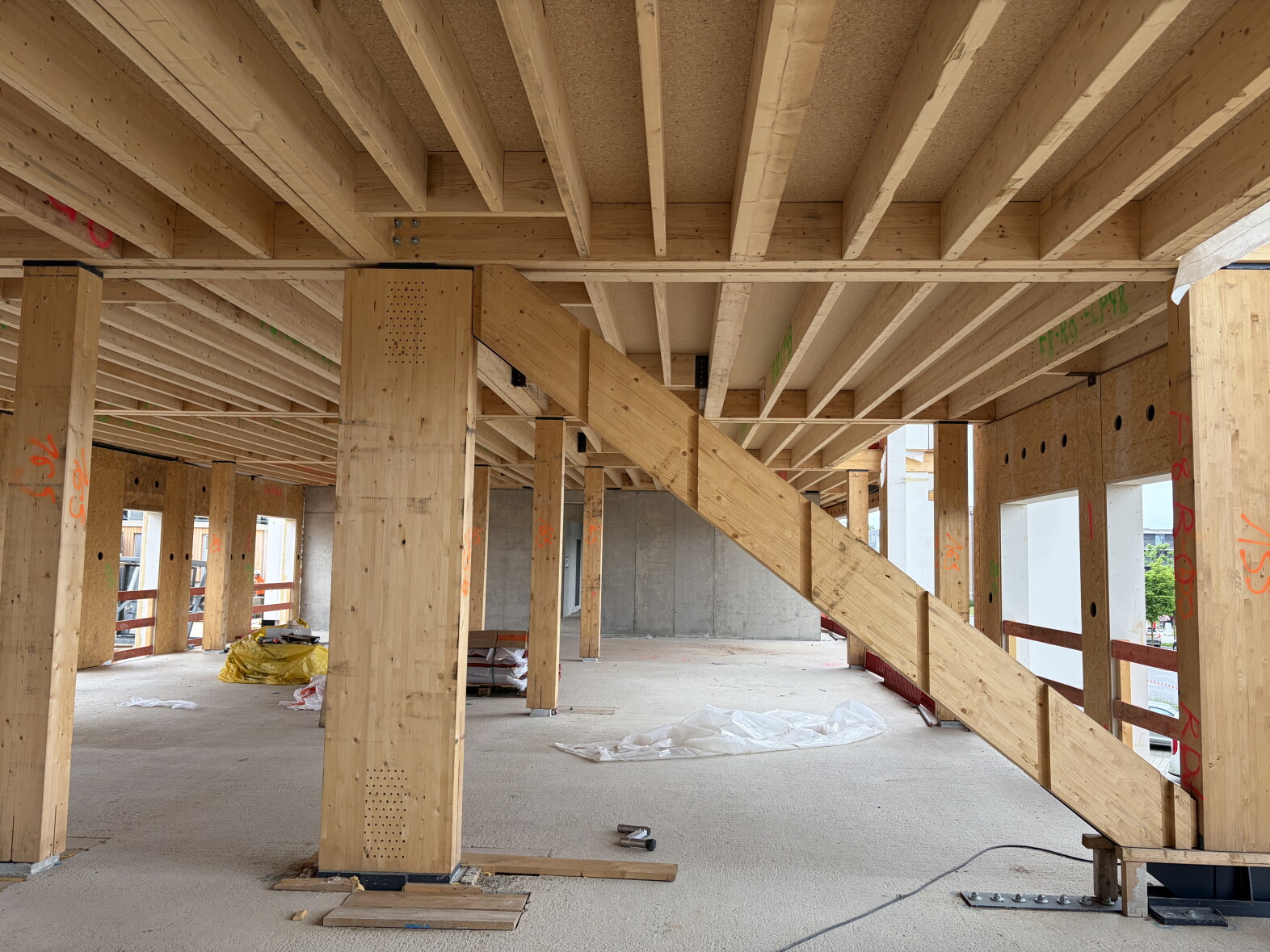
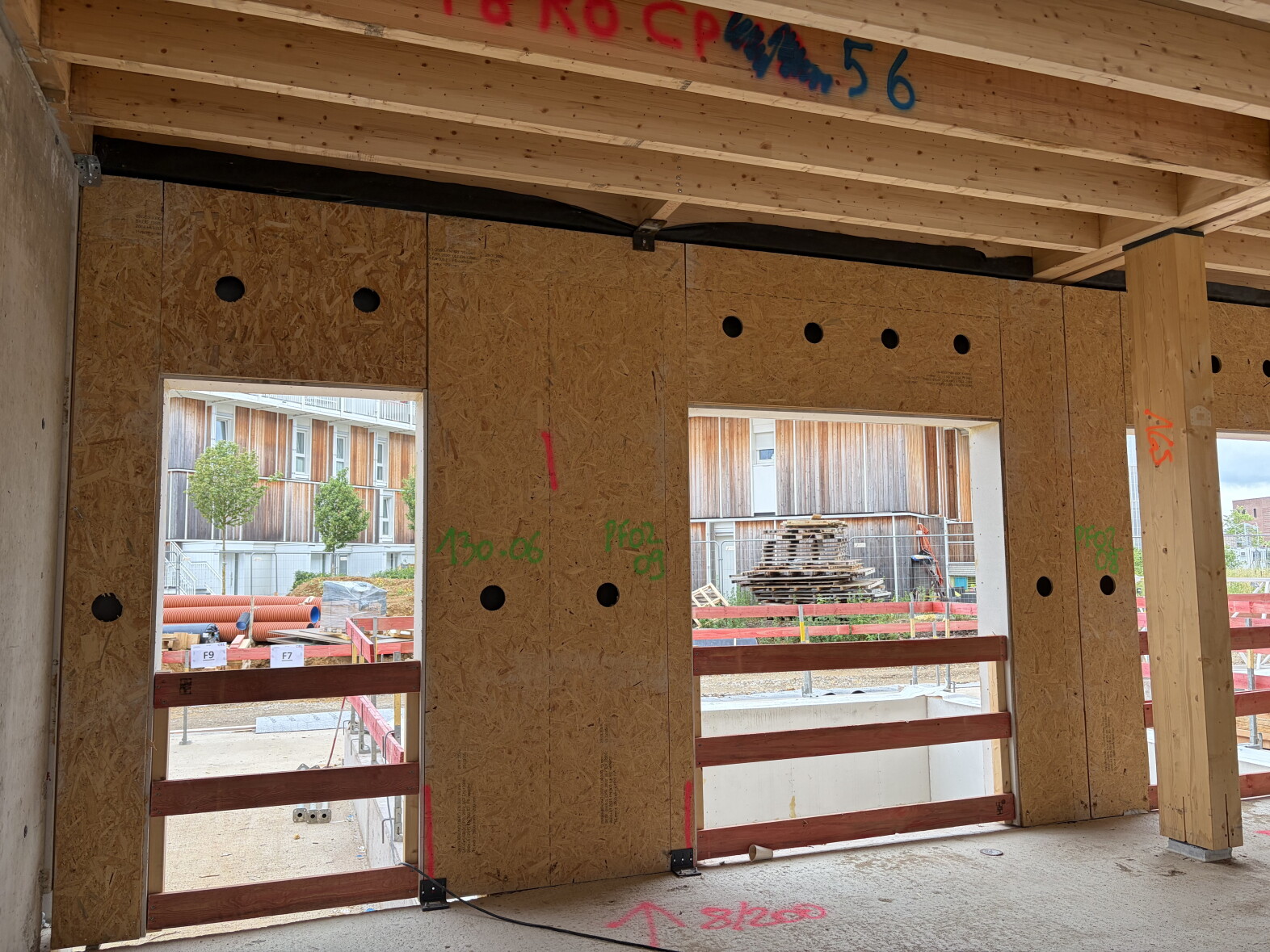
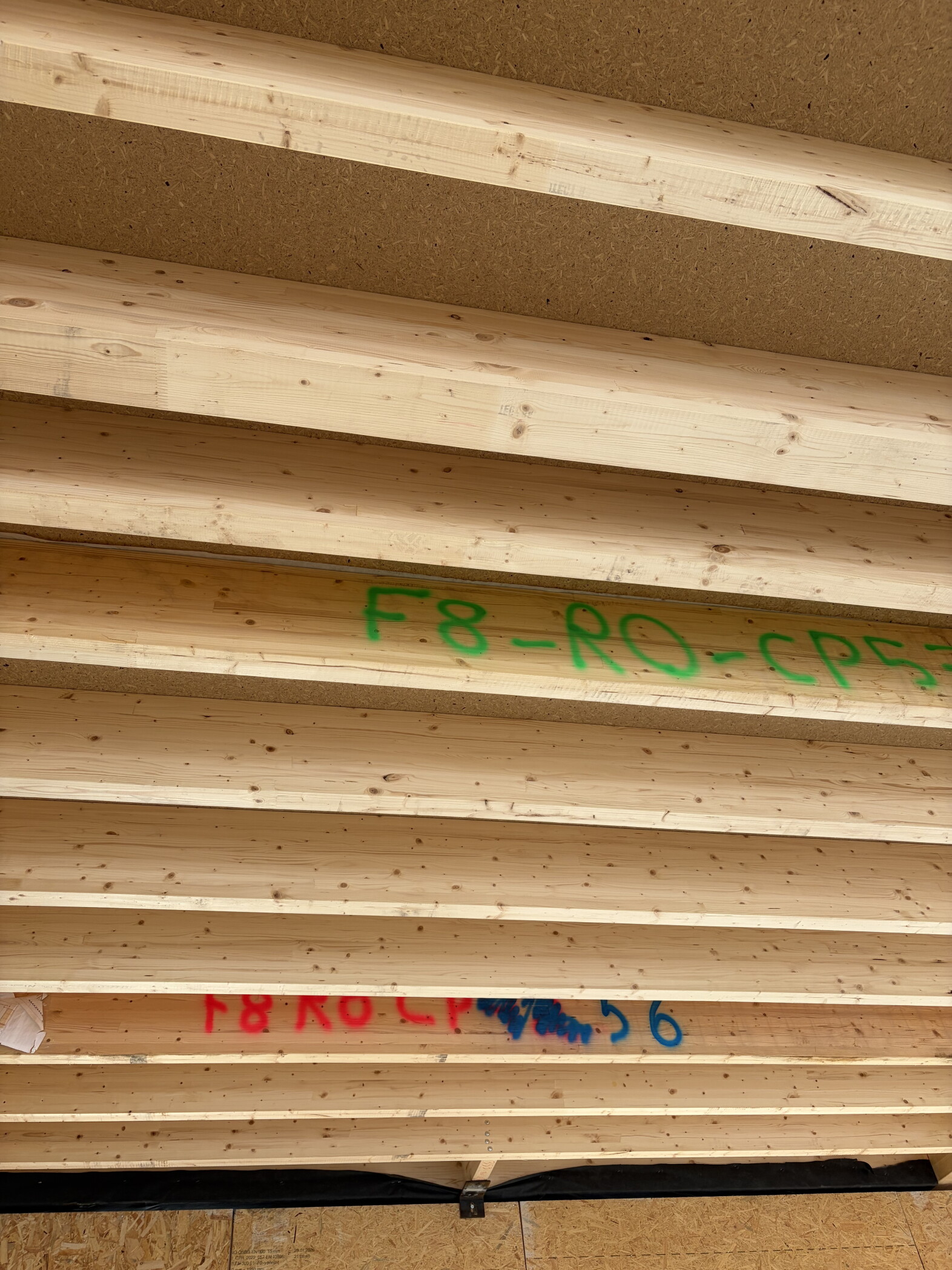
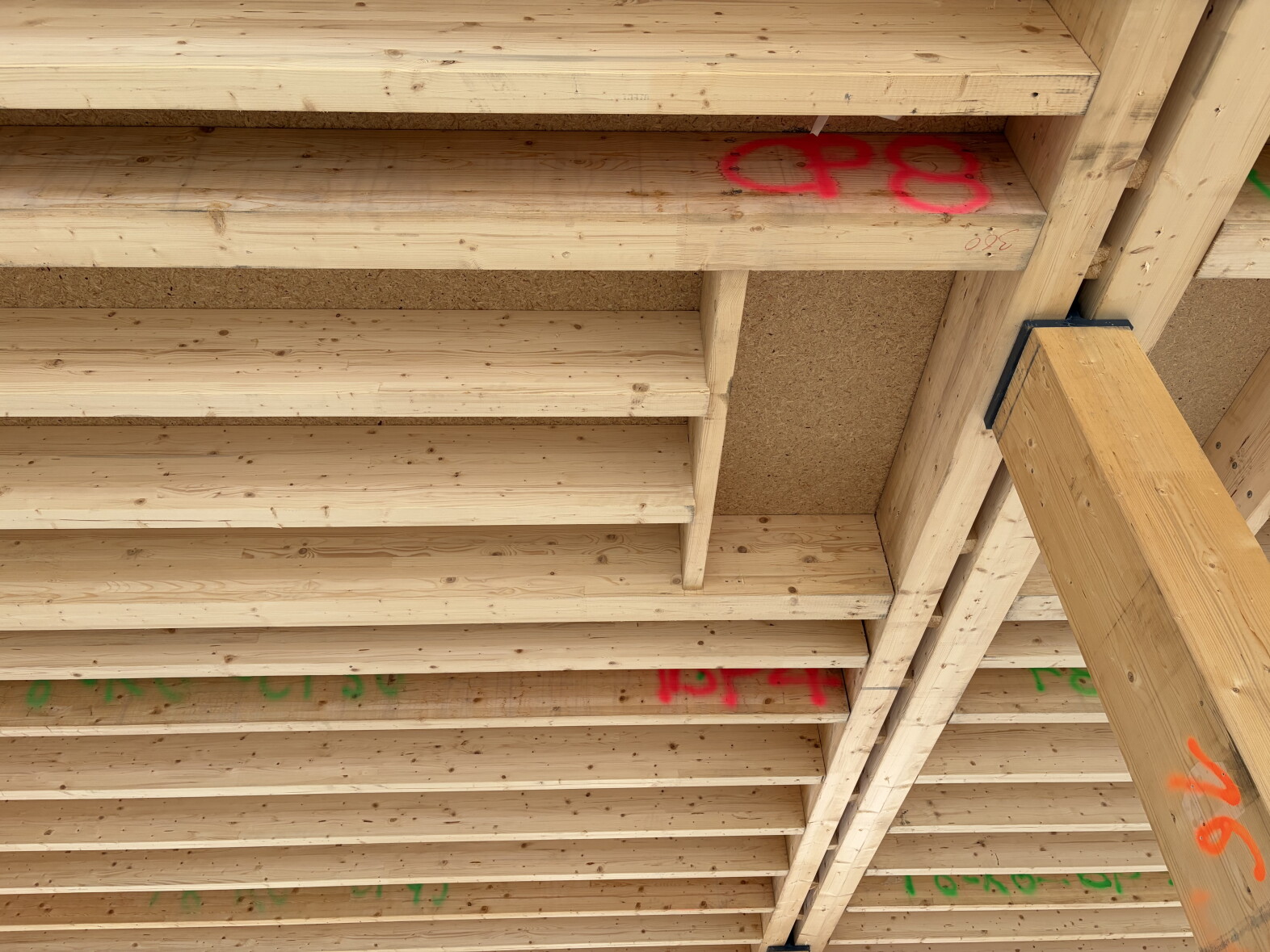
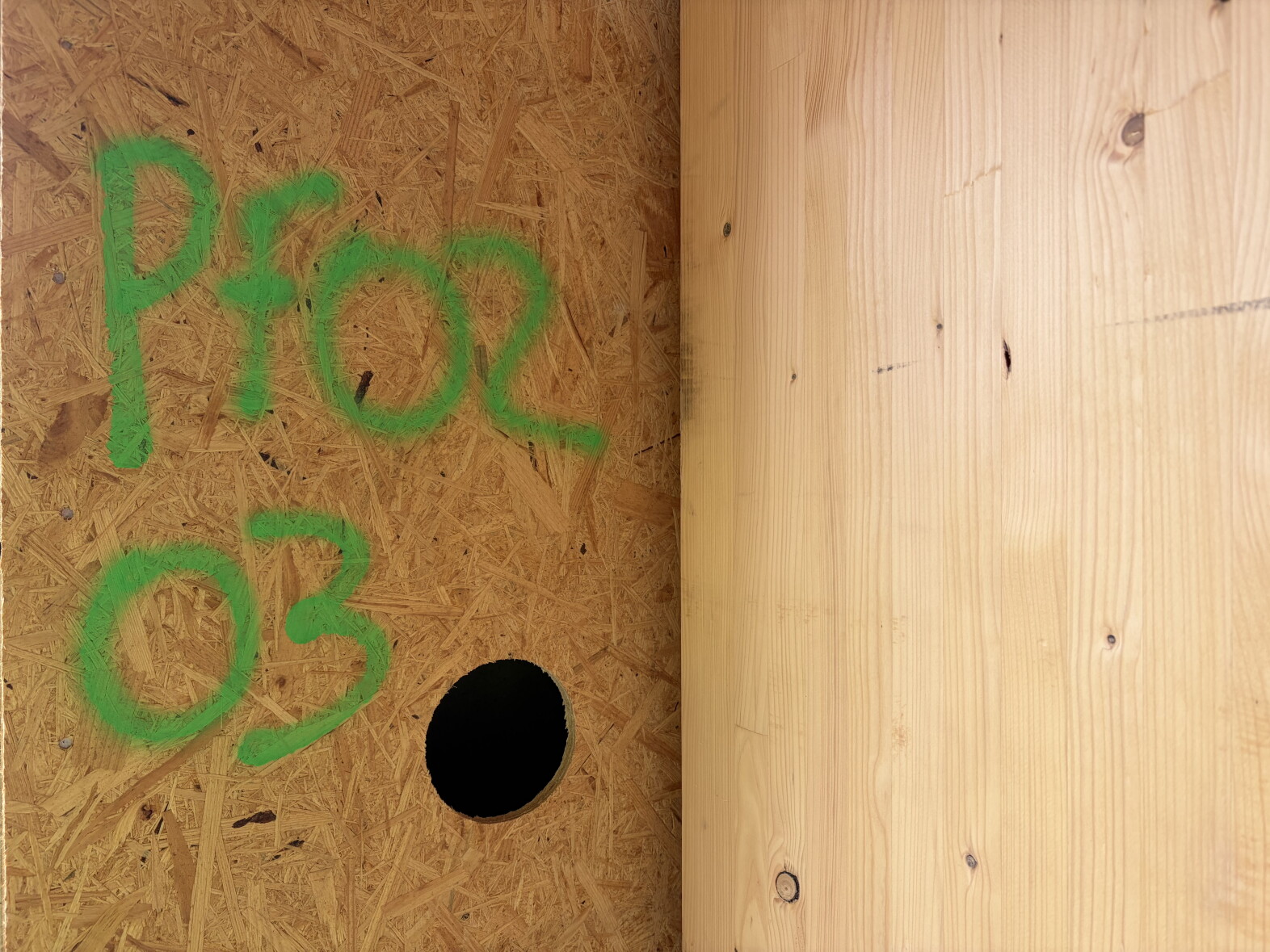
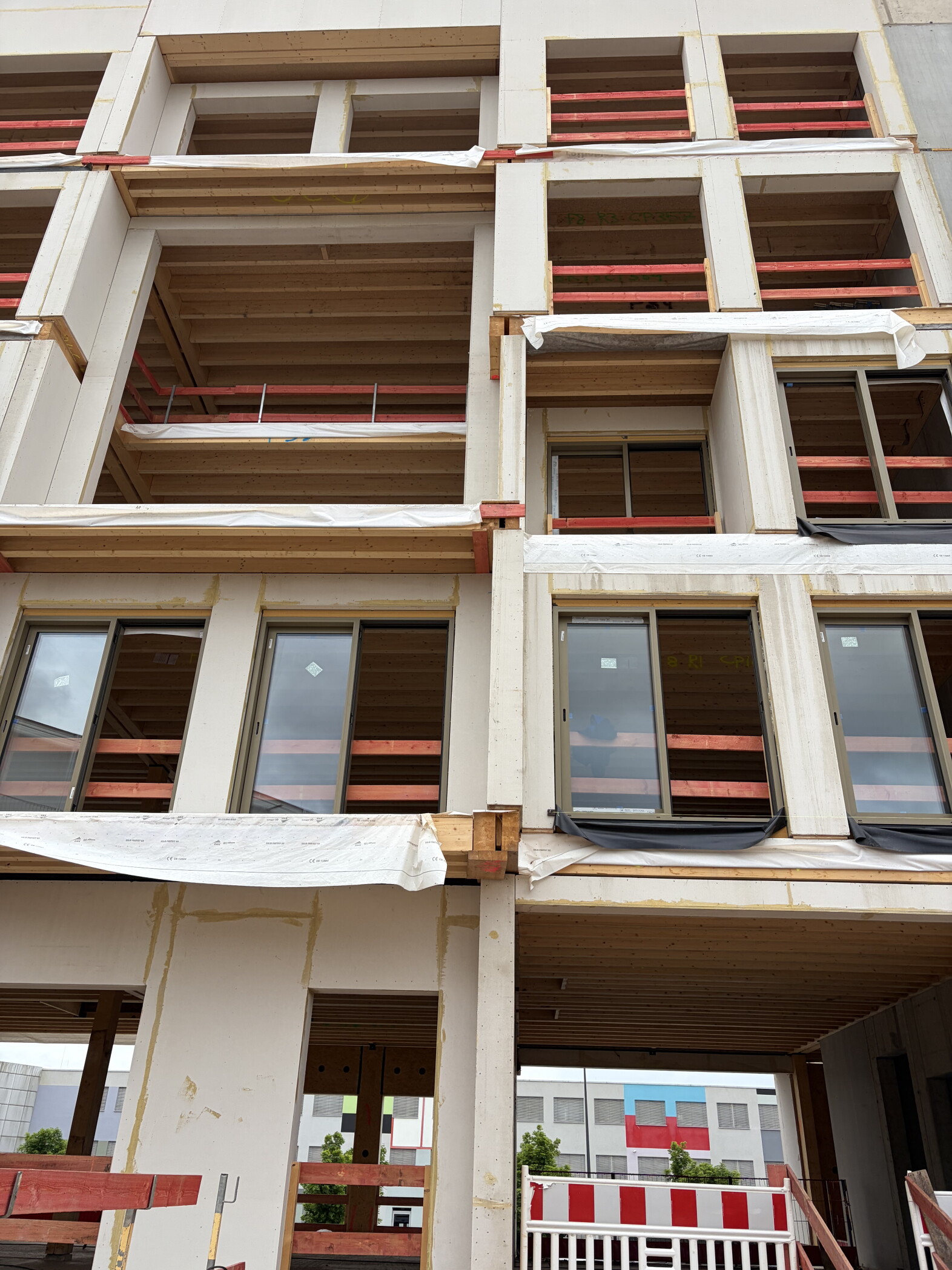
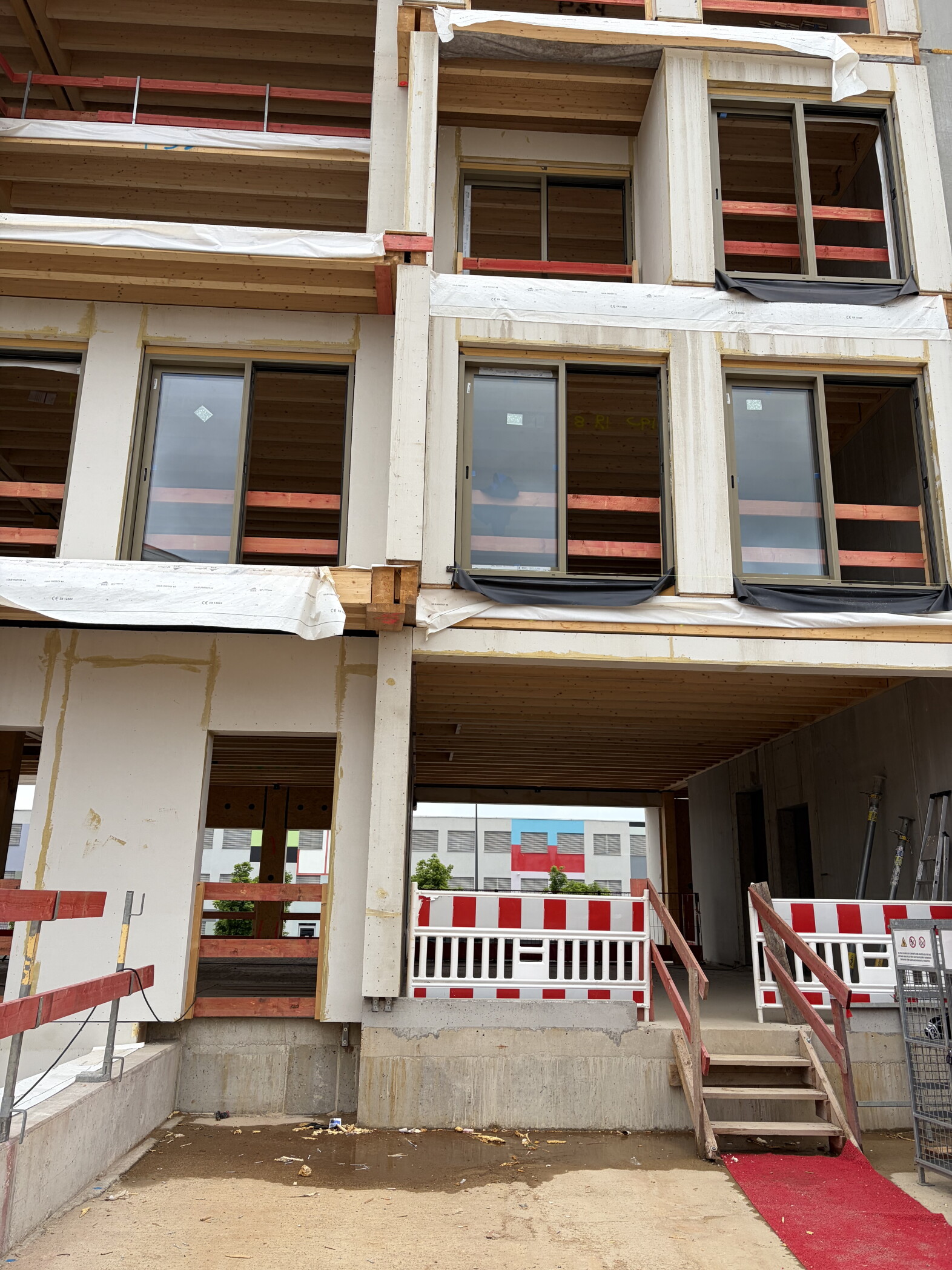
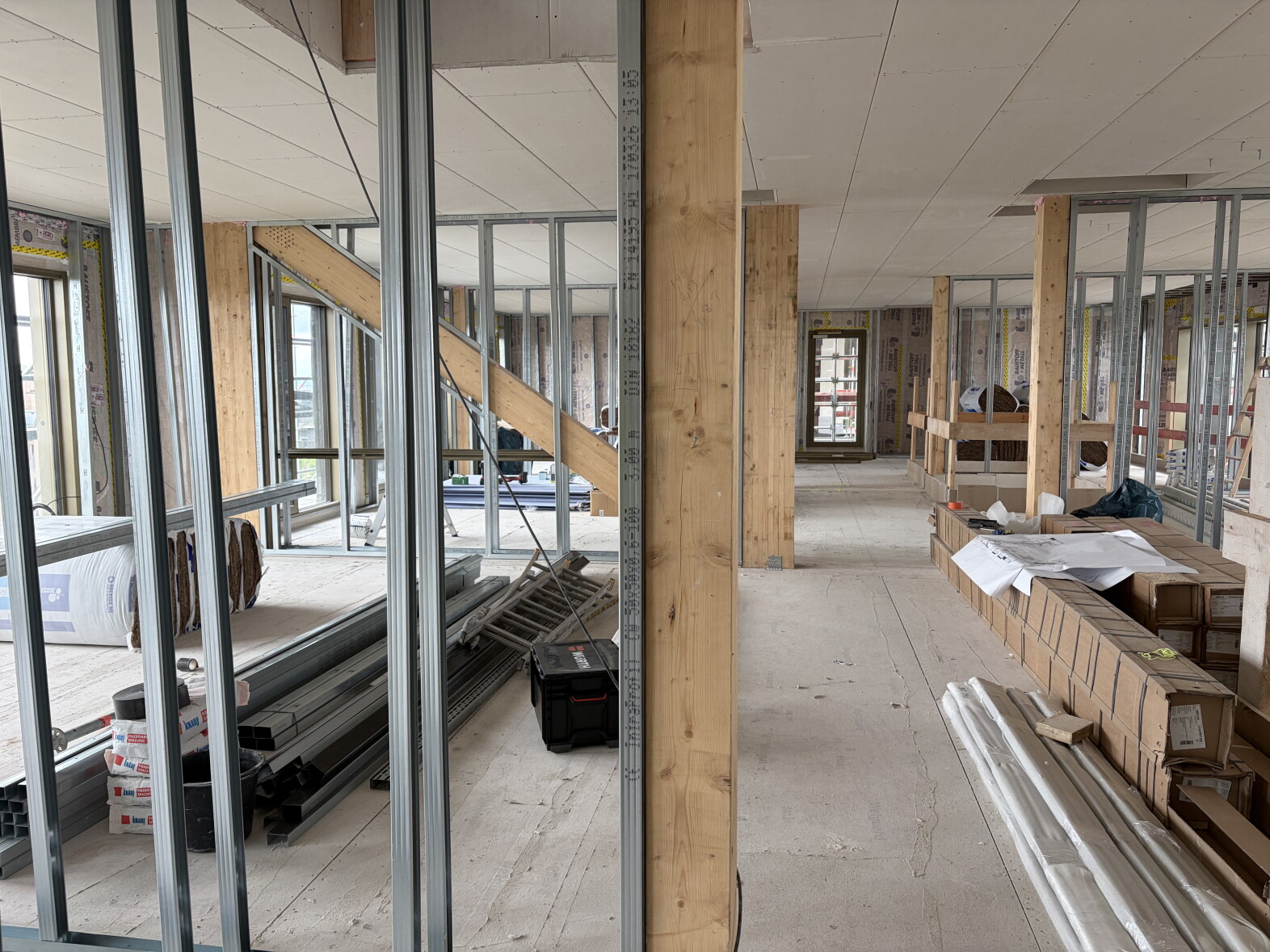


While the cost of timber construction is now on par with traditional building methods, the four Kiem2050 buildings do involve slightly higher expenses, admits Alexis Fischer, technical director at Immobel, the project developer that won the Kirchberg Fund's competition (FUAK) in 2018 to develop the site.
"The Kirchberg Fund aimed to construct the building of 2050", Fischer says. The project is therefore something of a laboratory, both technically and in terms of community living, with the planned shared facilities including a yoga room and a communal vegetable garden.
Fischer emphasises that the higher upfront costs are balanced out by the valuable experience and knowledge gained, which can help optimise future projects.
Still, like much of the property sector, the Kiem2050 project has faced difficulties with apartment sales. To ensure that construction could begin, the Kirchberg Fund purchased 135 of the planned 148 apartments, which are now being offered at affordable prices.
The first flats are expected to be ready by the end of 2027.





