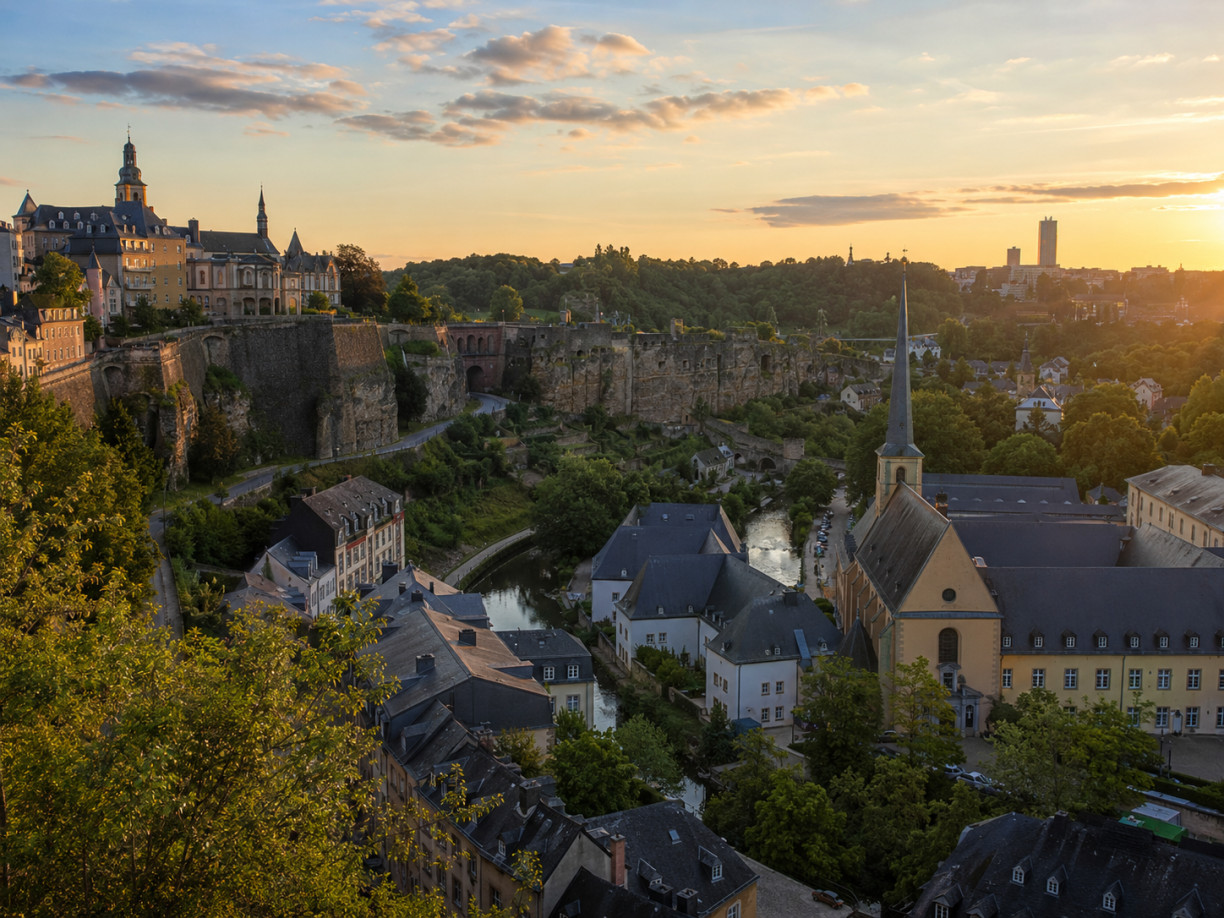
After days of soaring temperatures, it may already feel as though summer has been with us for a while. Astronomically, however, it begins with the summer solstice: the moment when the Northern Hemisphere is tilted most directly towards the Sun.
On 21 June, this moment marks the astronomical start of summer and gives Luxembourg its longest day of the year.
Of course, the day itself does not become longer than 24 hours. What changes is that the Sun spends more time above the horizon than on any other day of the year. In Luxembourg, that gives us a little over 16 hours of daylight, with true darkness barely making an appearance.
It is a familiar feeling in late June. Morning arrives early, evenings seem to stretch on, and even after sunset, twilight seems to linger endlessly. The day fades slowly, especially when the horizon is clear and the last light remains visible above the city rooftops or the hills of the Oesling.
This is the summer solstice, and the reason behind it is quite simple. Earth's axis is tilted by about 23.5 degrees as it travels around the Sun. Because of this tilt, the amount of sunlight we receive changes throughout the year.
Around the June solstice, the Northern Hemisphere leans most directly towards the Sun, which appears higher in the sky, takes a longer path from sunrise to sunset, and stays above the horizon for longer. That is why we get the longest day and the shortest night.
This also affects the landscape around us. Around the solstice, the Sun is higher in the sky, shadows are shorter, and sunlight reaches the ground from a steeper angle. That is why late spring and early summer are such intense periods for growth: trees are in full leaf, insects are everywhere, and the countryside is at its brightest.
However, the longest day is not usually the hottest day. This can seem surprising: if the Sun is highest and the day is longest, why is it often hotter in July or August? The reason is that the land, water and air need time to warm up.
The solstice brings the most daylight, but summer heat continues to build in the weeks that follow. This delay is known as seasonal lag.
In Luxembourg, the solstice also arrives just a few days before National Day, when much of the country is already moving outdoors: concerts, gatherings, fireworks, terraces, walks, and late evenings outside. The connection is not astronomical, but it suits the season perfectly: the brightest days of the year arrive just as people are ready to spend more time outdoors.
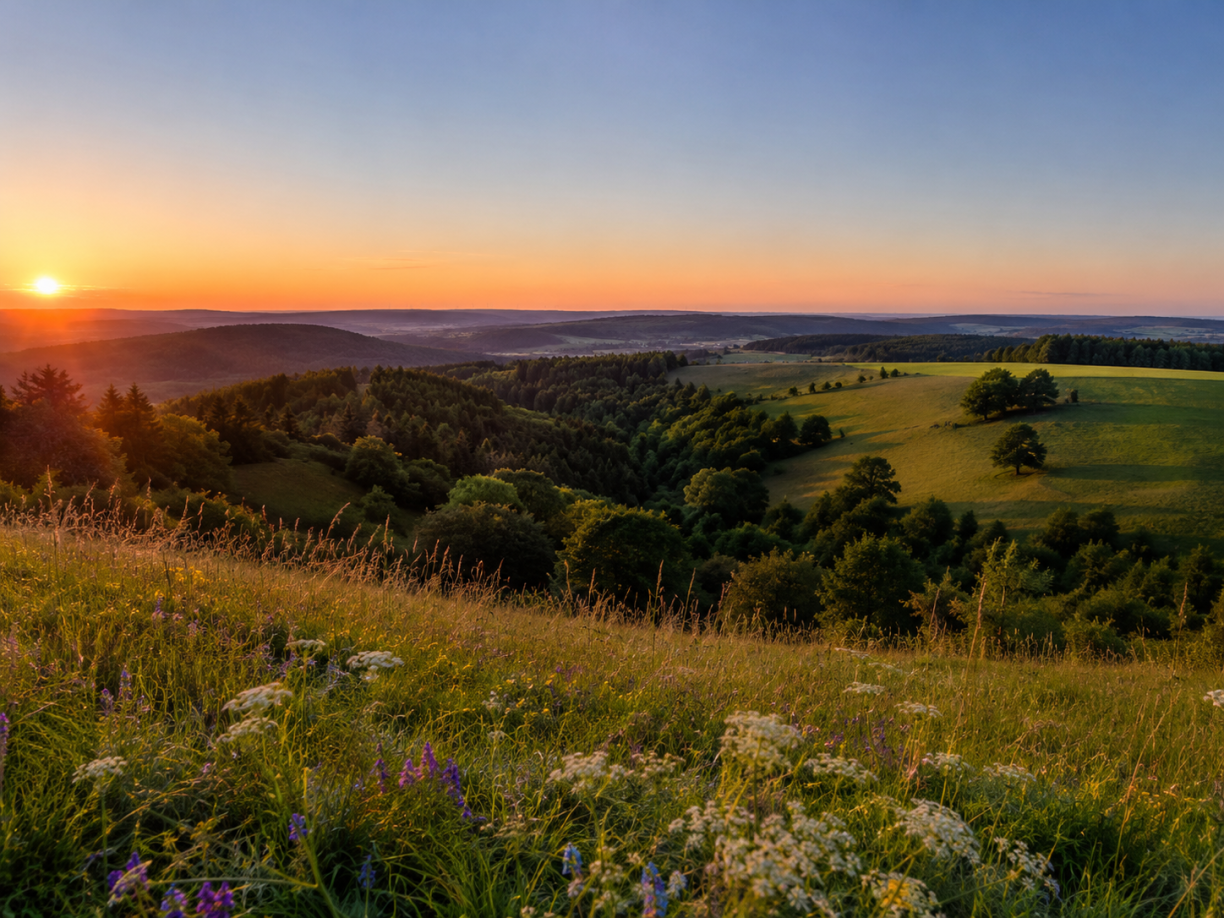
But the summer solstice also represents a turning point. After this day, the Sun's path appears slightly lower in the sky day by day. At first, the change is almost invisible, but little by little the days shorten, the nights lengthen, and twilight starts to retreat.
For astronomers and stargazers, this marks the slow return of darker skies. In June, especially towards the end of the month, the Sun remains close enough below the horizon to keep the sky slightly bright even after sunset.
This makes June a beautiful month for evening walks, but a difficult one for observing faint galaxies or nebulae.
From July onwards, darker skies gradually return, and the stars slowly take back the scene. The solstice may not be as spectacular as a meteor shower, a conjunction or an eclipse, but it is an astronomical event written into everyday life.
It shapes the hour we wake, the way we spend our evenings, the moment birds begin to sing, the length of our shadows, and the time when the first stars finally appear.
The longest day is also a reminder that astronomy is not always distant or spectacular. Sometimes, it is simply the light changing around us.





