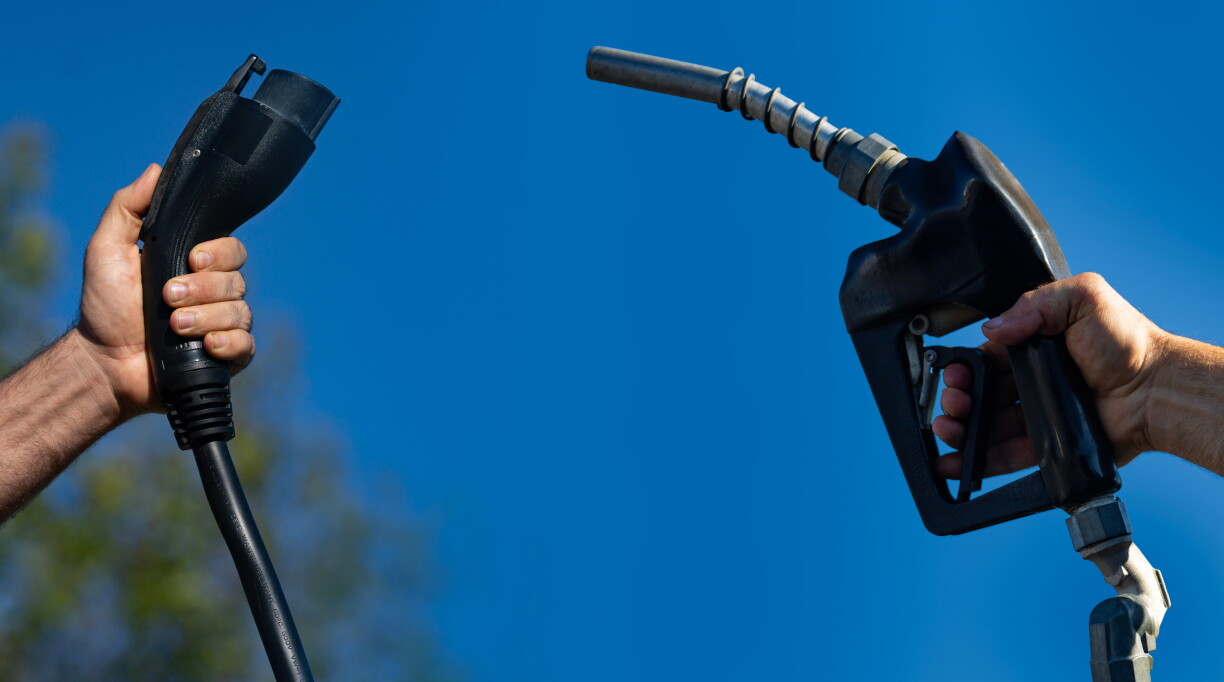
The ongoing energy crisis is hitting drivers of petrol and diesel vehicles far harder than those with electric cars.
According to a new study by Transport & Environment (T&E), an NGO promoting cleaner transport in Europe, motorists who drive long distances stand to save hundreds of euros every month by switching to electric vehicles.
Based solely on fuel costs, the savings for a driver covering 2,300km per month are around €200 compared to a conventional car.
While the figures in the study are based on French motorists, the savings remain significant even using Luxembourg’s current prices.
For a typical petrol-powered compact or family car consuming about 6.5 litres per 100km, and with current fuel prices at €1.65 per litre, a monthly distance of 2,300km can cost roughly €250.
By contrast, electric cars consume between 15 and 20kWh per 100km. At domestic electricity rates ranging between €0.13 and €0.28 per kWh, depending on provider and off-peak hours, the charging cost can be as little as €2 to €4 per 100km in some cases.
Even using the higher average of €5.60 per 100km, as taken by T&E, a driver charging at home would pay about €128 a month to cover 2,300km. This means a monthly saving of €122 compared to the petrol model.
The difference in running costs between petrol and electric vehicles becomes even more apparent when looking at the figures side by side.
However, the actual amount saved depends crucially on where and how the vehicle is charged. Charging mainly at home, especially during off-peak hours, is key to maximising savings.
Using fast-charging stations, which are more expensive, reduces the economic advantage, but does not eliminate it.
Savings extend beyond just charging. Electric cars are also cheaper to maintain, thanks to fewer moving parts and less wear and tear than combustion vehicles.
In total, the overall cost of running an electric car can be 30 to 40% lower than that of a petrol or diesel vehicle. These financial incentives have encouraged many motorists to make the switch.
Electric vehicle sales have soared since the start of the energy crisis, they account for nearly one in four cars sold in Europe in May, a 31.8% increase year on year.
Battery electric vehicles reached a market share of 23.6% in May 2026 across the 17 largest European markets, with 212,387 cars registered (a 34.4% rise compared to the previous year).
Bastien Gebel, head of automotive decarbonisation at T&E France, commented that "electric vehicles shield drivers from surging oil prices", and that slowing down electrification is not in Europe’s interest. He also added that "governments should resist any attempts to roll back the EU’s electric vehicle targets”.
Moreover, the widespread adoption of electric cars has helped Europe save an estimated €12 billion in oil imports over the past decade.