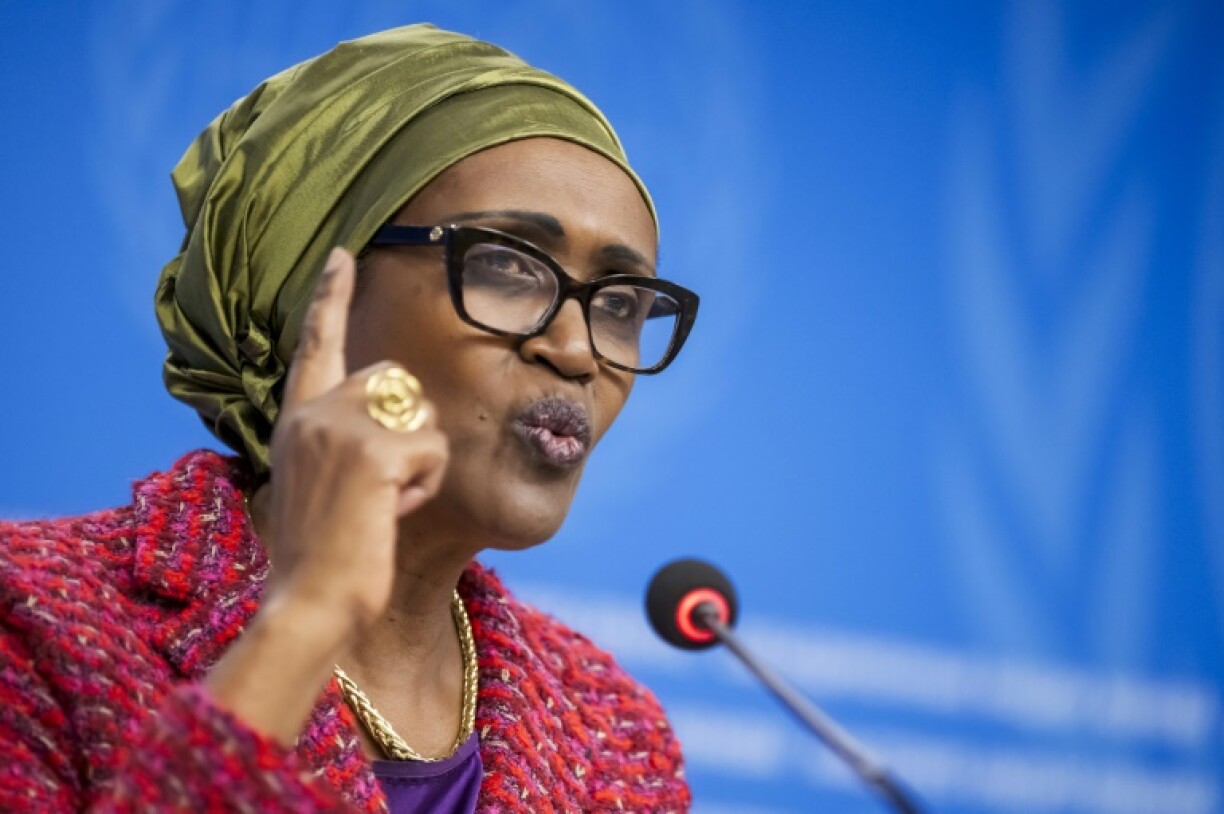
The sudden halt to US foreign aid funding has been "devastating", the UNAIDS chief said Monday, warning that without more funding, millions more will die and the global AIDS pandemic will resurge.
The United States has historically been the world's largest donor of humanitarian assistance, but President Donald Trump has slashed international aid since returning to the White House two months ago.
"It is reasonable for the United States to want to reduce its funding over time, but the sudden withdrawal of life-saving support is having a devastating impact," UNAIDS executive director Winnie Byanyima told reporters in Geneva.
"We urge for a reconsideration and an urgent restoration of services, life-saving services."
She warned that without more funding, "there will be an additional... 6.3 million AIDS-related deaths" in the next four years.
At the last count, in 2023, some 600,000 AIDS-related deaths were registered globally, she pointed out.
"So you're talking of a 10-fold increase."
At the same time, Byanyima said her agency expected to see "an additional 8.7 million new infections".
"You're talking of losing the gains that we have made over the last 25 years. It is very serious."
Looking further ahead than the next four years, if aid funding is not restored, "in the longer term, we see the AIDS pandemic resurging, and resurging globally," Byanyima said.
"Not just in the countries where now it has become concentrated, in low-income countries of Africa, but also growing amongst what we call key populations in Eastern Europe, in Latin America," she said.
"We will see a... real surge in this disease. We'll see it come back, and we'll see people die the way we saw them in the '90s and in the 2000s."





