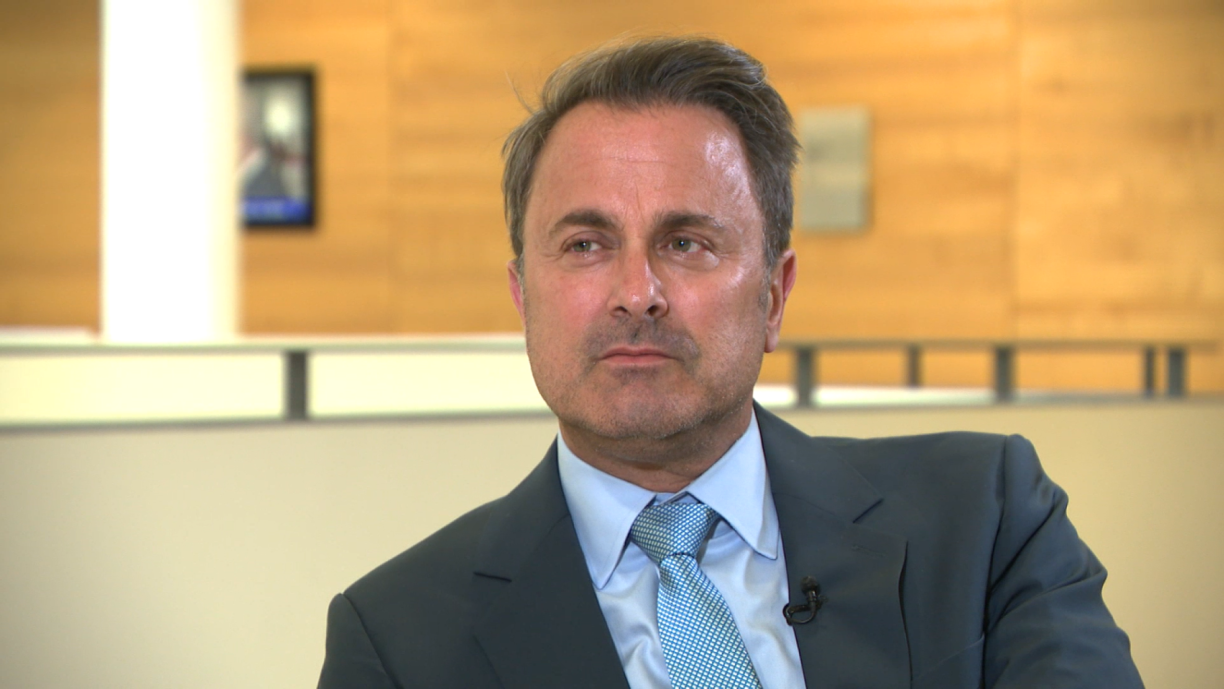
Luxembourg's Foreign Minister Xavier Bettel has warned of the risk of a "second Gaza" in Lebanon if the current situation continues, and has called for Israel to withdraw its forces from southern Lebanon. Speaking after a meeting of EU foreign ministers in Luxembourg, Bettel signalled his willingness to back sanctions against Israel in response to actions in the region.
Bettel underscored that it is not for Israel to decide what happens in Lebanon or to unilaterally establish a buffer zone. He pointed out the EU's consistent opposition to Russia's occupation of Ukrainian territory, arguing that it would be unacceptable to turn a blind eye to similar actions by Israel. However, Bettel noted that despite extensive discussion among the foreign ministers, six EU countries continue to block any measures against Israel.
He clarified that Luxembourg cannot impose sanctions on its own, as such decisions require unanimous approval within the European Union, making agreement difficult to achieve.
Addressing Israeli settlements in the West Bank, Bettel described the situation as "unacceptable" and said those responsible should face EU sanctions. He explained that progress on sanctions has been slow, largely due to opposition from Hungary, which has blocked several initiatives. Bettel said the EU is now considering measures such as a ban on imports from West Bank settlements, but Luxembourg’s direct imports are minimal and generally come via other countries. He stressed the importance of finding a common approach within the EU.
Turning to the conflict in Iran, Bettel acknowledged in an interview with RTL that the situation is highly complex. He highlighted the strategic importance of the Strait of Hormuz, noting that political measures – including a multinational initiative to secure the waterway – have been taken. While Luxembourg’s capacity for involvement is limited, Bettel suggested that support could be offered, for example through satellite monitoring. However, he cautioned that any action must be carefully considered.
Nonetheless, Bettel emphasised that the mission to protect shipping in the Strait of Hormuz should not become a NATO operation. He explained that NATO's Article 5 outlines a defensive response if a member is attacked, but insisted that the current initiative is defensive only and should not draw Europe into unwanted conflict. He argued that if countries wish to participate, they can do so, but Europe must avoid being drawn into a war it does not seek.
Responding to recent verbal attacks from the US administration targeting Europeans, Bettel advised against always responding in kind.
"It is not because someone shouts loudly that you have to shout even louder. Sometimes it is better simply to ignore it – that can be an even stronger response than shouting back", he told RTL.