On 24 February 2022, Russia launched a large-scale invasion of Ukraine, violating international law. The attack pushed not only Ukraine but the whole of Europe into a new and bloody phase, fundamentally reshaping daily life and politics ever since.
This war is not merely a military confrontation. It represents a watershed moment for Ukrainian society, for the region, and for relations between Russia and the West. The conflict has raised profound questions about sovereignty, security, and the future of the European order.
Russia itself long avoided calling it a war, instead referring to a "special military operation" aimed at "liberating" Ukraine from "Nazis". Moscow has gone so far as to prosecute, convict, and imprison Russian citizens who publicly describe the conflict as a war or criticise Russia's actions in Ukraine.
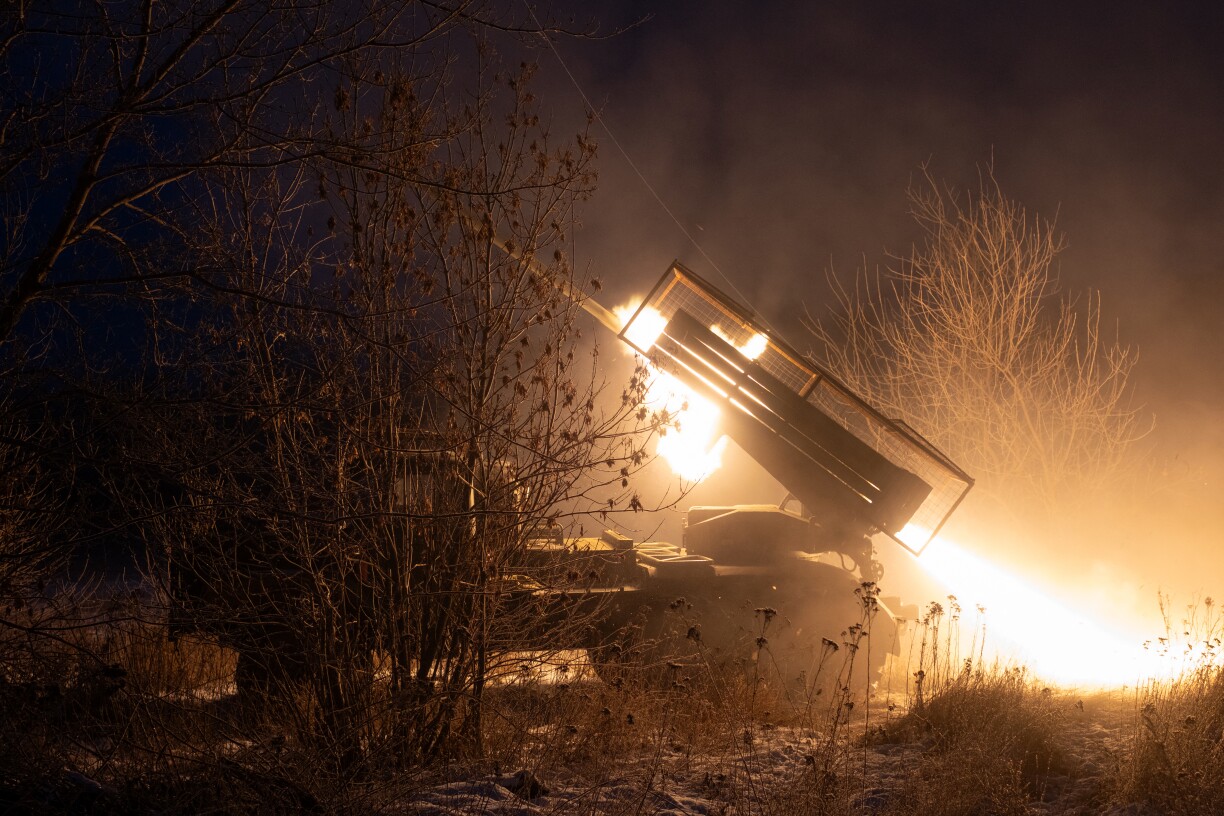
From the very first hours of the invasion, the picture of the conflict evolved rapidly: major offensives, the occupation of parts of the territory, and a front line in the east and south that, in the years following the invasion, developed into a prolonged and often bloody war of attrition.
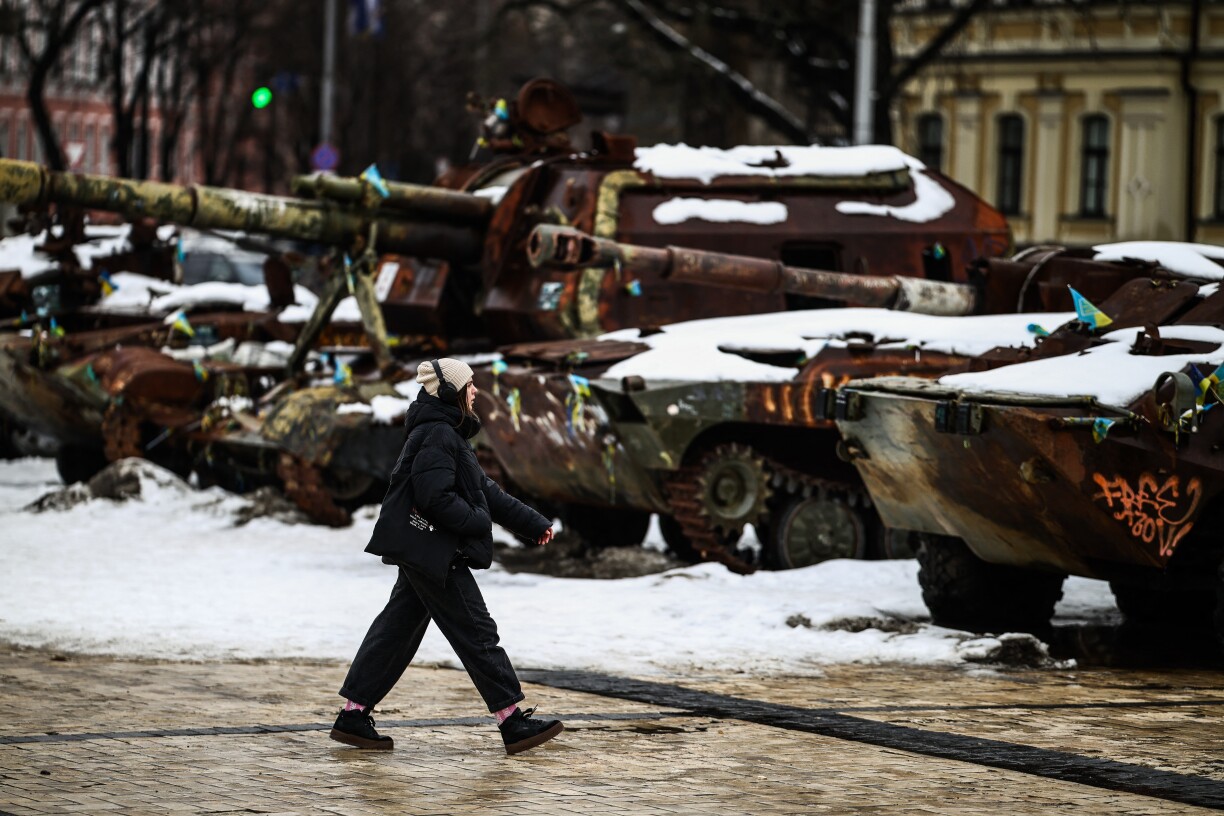
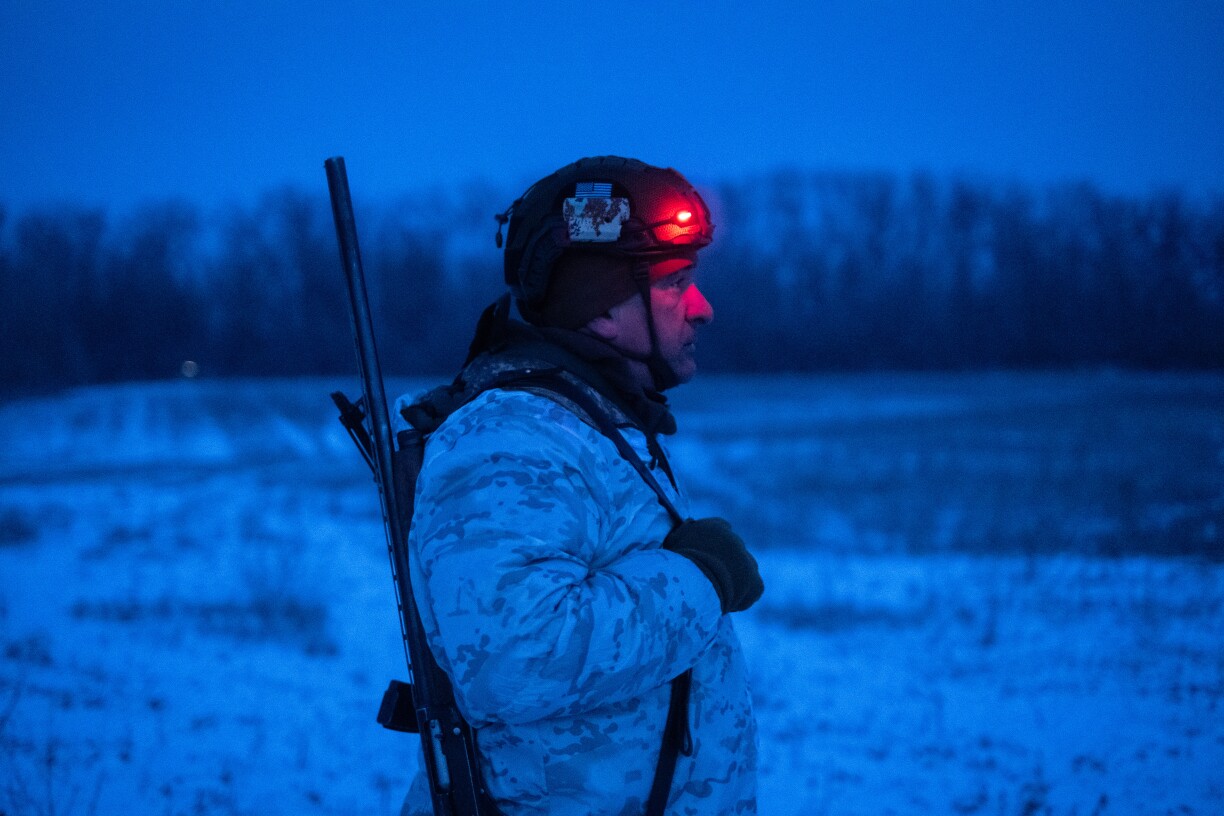
The figures illustrating the consequences of this war are dramatic. Millions of people have fled their homes, with more than 10 million refugees spread across Europe. The United Nations and other organisations describe it as one of the largest waves of displacement since the Second World War. Ukraine quickly closed its borders to men aged between 18 and 60, requiring them to remain in the country to defend it. In August 2025, the minimum age for compulsory military service was raised to 22.
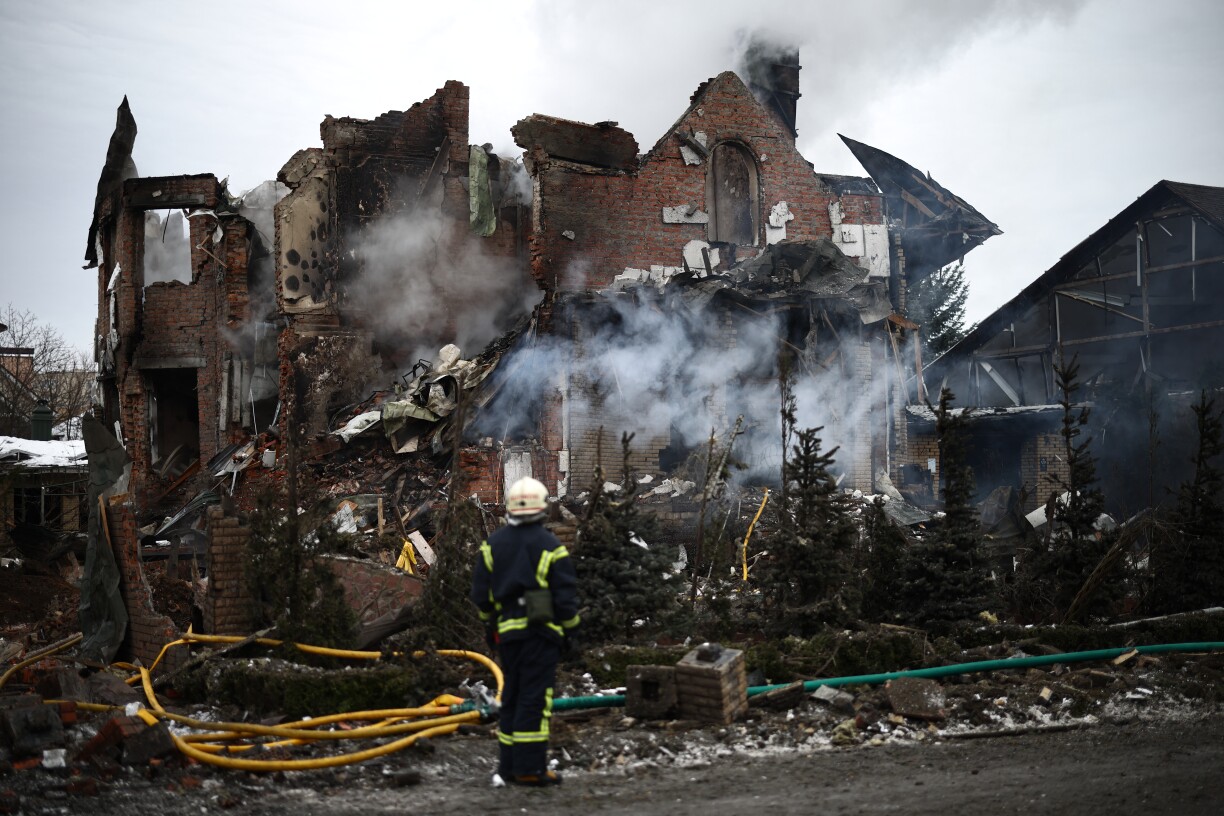
Those who have remained live under constant threat. Cities and villages have been destroyed; homes, schools, and hospitals have been bombed. Infrastructure, particularly energy supply, has been deliberately targeted, plunging the civilian population into severe hardship during the winter months.
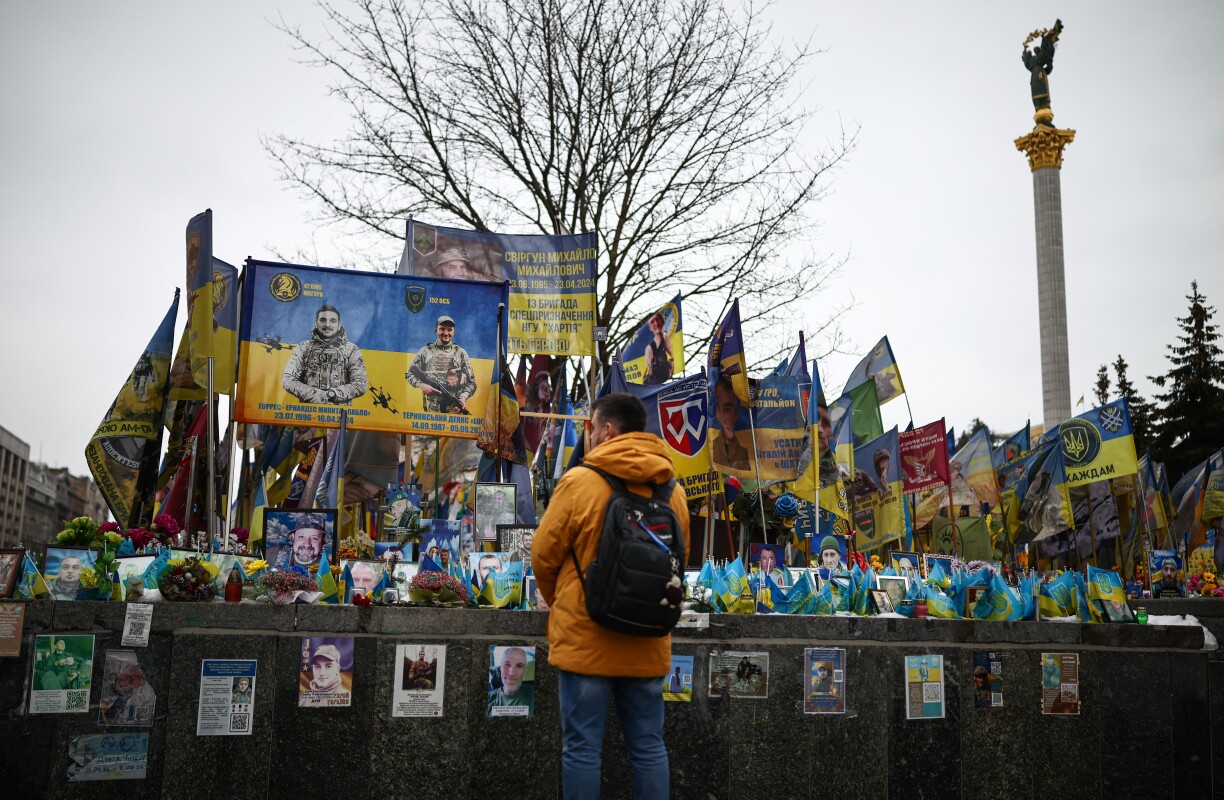
The human toll has been especially tragic for children. UNICEF has documented that thousands have been killed or injured, that schools and healthcare facilities have suffered extensive damage, and that the psychosocial impact has been immense. Many children have witnessed the deaths of family members or classmates.
Since 2014, and especially after 2022, UNICEF has mounted large-scale humanitarian operations to provide emergency assistance, psychosocial support, and educational services to affected children.
Economically, the war has severely damaged Ukraine's economy and infrastructure. Estimates of economic losses and reconstruction costs run into the hundreds of billions of euros, with long-term negative consequences for trade, energy infrastructure, and investment.
At the international level, the invasion prompted a strong response: a series of far-reaching sanctions against Russia, and the withdrawal of many Western companies from the Russian market.
Ukraine has received extensive military, financial, and humanitarian support from EU countries, the US, and other partners. Moscow has faced political isolation at major international summits, as well as exclusion from sporting and cultural events.
This support has helped Ukraine defend itself since 2022 and launch counteroffensives. However, it has also reshaped geopolitics and reignited debate over escalation risks and NATO's role in Europe. Since early 2025, when Donald Trump returned to power in the US, it has become significantly more difficult for Ukraine to secure American assistance.
After four years of war, the state of negotiations remains unclear. There have been several rounds of talks, both at the very beginning of the conflict and again in late 2025 and early 2026, but a stable, comprehensive peace agreement is not in sight.
This is largely due to the fact that Ukraine refuses to accept Russian demands to relinquish the entire Donbas region, while Russia in turn is unwilling to recognise either the pre-war borders or the current front line as a final boundary. In many areas, the front lines remain fluid, and the risk of further escalation, including attacks on energy facilities and civilian infrastructure, remains high.
The future will depend on whether diplomatic efforts, security guarantees, and sustained international support can be combined to achieve a solution that allows Ukraine to safeguard its sovereignty and rebuild the country, without plunging the region and Europe into an even deeper crisis.
Drones have played a significant role in the war in Ukraine since its initial phase in 2022. Since 2023 and in the years that followed, they have become the dominant, and often decisive, category of weapon.
Since the invasion, both sides have used drones for reconnaissance, target acquisition, and direct attacks. The combination of affordable access to commercial systems, the development of specialised kamikaze and first-person view (FPV) drones, and the capacity to produce them in large numbers has greatly increased their importance.
This has transformed warfare: not only high-tech systems, but also low-cost FPV drones have had a direct impact on tactics along extensive front lines.
Their price and availability enable mass deployment. Drones can deliver precise, localised destruction without risking pilots' lives. They improve coordination between reconnaissance and strike capabilities, while forcing opponents to invest in sophisticated counter-drone systems, raising both the cost and complexity of defence.