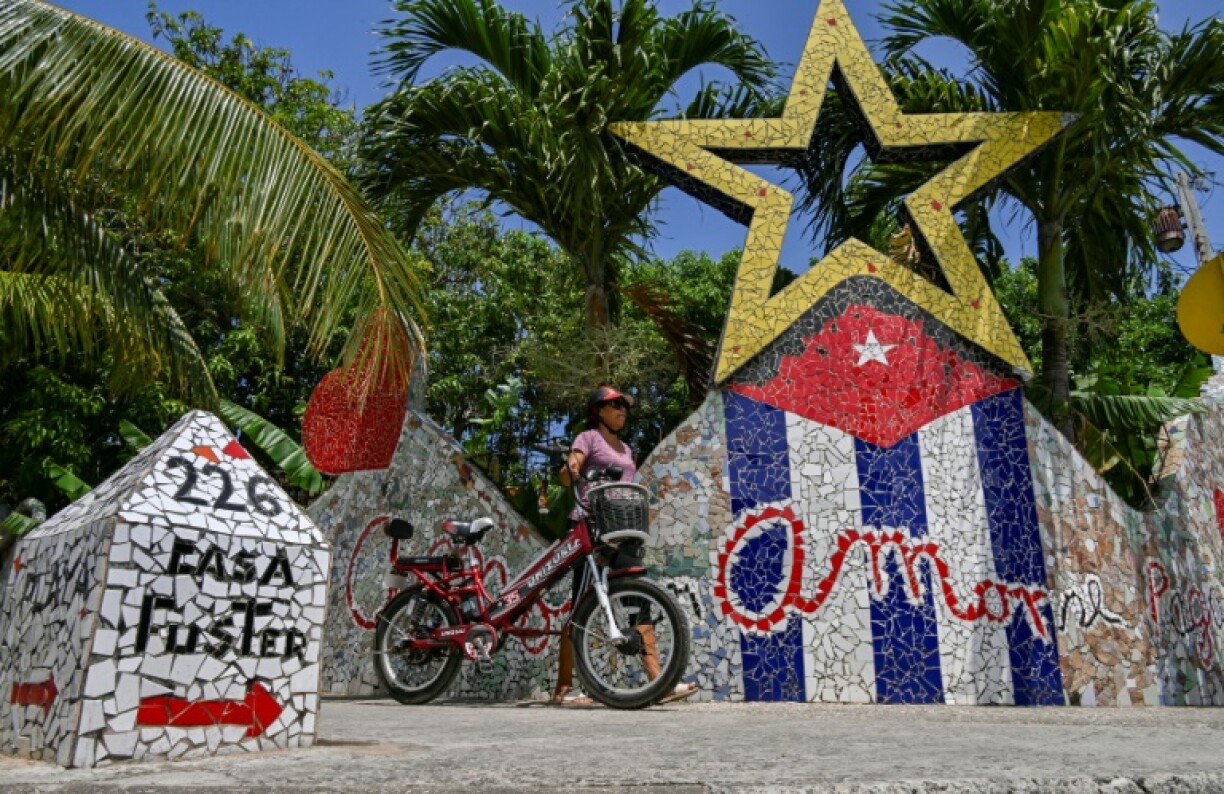
In 1994, Cuban artist Jose Fuster started plastering his home with colorful mosaic palms, animals and Picasso-esque figures. An oddity became a trend: today the entire town of Jaimanitas is a celebration of his ceramic art.
A thousand tourists a week, from as far afield as Europe, Russia and Mexico, visit the sleepy fishing spot transformed by Fuster into a theme park town with a fairy castle vibe -- jokingly called "Fusterlandia" in a nod to its most famous resident.
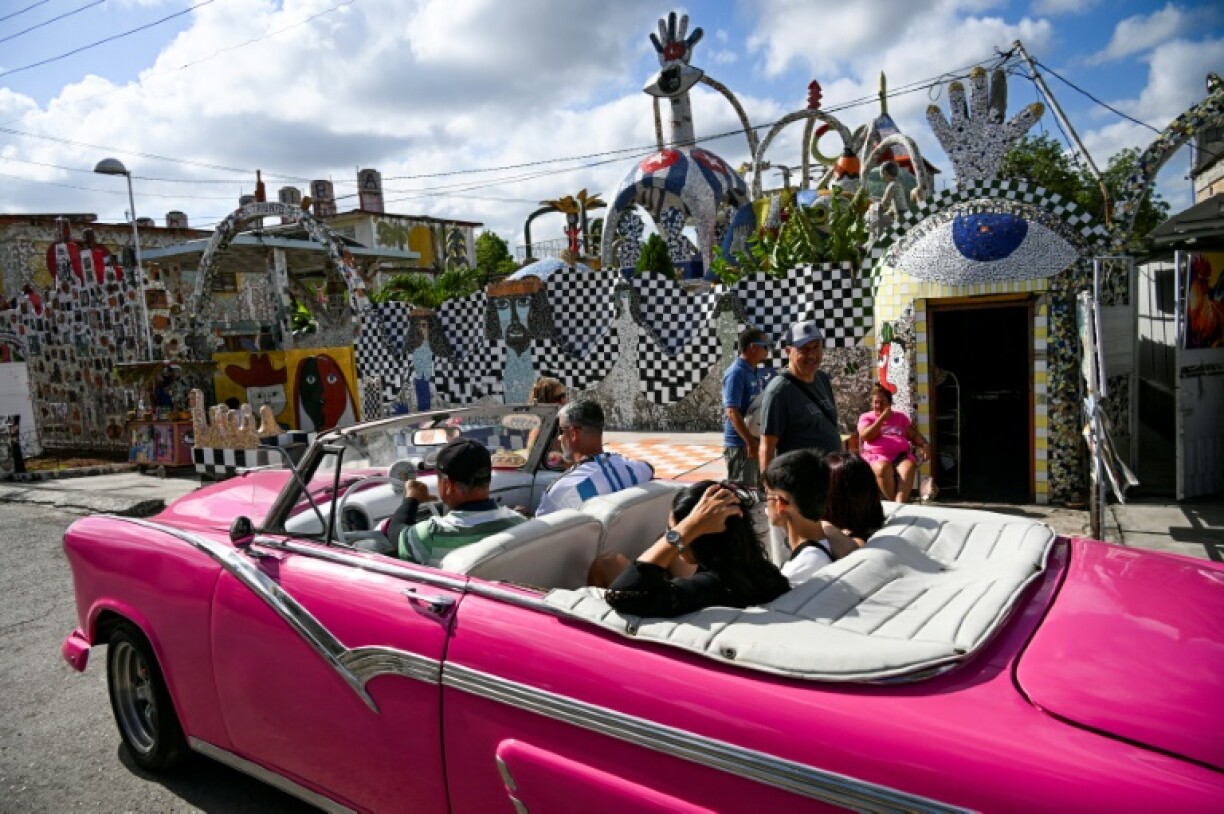
West of the capital Havana, Jaimanitas's buildings, homes, walls and bus stops have all become displays for the 79-year-old's artistic vision.
"I found the formats of canvas, ceramics, to be too small," he told AFP.
Fuster said he pays for the mosaic materials from sales of his art, some of which he exhibits at his famous former house -- now a gallery for his paintings, sculptures and ceramics.
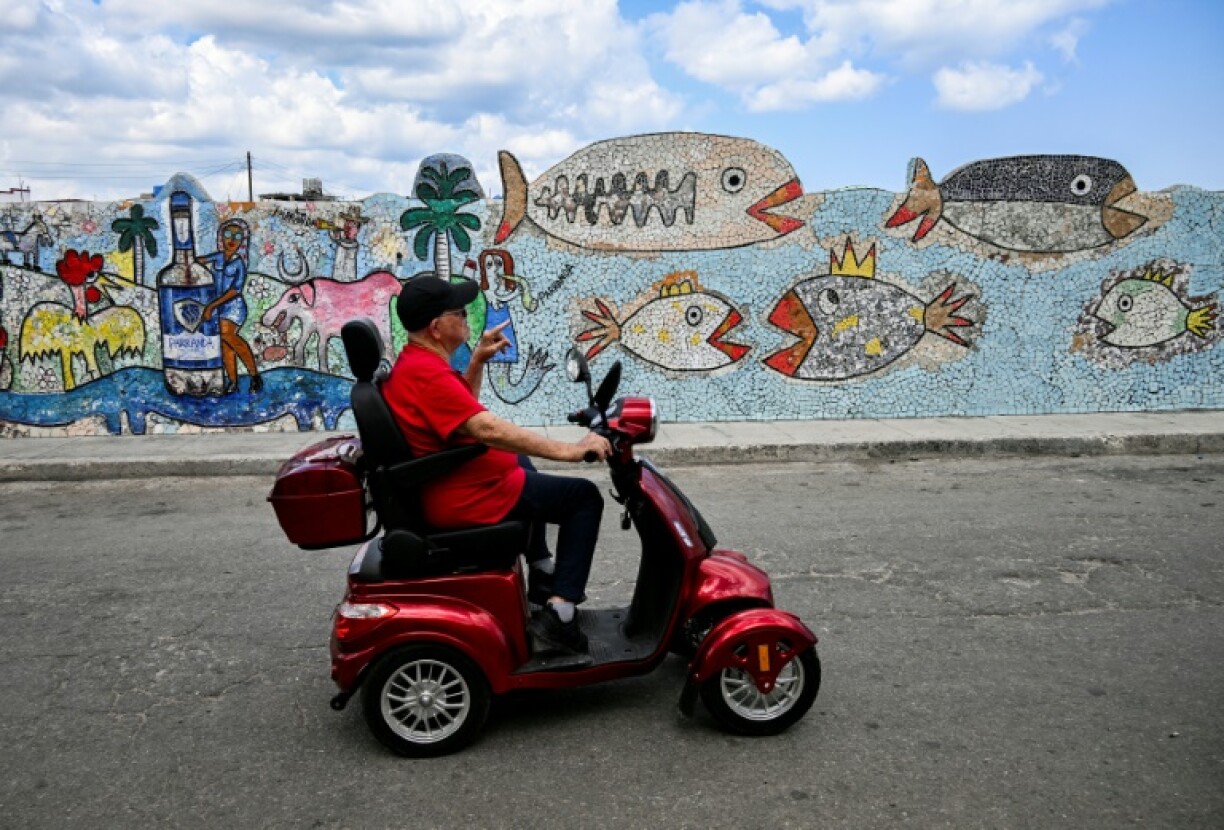
"I had no idea I could create so much. It became a sort of contagion," laughed Fuster, who gets around on an electric mobility scooter.
Fuster is a creator of so-called "naive" art, which entails an almost child-like use of basic shapes and bright colors.
Sometimes dubbed the "Caribbean Picasso" or "Cuban Gaudi," he said he was mainly inspired the giant collection of outdoor works created by Romanian sculptor Constantin Brancusi in his home city of Targu Jiu.
Fuster uses palm trees, roosters and rural people as prototypes for his artwork, interspersed with popular sayings and excerpts of poetry.
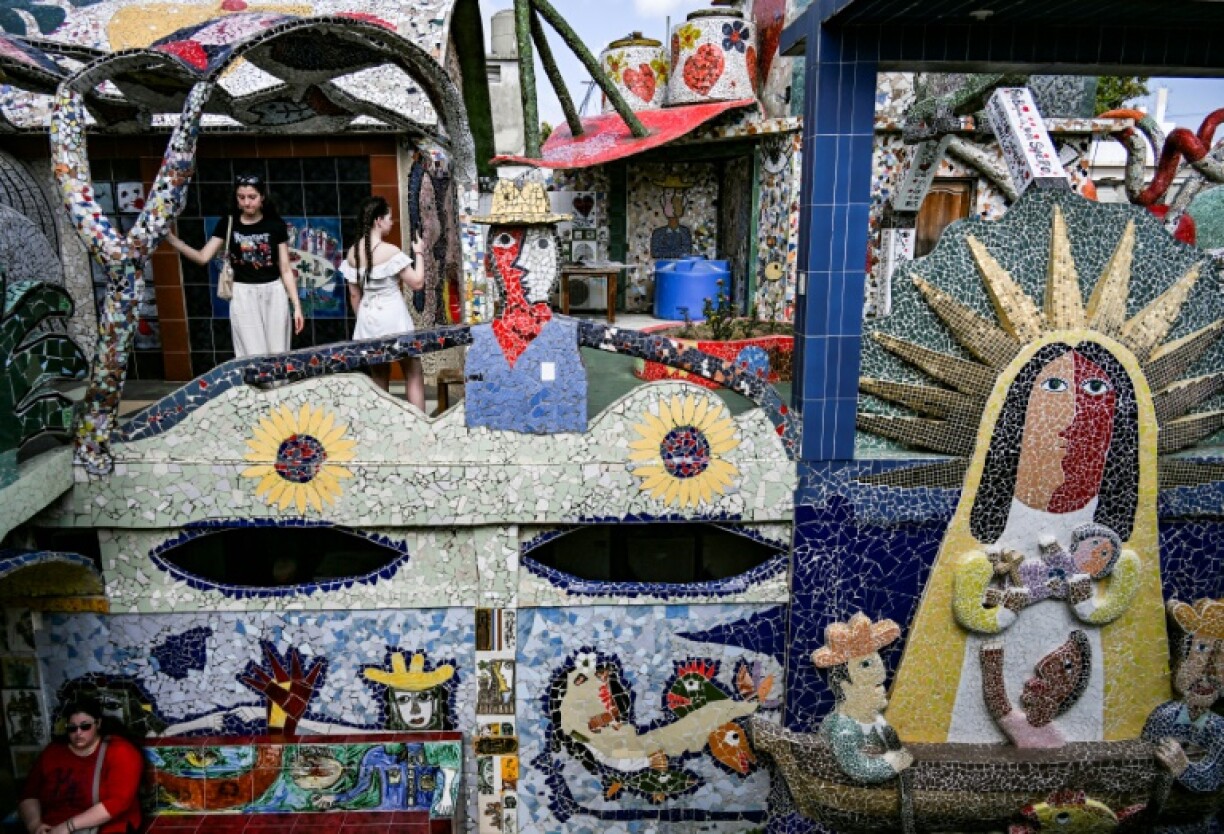
There are many big, red hearts, pink elephants and repeated allusions to the Cuban revolution of 1959.
Jaimanitas "was a small, obscure village, there was no help or anything," said Jorge Gonzalez, a 79-year-old who told AFP he lives in a "work of art."
Fuster, he said, "took charge of this and everything emerged with a lot of joy, a lot of love."
Gonzalez's own house, formerly just a wooden structure, is now cemented and covered in mosaics.
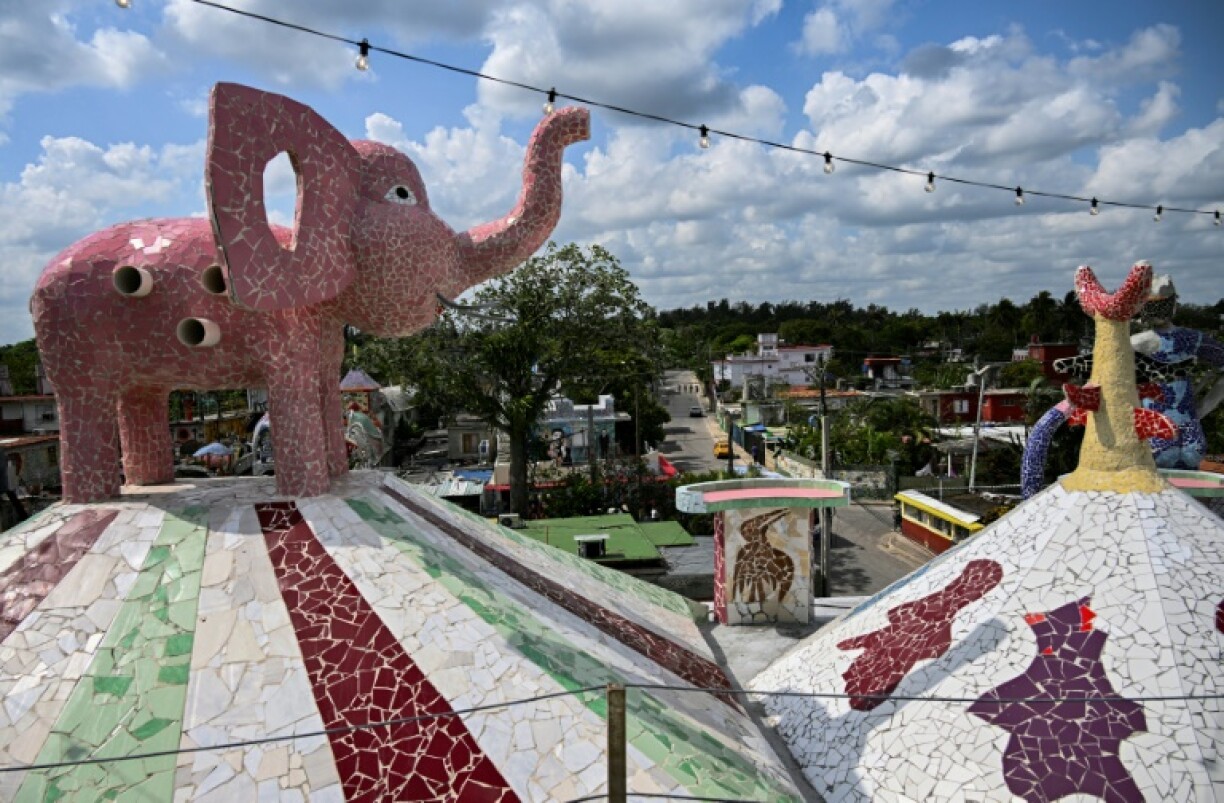
And a few years ago -- during the brief diplomatic detente between the United States and Cuba under former president Barack Obama -- the town was witness to stars such as Madonna and Sean Penn ambling down the streets of "Fusterlandia."
"I didn't spend money on advertising. It happened on its own," said Fuster of the attention the town has drawn.
With his former home now a gallery and museum, he is building, and decorating, a new house for himself closer to the beach.