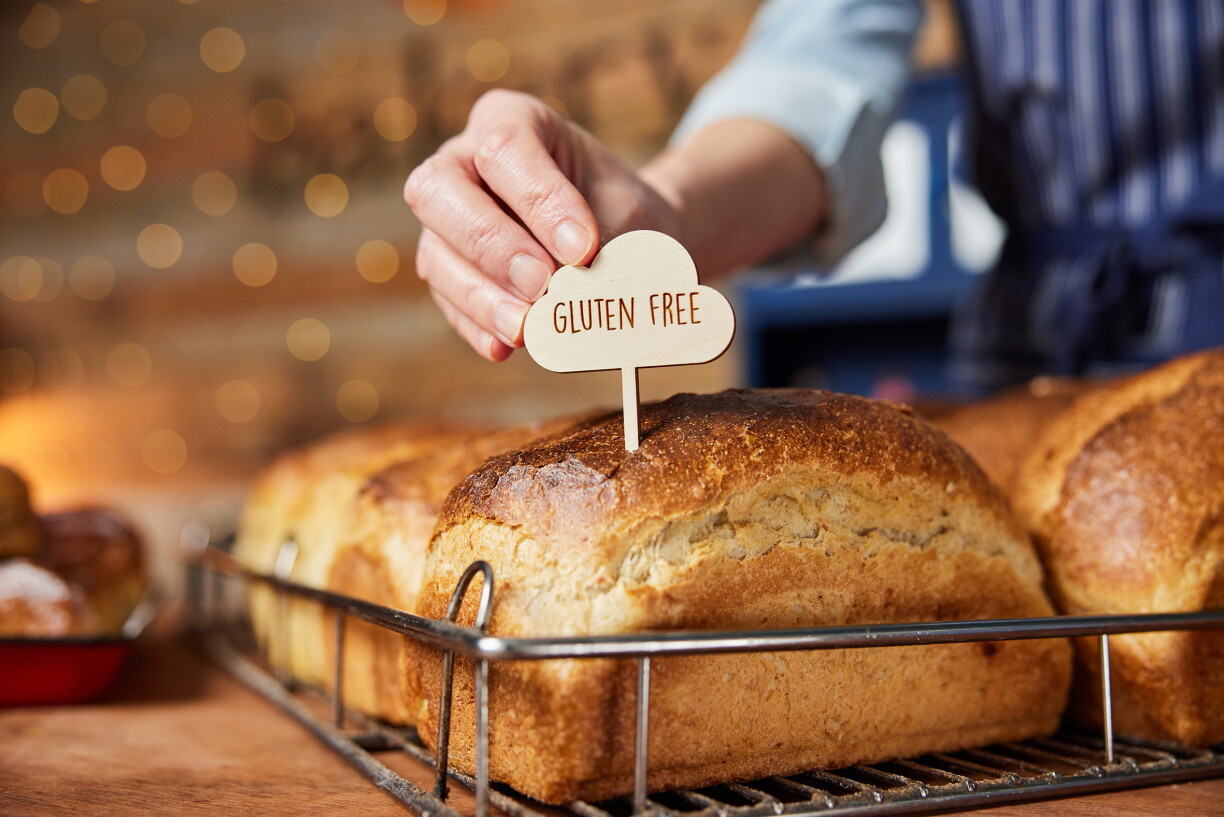
Gluten is a general term for the proteins found in grains such as rye, oats, wheat, barley, and spelt. It plays a crucial role in the preparation of many foods, acting as a binding agent and helping retain water, which makes dough more elastic and less sticky.
Thanks to gluten, bread has its soft, springy texture. Gluten is present in bread, pasta, flour, pizza bases, crispbreads, and even couscous semolina.
While gluten is harmless for most people, a minority do suffer from serious health issues. "There is a disease, it is autoimmune and affects 1% of the population", explains Pauline Piperato, a dietitian-nutritionist based in Esch-Belval.
Coeliac disease mainly affects adults, with a higher prevalence among women. It triggers inflammation of the gut lining and destroys intestinal villi, the structures responsible for absorbing key nutrients such as minerals, vitamins, fats, carbohydrates, and proteins.
For those with coeliac disease, eliminating gluten from the diet is essential. Fortunately, many naturally gluten-free foods exist, including meat, fish, fresh and dried vegetables, fruit, eggs, milk, maize and its derivatives (such as starch, flour, and polenta), rice, potato starch, tapioca, quinoa, soy, and buckwheat – as well as all foods specifically labelled gluten-free.
Some may also experience wheat allergies or sensitivities, which can lead to symptoms like diarrhoea, constipation, or bloating, Piperato said. In such cases, medical advice is recommended to determine the best approach for symptom relief, she noted.
In Luxembourg, the Association for People with Gluten Intolerance (ALIG), established in 1997, supports around 375 members and regularly organises cooking classes for those living with gluten intolerance.

Despite its medical necessity for some, the gluten-free diet has become a trend, especially among athletes and celebrities who claim it makes them feel better and boosts their energy.
However, Piperato warns that cutting out gluten entirely can lead to deficiencies in iron, calcium, and vitamin B9: "Personally, I do not recommend eliminating gluten completely from one's diet. Gluten is not harmful; in fact, it can be beneficial for health."
Instead, she recommends reducing one's intake in the case of digestive issues, stressing that the ever-increasing range of gluten-free replacement products in shops cannot fully replicate the nutritional properties of gluten in the long term.
People sometimes mistake gluten intolerance for irritable bowel syndrome (IBS), as the symptoms can appear similar. IBS, which affects the function of the entire digestive tract from the small intestine to the colon, is not dangerous, but can cause significant discomfort.
"People often confuse the two when experiencing digestive discomfort. It is best to consult a doctor and have tests carried out before adopting a restrictive diet that may prove unnecessary", the nutritionist advises.





